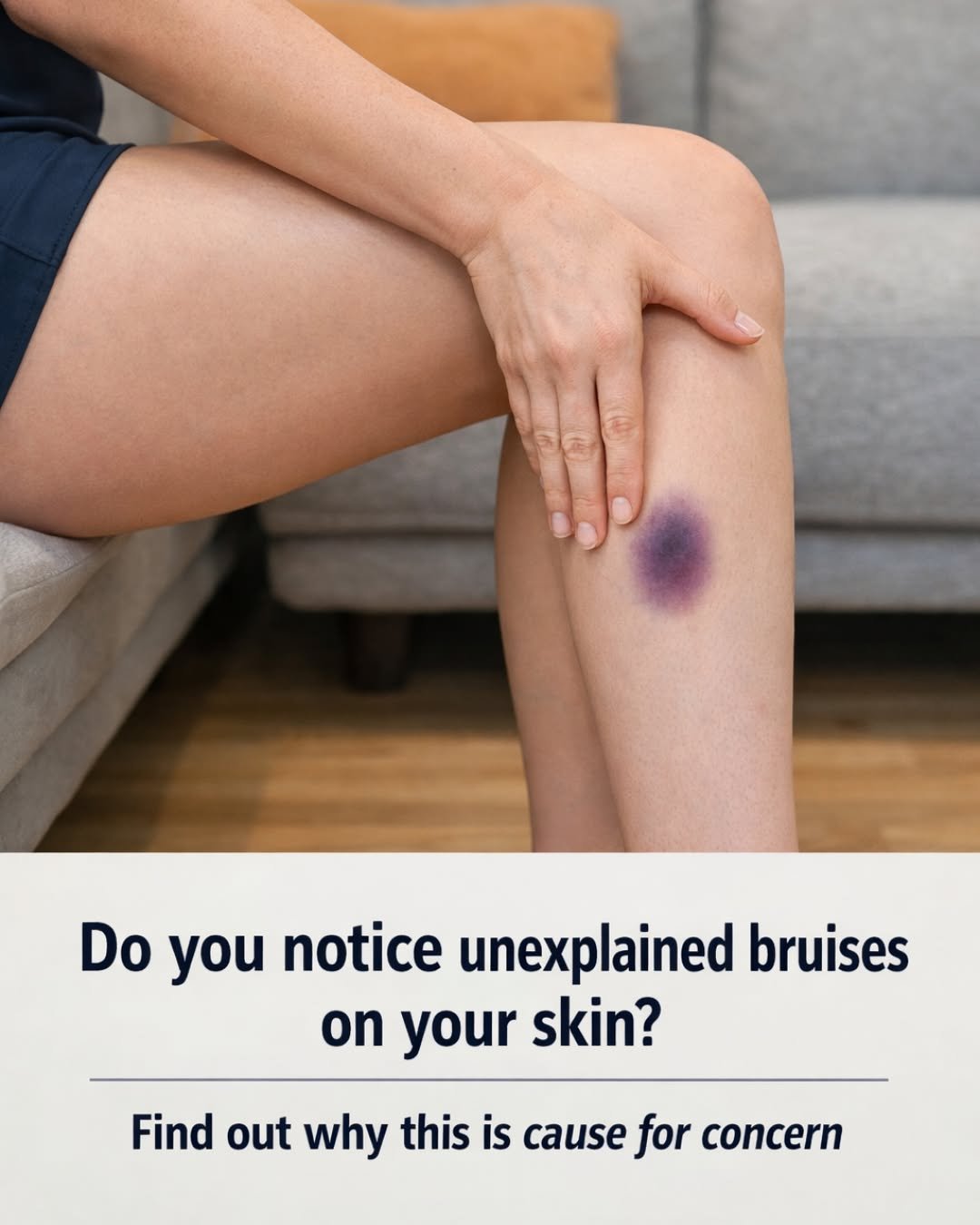
Purple Spots on Skin: Causes, Symptoms, Diagnosis, and When to Seek Medical Treatment
Purple spots on the skin can range from harmless bruises to early warning signs of serious medical conditions. If you notice unexplained purple patches, frequent bruising, or skin discoloration that doesn’t heal, it’s important to understand the possible causes and know when to seek professional medical care.
Early diagnosis can help prevent complications and reduce long-term healthcare costs.
What Are Purple Spots on the Skin?
Purple spots develop when tiny blood vessels beneath the skin break and leak blood into surrounding tissues. Depending on their size, these marks may be classified as purpura, petechiae, or ecchymosis.
Unlike many skin rashes, these spots usually do not turn white when pressed.
Common Causes of Purple Skin Spots
1. Blood Clotting Disorders
Medical conditions that affect blood clotting can cause spontaneous bruising and purple patches. These disorders often require laboratory testing and specialist evaluation.
2. Low Platelet Count (Thrombocytopenia)
Platelets help stop bleeding. A low platelet count may result in easy bruising, bleeding gums, nosebleeds, and unexplained purple spots.
3. Blood-Thinning Medications
Prescription medications such as anticoagulants and antiplatelet drugs may increase the risk of bruising. Never stop these medications without consulting your healthcare provider.
4. Vitamin Deficiencies
Low levels of vitamin C or vitamin K may weaken blood vessels or affect normal blood clotting, increasing the likelihood of bruising.
5. Aging Skin
As skin becomes thinner with age, blood vessels become more fragile, making bruising more common even after minor injuries.
6. Autoimmune and Vascular Diseases
Certain autoimmune conditions and blood vessel disorders can damage small vessels, leading to purpura and skin discoloration.
Symptoms That Require Immediate Medical Attention
Seek emergency medical care if purple spots are accompanied by:
- High fever
- Chest pain
- Shortness of breath
- Severe headache
- Uncontrolled bleeding
- Confusion
- Blood in urine or stool
- Rapidly spreading purple rash
These symptoms may indicate a medical emergency.
Medical Diagnosis
A healthcare provider may recommend:
- Complete Blood Count (CBC)
- Platelet Count
- Blood Clotting Profile
- Liver Function Tests
- Kidney Function Tests
- Autoimmune Screening
- Skin Biopsy (if necessary)
Early diagnostic testing helps identify the underlying cause and guides appropriate treatment.
Treatment Options
Treatment depends on the underlying condition and may include:
- Adjusting medications
- Vitamin supplementation
- Prescription medications
- Treatment for infections
- Referral to a hematologist
- Management of autoimmune diseases
Always follow a licensed healthcare professional’s recommendations.
Can Purple Spots Be Prevented?
You can lower your risk by:
- Eating a balanced diet rich in vitamins.
- Managing chronic medical conditions.
- Taking medications exactly as prescribed.
- Protecting your skin from injury.
- Scheduling regular preventive health checkups.
Final Thoughts
Most purple spots are harmless bruises that heal naturally. However, frequent, unexplained, or rapidly spreading purple spots should never be ignored. Early medical evaluation, accurate diagnosis, and timely treatment can improve outcomes and help identify serious health conditions before complications develop.
Disclaimer: This article is for informational purposes only and does not replace professional medical advice, diagnosis, or treatment. If you experience unexplained bruising, persistent bleeding, or other concerning symptoms, consult a qualified healthcare provider immediately.