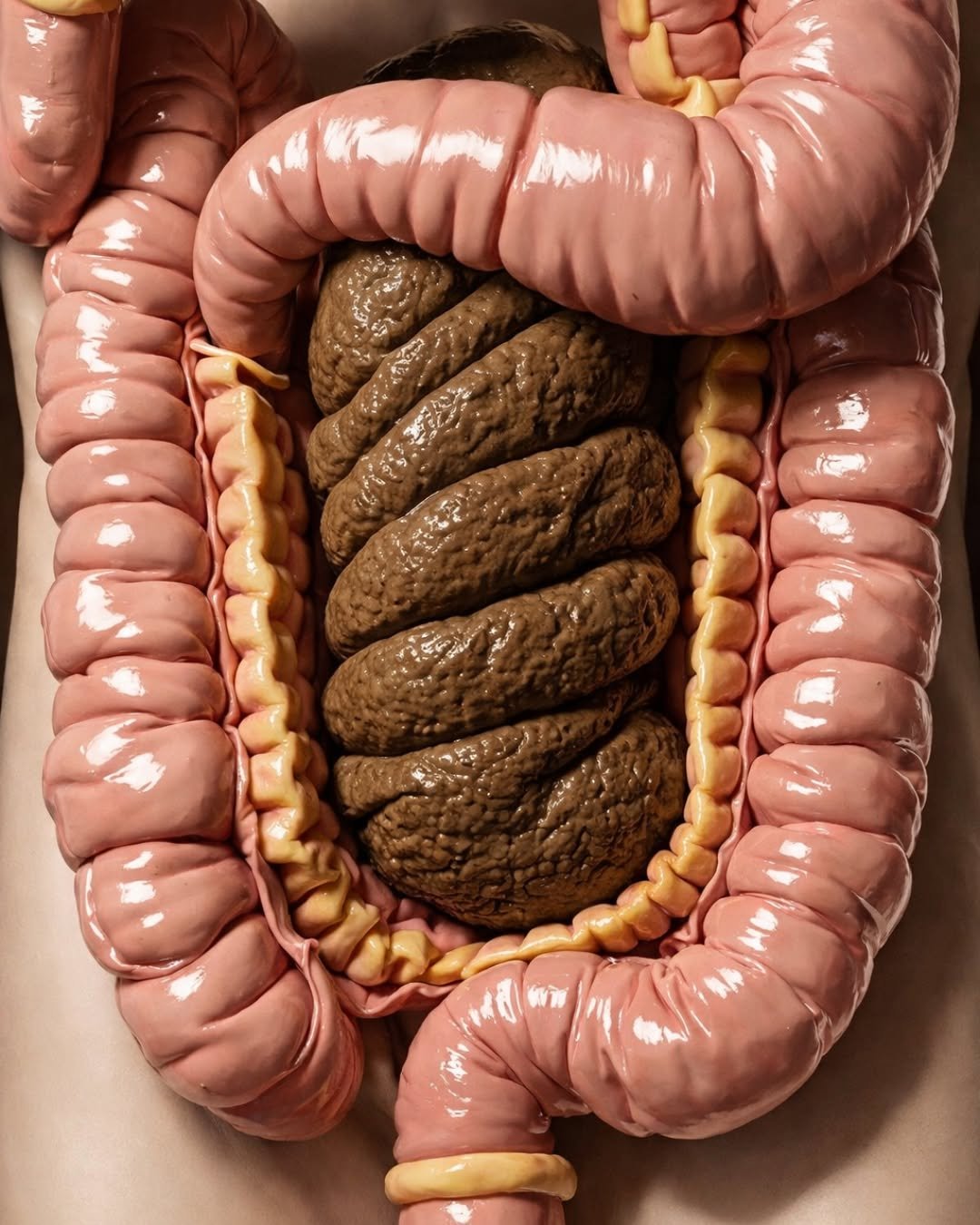
Constipation: Causes, Symptoms, Treatment & Natural Ways to Improve Digestive Health
Constipation is one of the most common digestive disorders, affecting millions of adults worldwide. While many people think it’s simply an inconvenience, persistent constipation can affect your energy, digestive health, and overall quality of life.
The good news is that, in many cases, constipation can be improved through healthy lifestyle changes and proper medical care when necessary.
What Is Constipation?
Constipation is generally defined as having fewer than three bowel movements per week or experiencing stools that are hard, dry, or difficult to pass.
Common symptoms include:
- Infrequent bowel movements
- Hard or lumpy stools
- Straining during bowel movements
- Feeling that the bowel has not emptied completely
- Abdominal bloating or discomfort
- Excessive gas
Occasional constipation is common, but symptoms that persist for several weeks should be evaluated by a healthcare provider.
What Causes Constipation?
Constipation can result from a variety of factors, including:
1. Low-Fiber Diet
Fiber helps soften stool and promotes regular bowel movements. Diets high in processed foods and low in fruits, vegetables, and whole grains are a leading cause of constipation.
2. Dehydration
When the body doesn’t receive enough fluids, the colon absorbs more water from stool, making it harder and more difficult to pass.
3. Physical Inactivity
Regular physical activity stimulates the muscles of the digestive tract. A sedentary lifestyle can slow intestinal movement.
4. Ignoring the Urge to Have a Bowel Movement
Frequently delaying bathroom visits can make constipation worse over time.
5. Certain Medications
Some prescription medications—including opioid pain relievers, iron supplements, antidepressants, and calcium-channel blockers—may contribute to constipation.
6. Medical Conditions
Chronic constipation may be associated with conditions such as:
- Irritable Bowel Syndrome (IBS)
- Hypothyroidism
- Diabetes
- Neurological disorders
- Colon diseases
- Pelvic floor dysfunction
How Constipation Can Affect Your Health
Persistent constipation may contribute to:
- Fatigue and reduced energy
- Abdominal pain and bloating
- Hemorrhoids
- Anal fissures
- Fecal impaction in severe cases
Although constipation does not “stop detoxification,” regular bowel movements are an important part of normal digestive function and waste elimination.
Natural Ways to Relieve Constipation
Increase Your Fiber Intake
Adults should aim for approximately 25–38 grams of fiber daily through foods such as:
- Fruits
- Vegetables
- Beans
- Lentils
- Whole grains
- Chia and flaxseeds
Increase fiber gradually to reduce bloating.
Stay Well Hydrated
Adequate water intake helps soften stool and supports healthy digestion.
Exercise Regularly
Walking, cycling, swimming, and other moderate activities encourage healthy bowel function.
Establish a Bathroom Routine
Try using the bathroom at the same time each day, particularly after meals, when the body’s natural digestive reflex is strongest.
Respond to Natural Urges
Avoid delaying bowel movements whenever possible.
When Should You See a Doctor?
Seek medical advice if constipation:
- Lasts longer than three weeks
- Causes severe abdominal pain
- Is accompanied by blood in the stool
- Results in unexplained weight loss
- Alternates with persistent diarrhea
- Develops suddenly without an obvious cause
Your healthcare provider may recommend diagnostic tests such as blood work, imaging studies, or a colonoscopy to identify the underlying cause.
Medical Treatment Options
Treatment depends on the cause and may include:
- Dietary modifications
- Fiber supplements
- Osmotic or stimulant laxatives (when appropriate)
- Prescription medications for chronic constipation
- Pelvic floor therapy
- Treatment of underlying medical conditions
Avoid long-term use of laxatives unless recommended by a healthcare professional.
Tips for Better Digestive Health
Support healthy digestion by:
- Eating a balanced, fiber-rich diet.
- Drinking plenty of water throughout the day.
- Exercising regularly.
- Managing stress.
- Sleeping 7–9 hours each night.
- Limiting highly processed foods.
Frequently Asked Questions
How often should you have a bowel movement?
Normal bowel habits vary from person to person. Anything from three times a day to three times a week may be considered normal if stools are easy to pass and you feel comfortable.
Can stress cause constipation?
Yes. Stress can affect communication between the brain and digestive system, slowing bowel movements in some people.
Are laxatives safe?
Laxatives can be helpful for short-term relief but should not replace healthy lifestyle habits or medical evaluation when constipation is persistent.
Final Thoughts
Constipation is more than an occasional inconvenience. When left untreated, it can affect comfort, daily activities, and digestive health. Fortunately, most cases improve with a combination of adequate fiber, proper hydration, regular exercise, and healthy bowel habits.
If constipation becomes persistent or is accompanied by concerning symptoms, seek evaluation from a qualified healthcare professional to determine the underlying cause and receive appropriate treatment.
Disclaimer: This article is for informational purposes only and should not replace professional medical advice, diagnosis, or treatment. Always consult your healthcare provider regarding persistent constipation or other digestive concerns.