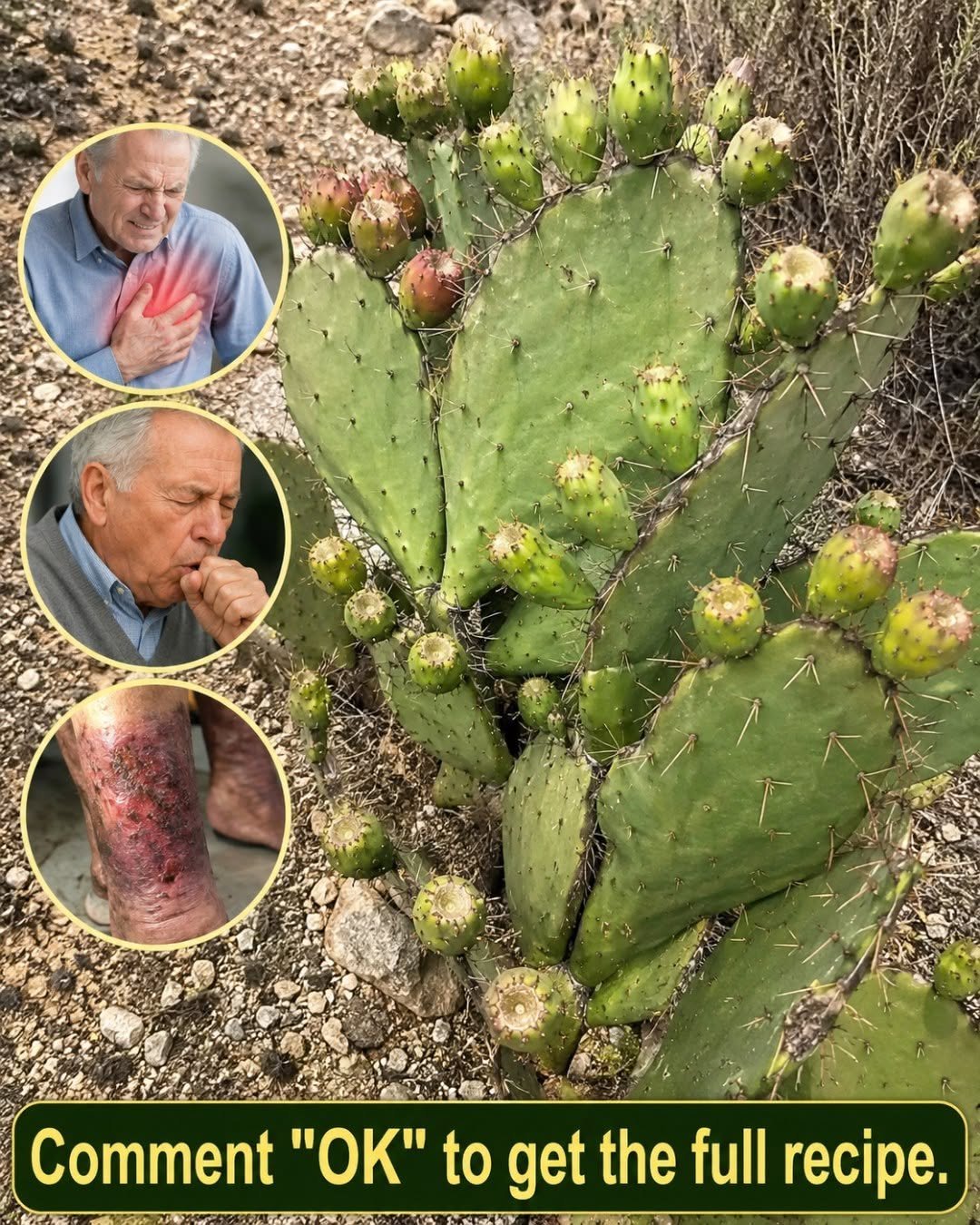
What Prickly Pear Cactus May Do for Your Body: Benefits, Uses, and Precautions
Prickly pear cactus has been used for centuries in traditional medicine and as a nutritious food in many parts of the world. Its colorful fruits and green pads are rich in vitamins, minerals, fiber, and antioxidants that may support overall health.
While prickly pear is not a cure for pain, cough, or skin conditions, research suggests it may offer several health benefits when included as part of a balanced diet.
Rich in Antioxidants
Prickly pear contains vitamin C, betalains, flavonoids, and other antioxidants that help protect cells from damage caused by free radicals. These compounds may help reduce oxidative stress, which is linked to aging and many chronic diseases.
May Help Reduce Inflammation
Some studies suggest that the plant’s natural compounds have anti-inflammatory properties. Reducing inflammation may support joint health, skin health, and overall well-being, although more human research is needed.
Supports Heart Health
The soluble fiber and antioxidants found in prickly pear may help support healthy cholesterol levels and promote good cardiovascular health when combined with a healthy lifestyle.
May Help Maintain Healthy Blood Sugar Levels
The cactus pads are rich in fiber, which can slow the absorption of carbohydrates after meals. Some research suggests prickly pear may help improve blood sugar control in certain people, but it should never replace prescribed diabetes treatment.
Supports Digestive Health
Prickly pear provides both soluble and insoluble fiber, helping promote regular bowel movements and supporting beneficial gut bacteria. A healthy digestive system contributes to overall wellness.
Benefits for Skin
The fruit and seed oil contain vitamins and antioxidants that may help keep skin hydrated and protect it from environmental damage. Some skincare products include prickly pear extract because of its moisturizing properties.
Traditional Uses for Cough and Respiratory Comfort
In traditional medicine, prickly pear has sometimes been used to soothe sore throats and support respiratory comfort. However, there is limited scientific evidence showing that it effectively treats coughs or lung diseases. Persistent cough, chest pain, or difficulty breathing should always be evaluated by a healthcare professional.
Nutritional Value
Prickly pear is naturally low in calories and provides:
- Vitamin C
- Magnesium
- Potassium
- Calcium
- Dietary fiber
- Plant antioxidants
These nutrients support immune function, healthy muscles, bones, and normal body functions.
How to Enjoy Prickly Pear
You can include prickly pear in your diet by:
- Eating fresh fruit after carefully removing the outer skin and tiny spines.
- Adding it to smoothies.
- Mixing it into fruit salads.
- Grilling or sautéing the young cactus pads (known as nopales).
- Using it in juices, jams, or salsas.
Always handle fresh prickly pear carefully, as the tiny spines (glochids) can irritate the skin.
Precautions
Although prickly pear is generally safe as a food, it may not be suitable for everyone. Keep these points in mind:
- It may lower blood sugar, so people with diabetes should monitor their glucose levels and consult their healthcare provider.
- Large amounts may cause digestive discomfort in some people.
- Anyone with food allergies should try it cautiously.
- Chest pain, severe cough, or significant skin inflammation should never be self-treated with home remedies alone. These symptoms may require prompt medical evaluation.
Final Thoughts
Prickly pear cactus is a nutritious plant that offers fiber, antioxidants, vitamins, and minerals that can support overall health. While it may contribute to a healthy diet and help reduce inflammation, it is not a substitute for medical treatment of serious symptoms such as chest pain, persistent cough, or severe skin conditions.
Disclaimer: This article is for educational purposes only and should not be considered medical advice. If you experience persistent chest pain, breathing difficulties, severe skin changes, or any concerning symptoms, seek evaluation from a qualified healthcare professional.