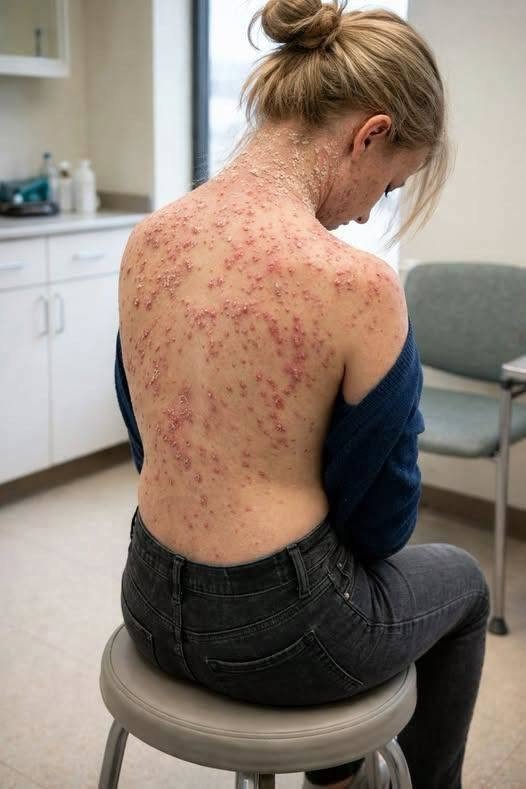
The Hidden Dangers of Household Insect Infestations: Why a Clean Home Matters
Your home should be a place where you feel safe, comfortable, and relaxed. However, small everyday habits—such as leaving food crumbs behind, ignoring moisture, or delaying routine cleaning—can sometimes attract unwanted pests. While most household insects are more of a nuisance than a serious threat, some can trigger allergic reactions, contaminate food, or create unhealthy living conditions.
Understanding how infestations develop and how to prevent them can help keep your home healthier and safer.
How Insect Infestations Begin
Most household pests don’t appear overnight. They are usually attracted by three things:
- Food crumbs and spills
- Standing water or excess moisture
- Warm, undisturbed hiding places
Common household pests include:
- Cockroaches
- Ants
- Bed bugs
- Mosquitoes
- Flies
- Fleas
Once these insects find a reliable food source and shelter, they can multiply quickly if left unchecked.
Possible Health Risks
Although many insects are harmless, some can affect your health in different ways.
Allergic Reactions
Some people develop allergic reactions to insect bites or exposure to insect droppings. Symptoms may include:
- Itching
- Redness
- Swelling
- Skin rashes
In rare cases, severe allergic reactions (anaphylaxis) can occur after insect stings or bites and require immediate emergency medical care.
Food Contamination
Cockroaches and flies can spread bacteria by contaminating food preparation surfaces and stored foods.
Proper food storage and kitchen hygiene help reduce this risk.
Sleep Disruption
Bed bugs feed on blood during the night, leaving itchy bite marks that can disturb sleep and cause stress or anxiety.
Asthma Triggers
Cockroach allergens have been linked to worsening asthma symptoms, particularly in children.
Common Signs of an Infestation
Watch for these warning signs:
- Droppings around cupboards or corners
- Unusual odors
- Bite marks after sleeping
- Live insects, especially at night
- Egg casings or shed insect skins
- Damage to food packaging
Early detection makes infestations much easier to control.
How to Prevent Household Pests
Simple daily habits can make a big difference.
Keep Your Home Clean
- Wipe kitchen counters after meals.
- Sweep or vacuum regularly.
- Remove food crumbs promptly.
- Wash dirty dishes soon after eating.
Store Food Properly
Keep food in sealed containers and avoid leaving pet food or fruit uncovered overnight.
Eliminate Moisture
Repair leaking faucets and pipes, dry damp areas, and improve ventilation in bathrooms and kitchens.
Seal Entry Points
Close cracks around windows, doors, and plumbing where insects may enter.
Take Out Trash Regularly
Use bins with tight-fitting lids and empty them frequently.
If You Discover an Infestation
If you notice a growing insect problem:
- Identify the type of pest.
- Clean affected areas thoroughly.
- Wash bedding or clothing if needed.
- Consider contacting a licensed pest-control professional for persistent infestations.
- Follow product safety instructions carefully if using insecticides.
When to Seek Medical Care
Most insect bites improve on their own, but you should seek medical attention if you experience:
- Difficulty breathing
- Swelling of the lips, face, or throat
- High fever after a bite
- Severe pain or rapidly spreading redness
- Signs of infection such as pus or increasing warmth
- Persistent allergic reactions
These symptoms may indicate a serious reaction that requires prompt medical evaluation.
Final Thoughts
Keeping your home clean isn’t just about appearance—it also helps reduce the likelihood of unwanted pests and supports a healthier living environment. Small habits, such as cleaning food spills, sealing entry points, and reducing moisture, can go a long way toward preventing infestations.
Most household insects do not cause serious illness, but staying alert to early signs of a problem and addressing them promptly can help protect both your home and your health.
Medical Disclaimer: This article is for educational purposes only and should not replace professional medical advice. If you experience severe symptoms after an insect bite or believe you have a significant pest infestation affecting your health, consult a qualified healthcare professional or licensed pest-control expert.