Red Onions, Olive Oil, and Tomatoes: How Everyday Culinary Staples Support Long-Term Eye Health
Late in the afternoon, after hours staring at digital displays or working under harsh indoor lighting, many people notice their vision feels fatigued. Text seems slightly harder to decipher, eyes feel dry or gritty, and bright glare outdoors feels more piercing than usual.
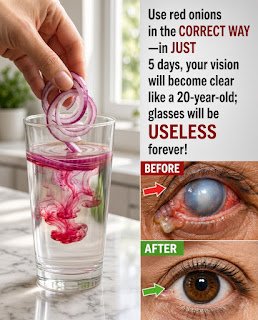
Recently, viral health trends have claimed that simple kitchen vegetables—specifically red onions—can act as an instant “cure” for blurred vision or replace reading glasses.
While extravagant promises of instant sight restoration are medically unfounded, red onions and complementary Mediterranean staples contain potent bioactive compounds. When prepared thoughtfully, they provide cellular defense against oxidative stress and support everyday ocular endurance.
The Biological Reality: Why Delicate Eye Tissues Experience Fatigue
Your eyes are among the most metabolically active organs in the entire body. Throughout the day, the retina, macula, and crystalline lens are constantly exposed to:
High Oxygen Flux: Rapid metabolic reactions produce reactive oxygen species (free radicals).
High-Energy Visible (HEV) Light: Sunlight and screen backlighting create continuous oxidative strain.
Microvascular Stress: Fine capillaries that nourish ocular tissues require steady circulation and endothelial protection.
No single vegetable can reverse refractive errors (like myopia, astigmatism, or age-related presbyopia) or resolve structural cataracts. However, long-term nutrition plays a verified role in defending these delicate tissues against daily cumulative stress.
What Red Onions Actually Provide
Red onions (Allium cepa) are nutritional powerhouses rather than mystical cures. Their benefits stem from three key micronutrients:
1. Quercetin (A Bioflavonoid Powerhouse)
The outer purple layers of red onions contain rich concentrations of quercetin. As a potent flavonoid, quercetin helps scavenge free radicals and modulates inflammatory pathways, protecting lens epithelial cells from oxidative wear.
2. Organosulfur Compounds
The sharp scent and pungency of cut onions come from volatile sulfur compounds. Sulfur is an essential precursor for the synthesis of glutathione—one of the body’s primary internal antioxidants, which is heavily concentrated in healthy ocular lens tissue.
3. Vitamin C & Trace Minerals
Vitamin C works synergistically with bioflavonoids to maintain collagen structure within capillaries and ocular tissues.
Why the “Mediterranean Salad” Delivery System Matters
Consuming raw red onions in isolation often leads to digestive discomfort, and water-soluble nutrients can be limited without proper culinary synergy. Combining red onions with extra virgin olive oil and ripe tomatoes creates a functional dietary matrix:
    [ Red Onion ]                  [ Ripe Tomatoes ]             [ Extra Virgin Olive Oil ]
 Quercetin & Sulfur             Lycopene & Beta-Carotene             Healthy Monounsaturated Fats
         │                                │                                │
         └────────────────────────┬───────┴────────────────────────────────┘
                                  │
                                  ▼
                Enhanced Bioavailability & Cellular Defense
Lycopene from Tomatoes: Tomatoes supply carotenoids that shield cellular membranes from lipid peroxidation.
Lipid Carrier (Olive Oil): Many visual protective nutrients (carotenoids and fat-soluble compounds) require dietary fats for optimal absorption across the intestinal wall. Extra virgin olive oil provides monounsaturated fatty acids that transport these nutrients effectively into the bloodstream.
A Simple, Nutrient-Preserving Kitchen Preparation
To maximize bioactivity without overwhelming your digestion, prepare a fresh, crisp salad using minimal processing:
Ingredients:
1/4 medium red onion, thinly sliced
1 firm ripe tomato, diced
1 tablespoon extra virgin olive oil (cold-pressed)
A small squeeze of fresh lemon juice or apple cider vinegar
A pinch of black pepper and sea salt
Preparation Steps:
Slice and Breathe: Thinly slice the onion and let it rest on the cutting board for 3 to 5 minutes to allow beneficial sulfur enzymes to stabilize.
Combine Fresh: Toss the sliced onion with diced tomatoes in a clean salad bowl.
Dress Lightly: Drizzle with extra virgin olive oil and a dash of lemon juice immediately before serving.
Consume Fresh: Avoid letting the salad sit in dressing for hours, which causes the vegetables to wilt and oxidizes fresh flavonoids.
Crucial Safety Precaution: Never, under any circumstances, place raw onion juice, extracts, or botanical pastes directly into your eyes. Raw onion oils cause severe ocular surface irritation, chemical burns to the cornea, and potential bacterial infection. All benefits are derived strictly through dietary consumption.
Practical Habits for Daily Visual Comfort
Nutrition forms just one pillar of visual endurance. To reduce digital eye strain and maintain clarity throughout the workday:
Practice the 20-20-20 Habit: Every 20 minutes, shift your gaze to an object at least 20 feet away for 20 seconds to relax the ciliary focusing muscles.
Optimize Ambient Lighting: Reduce screen glare and match your screen brightness to the ambient light in your room.
Prioritize Hydration: Systemic dehydration quickly manifests as dry, irritated tear films that cause temporary visual blur.
When to Seek Professional Eye Care
While mild visual fatigue after prolonged screen time is common, sudden or progressive vision changes demand clinical attention:
Sudden loss of vision, partial blurriness, or blind spots
Persistent dark spots (floaters) accompanied by flashes of light
Eye pain, severe redness, or discharge
Difficulty seeing at night or progressive cloudiness that interferes with driving
Nutritious foods protect long-term cellular health, but comprehensive eye exams by an optometrist or ophthalmologist are essential for diagnosing and treating underlying optical conditions.
Disclaimer: This article is for educational and informational purposes only and does not constitute medical advice, diagnosis, or treatment. Never apply food products or unverified solutions directly to your eyes. Always consult a qualified eye care professional for persistent changes in vision or underlying ocular concerns.