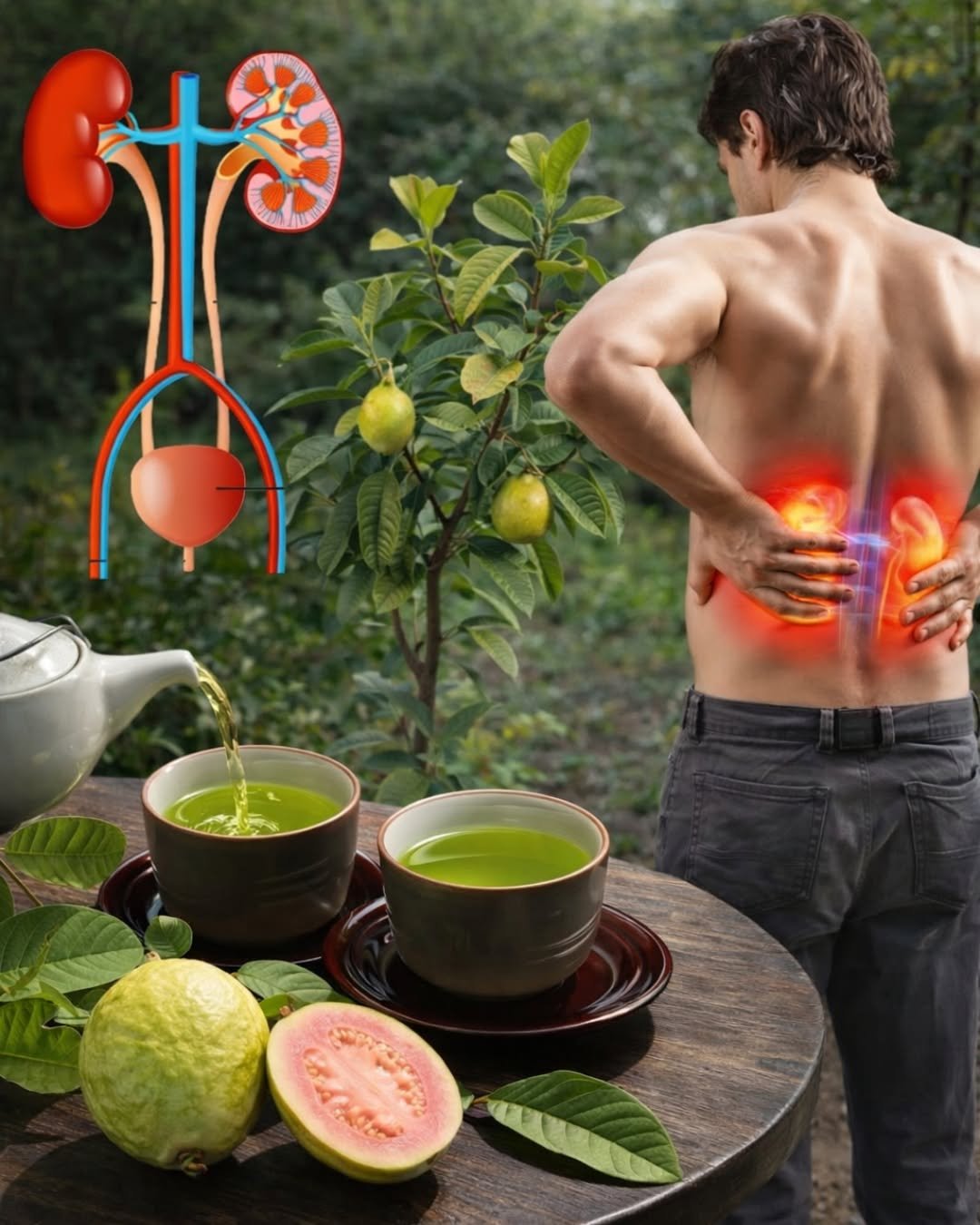
Guava Leaf Tea for Kidney and Urinary Wellness: Traditional Uses and What Science Says
What Is Guava Leaf Tea?
Guava leaf tea is an herbal beverage made from the leaves of the guava tree (Psidium guajava). While guava fruit is well known for its vitamin C content, the leaves have been used for centuries in traditional medicine across Asia, Latin America, and parts of Africa.
Today, many people enjoy guava leaf tea as a mild herbal drink. Researchers continue to study its plant compounds, but there is currently limited clinical evidence that it improves kidney function or treats urinary tract conditions.
Natural Compounds Found in Guava Leaves
Guava leaves contain several naturally occurring compounds, including:
- Flavonoids
- Polyphenols
- Tannins
- Quercetin
- Various antioxidants
Laboratory studies suggest these compounds have antioxidant and anti-inflammatory properties, although much of the research has been conducted in test tubes or animal models.
Traditional Uses of Guava Leaf Tea
In traditional herbal practices, guava leaf tea has been used to support:
- General wellness
- Digestive comfort
- Urinary comfort
- Hydration
- Everyday herbal routines
These traditional uses are based on historical practice and should not be considered proven medical treatments.
Can Guava Leaf Tea Support Kidney Health?
Healthy kidneys naturally filter waste products and regulate fluid balance.
At present:
- There is no strong clinical evidence that guava leaf tea detoxifies the kidneys.
- No studies have shown it can prevent or treat kidney disease.
- Drinking unsweetened herbal tea may contribute to daily fluid intake, which supports normal kidney function in healthy individuals.
People with chronic kidney disease should always consult their healthcare provider before regularly consuming herbal products.
What About Urinary Health?
Some laboratory research suggests guava leaf extracts have antimicrobial activity against certain microorganisms.
However:
- This does not prove that guava leaf tea can prevent or treat urinary tract infections (UTIs).
- Symptoms such as painful urination, fever, blood in the urine, or persistent urinary discomfort require medical evaluation.
Herbal teas should never replace appropriate medical treatment for urinary infections.
How to Prepare Guava Leaf Tea
Ingredients
- 5–7 fresh guava leaves or 1–2 teaspoons dried leaves
- 2–3 cups of water
Directions
- Rinse fresh leaves thoroughly.
- Bring water to a gentle boil.
- Add the leaves.
- Simmer for about 10–15 minutes.
- Strain before drinking.
- Serve warm.
If the tea tastes overly bitter, dilute it with additional warm water.
Tips for Enjoying Guava Leaf Tea
Many people enjoy guava leaf tea:
- In the morning
- After meals
- As an evening herbal beverage
It can be consumed plain or flavored with:
- Lemon
- Cinnamon
- A small amount of honey (if appropriate for your dietary needs)
Safety Considerations
Guava leaf tea is generally consumed in moderate amounts as a traditional herbal beverage, but keep these precautions in mind:
- Avoid excessive intake.
- Stop using it if you experience an allergic reaction.
- Consult your healthcare provider before regular use if you are pregnant, breastfeeding, have kidney disease, or take prescription medications.
- Herbal teas should complement—not replace—medical care.
Frequently Asked Questions
Is guava leaf tea good for the kidneys?
There is currently insufficient evidence to show that guava leaf tea improves kidney function or treats kidney disease. Staying well hydrated and following medical advice remain the most effective ways to support kidney health.
Can guava leaf tea treat urinary tract infections?
No. While laboratory studies suggest antimicrobial properties, guava leaf tea has not been proven to treat UTIs. Medical evaluation is important if you have urinary symptoms.
How often can I drink guava leaf tea?
Many people enjoy it occasionally as part of a balanced diet. If you plan to drink it regularly, especially if you have a medical condition, consult your healthcare provider.
Final Thoughts
Guava leaf tea has a long history of traditional use and contains antioxidants and other plant compounds that continue to interest researchers. While it can be a pleasant herbal beverage, current scientific evidence does not support claims that it detoxifies the kidneys, cures urinary problems, or replaces medical treatment.
For long-term kidney and urinary health, focus on:
- Drinking enough water
- Eating a balanced diet
- Managing blood pressure and blood sugar
- Avoiding tobacco
- Exercising regularly
- Seeking prompt medical care for urinary or kidney symptoms
As with many herbal teas, guava leaf tea may be enjoyed as part of a healthy lifestyle—but it should be viewed as a complementary beverage rather than a medical remedy.