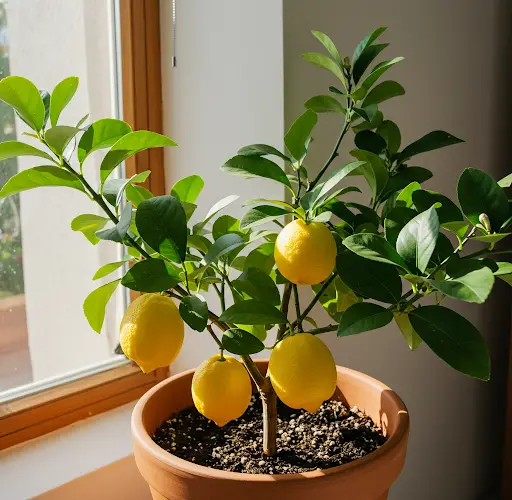
Recycle Tires into Lemon Planters: Surprised by the Abundance of Fruit
If you’re looking for a sustainable and creative way to grow your own citrus fruit at home, using recycled tires as planters is an ingenious solution. Not only does this method provide a practical way to repurpose old tires, but it also helps maximize space in urban gardens, balconies, and small yards. By turning discarded tires into lemon planters, you can grow healthy lemon trees that produce an abundance of fruit, even in limited space.
Growing lemon trees in tires is an eco-friendly approach to gardening that produces impressive results. In this article, we’ll walk you through how to set up tire planters for lemons, how to care for your tree, and why this method works so well.
Why Use Tires for Growing Lemons?
Using old tires as planters is an effective way to create a mini garden that is both functional and visually interesting. Here are a few reasons why recycling tires into lemon planters makes sense:
Space Efficiency: Tires allow you to stack or arrange planters vertically, saving valuable ground space. This is especially useful if you live in a small urban area or a place where garden space is limited.
Good Drainage: Tires have natural drainage holes when placed properly, which helps avoid waterlogging and root rot—both of which can harm lemon trees.
Insulation: Tires help regulate temperature by protecting plant roots from extreme heat or cold, keeping the soil temperature stable for optimal growth.
Sustainability: Recycling tires reduces waste and gives a second life to materials that would otherwise take up space in landfills.
What You’ll Need
To turn tires into perfect lemon planters, you’ll need the following materials:
Used tires (one per tree)
Potting soil (well-draining, light mix)
Lemon tree seedlings or saplings (dwarf varieties work well)
Compost (for added nutrients)
Organic fertilizer (to boost growth)
Gravel or small rocks (for drainage at the bottom)
Shovel, gloves, and garden shears
Step 1: Prepare the Tires
Start by preparing the tires. Choose tires that are clean and free of debris. You can stack multiple tires to create a taller planter for your tree or use a single tire if you’re working with a smaller variety.
If using multiple tires, make sure each tire fits securely into the one below it. Stacking tires can help create more space for the roots of the lemon tree.
Drill a few drainage holes in the bottom of the tire if they don’t already exist. This ensures that excess water can escape, preventing root rot.
Step 2: Layer the Bottom with Gravel
Before filling the tire with soil, add a layer of gravel or small rocks to the bottom. This layer improves drainage, preventing water from collecting at the roots. It also helps aerate the soil, which is essential for healthy root growth.
Step 3: Add Soil and Compost
Next, fill the tire with a well-draining potting mix. You can create your own mix by combining:
50% quality potting soil or compost
25% perlite or sand (for good drainage)
25% organic matter like composted leaves or aged manure
Mix these ingredients well before adding them to the tire. The soil should be light, rich in nutrients, and free from large clumps.
Step 4: Plant the Lemon Tree
Now, it’s time to plant your lemon tree. Choose a dwarf lemon variety, such as ‘Improved Meyer’ or ‘Ponderosa’, as these are better suited for container growth. These varieties have smaller root systems and are more manageable for small space gardening.
Dig a hole in the center of the tire just large enough for the root ball of your sapling.
Place the tree gently into the hole, making sure the root collar (where the roots meet the stem) is level with the soil surface.
Fill in the remaining space with soil and gently press down to eliminate air pockets.
Step 5: Water and Mulch
Water the newly planted tree thoroughly. After planting, apply a layer of organic mulch, such as wood chips, straw, or shredded leaves, around the base of the tree. This will help retain moisture, keep the roots cool, and reduce weed growth.
Make sure to water regularly, especially during dry spells, but allow the soil to dry out slightly between waterings to avoid waterlogging. Lemon trees prefer slightly dry conditions between watering.
Step 6: Care for Your Lemon Tree
Caring for your lemon tree in a tire planter is fairly straightforward, but here are some essential tips:
Fertilize regularly: Lemon trees are heavy feeders, so use an organic, slow-release fertilizer or compost every few months to provide essential nutrients. A balanced fertilizer rich in potassium will encourage fruit production.
Prune when necessary: Keep the tree shape tidy and remove any dead or diseased branches. Pruning also encourages new growth and helps maintain airflow.
Sunlight: Lemon trees need at least 8 hours of direct sunlight per day to thrive and produce fruit. Place your tire planters in a sunny spot, such as a rooftop, balcony, or a sunny corner of your yard.
Step 7: Harvest the Fruit
In about 12 to 18 months, your lemon tree should begin producing fruit. The first signs of fruit are small, green lemons that will gradually turn yellow as they ripen. The size of the fruit will depend on the size of your tire planter, but even with a smaller container, you can expect a decent harvest.
Final Thoughts
Using recycled tires as lemon planters is a creative and eco-friendly way to grow your own fruit at home. Not only does this method reduce waste, but it also offers the perfect environment for healthy, productive lemon trees. With proper care, these trees will not only enhance your garden but also provide you with an abundance of fresh lemons for your kitchen.
By following the steps outlined above, you’ll be able to enjoy the sweet, tangy fruit from your own backyard—or balcony—in no time.