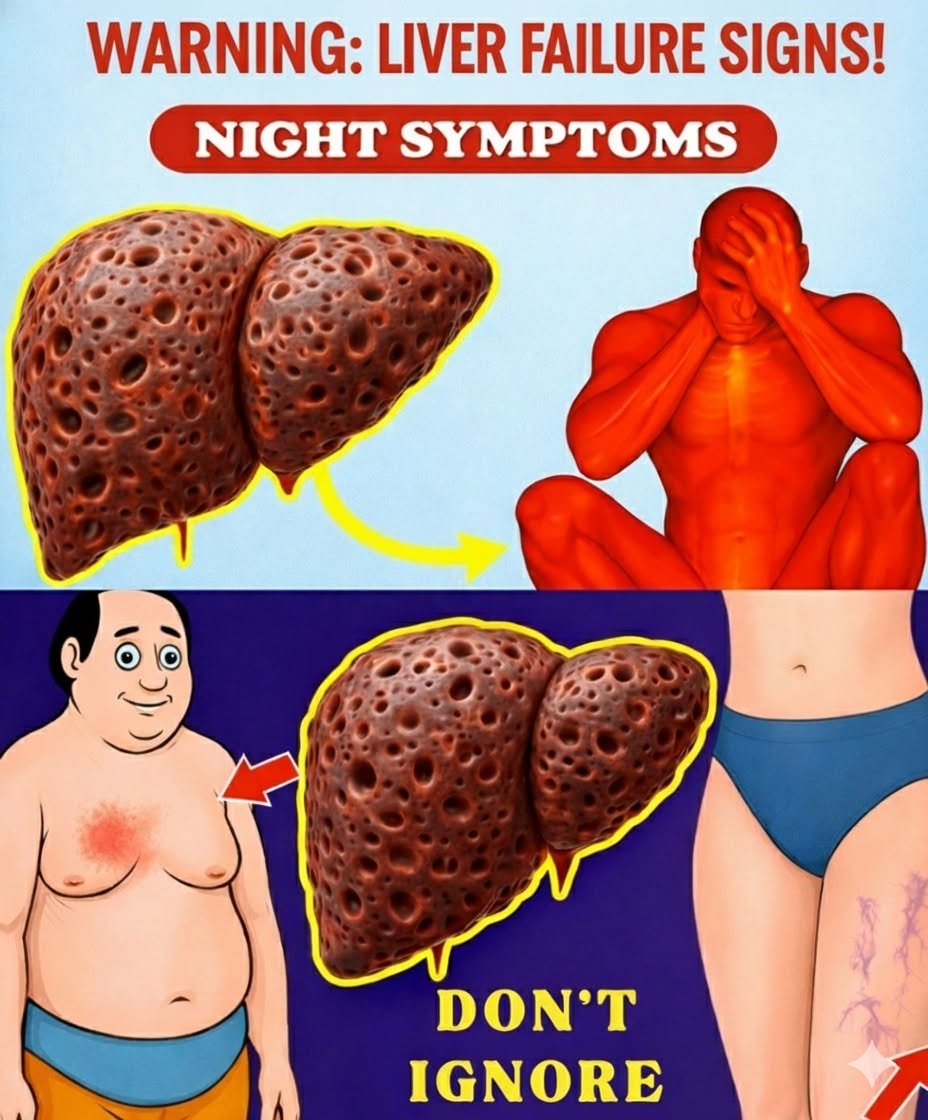
17 Early Warning Signs That May Indicate Liver Problems: What You Should Know
The liver is one of the hardest-working organs in the human body. It performs more than 500 essential functions, including filtering harmful substances from the blood, producing bile for digestion, storing nutrients, and helping regulate metabolism.
Many liver conditions, including fatty liver disease, hepatitis, and cirrhosis, may develop slowly without obvious symptoms. However, some people notice subtle changes that may signal reduced liver function. While these symptoms do not necessarily mean you have liver disease, persistent or worsening signs should be evaluated by a healthcare professional.
Why Liver Health Is Important
A healthy liver supports digestion, energy production, hormone balance, and detoxification. Factors such as obesity, diabetes, excessive alcohol consumption, viral hepatitis, and certain medications can increase the risk of liver disease.
Early diagnosis often leads to better treatment outcomes, making regular medical checkups and liver function tests important for people at higher risk.
17 Possible Warning Signs of Liver Problems
1. Persistent Fatigue
Feeling unusually tired for several weeks despite getting enough sleep may have many causes, including liver disease, anemia, thyroid disorders, or sleep problems.
2. Yellowing of the Skin or Eyes
Known as jaundice, this occurs when bilirubin builds up in the body. It requires prompt medical evaluation.
3. Dark-Colored Urine
Dark urine that is not explained by dehydration may indicate increased bilirubin levels.
4. Pale or Clay-Colored Stools
A lack of bile reaching the intestines can cause unusually light-colored stools.
5. Swelling in the Abdomen
Fluid accumulation in the abdomen (ascites) can occur in advanced liver disease and requires immediate medical attention.
6. Swelling in the Legs or Ankles
Reduced liver function may contribute to fluid retention in the lower limbs.
7. Persistent Itchy Skin
Generalized itching without an obvious rash can sometimes be associated with liver disorders affecting bile flow.
8. Easy Bruising or Bleeding
The liver produces proteins needed for blood clotting. Liver disease may reduce their production.
9. Loss of Appetite
A persistent decrease in appetite should be discussed with a healthcare provider.
10. Nausea or Vomiting
Ongoing digestive discomfort can have many causes, including liver and gallbladder conditions.
11. Pain in the Upper Right Abdomen
Pain or discomfort beneath the right rib cage may indicate liver or gallbladder problems.
12. Unexplained Weight Loss
Unexpected weight loss without changes in diet or exercise should always be medically evaluated.
13. Brain Fog or Difficulty Concentrating
In advanced liver disease, toxins normally removed by the liver may affect brain function.
14. Red Spider-Like Blood Vessels
Spider angiomas are small visible blood vessels that may occur in chronic liver disease but also appear in healthy individuals.
15. Frequent Digestive Problems
Persistent bloating, indigestion, or intolerance to fatty foods may warrant further evaluation.
16. Muscle Weakness
Chronic liver disease may contribute to muscle loss and reduced strength over time.
17. Persistent Skin Changes
Easy bruising, yellowing, or other unexplained skin changes should not be ignored.
Who Is at Higher Risk?
Your risk of liver disease may be higher if you:
- Have obesity or overweight
- Have type 2 diabetes
- Drink excessive alcohol
- Have viral hepatitis
- Have high cholesterol
- Take certain medications long-term
- Have a family history of liver disease
How Doctors Check Liver Health
If liver disease is suspected, your doctor may recommend:
- Liver Function Tests (LFTs)
- Complete Blood Count (CBC)
- Hepatitis screening
- Ultrasound or FibroScan
- CT scan or MRI (when necessary)
- Liver biopsy in selected cases
Early testing can help identify problems before serious complications develop.
Evidence-Based Ways to Support Liver Health
Although there is no scientific evidence that “detox” drinks cleanse the liver, several healthy lifestyle habits can help support normal liver function:
- Maintain a healthy weight.
- Eat plenty of fruits, vegetables, whole grains, and lean protein.
- Limit alcohol consumption.
- Exercise for at least 150 minutes each week.
- Avoid smoking.
- Take medications only as directed.
- Get vaccinated against hepatitis A and B if recommended.
- Manage diabetes, blood pressure, and cholesterol.
When Should You See a Doctor?
Schedule a medical evaluation if you experience:
- Yellow skin or eyes
- Severe abdominal swelling
- Persistent fatigue lasting several weeks
- Dark urine or pale stools
- Unexplained weight loss
- Ongoing abdominal pain
- Swelling in the legs or ankles
Early diagnosis often allows more treatment options and better long-term outcomes.
Final Thoughts
The liver plays a vital role in keeping your body healthy, yet many liver diseases develop quietly. Paying attention to persistent symptoms and attending regular health screenings can help detect problems early.
Remember, these signs do not automatically mean you have liver disease. Only a qualified healthcare professional can make an accurate diagnosis through proper examination and testing.
Medical Disclaimer: This article is for educational purposes only and should not replace professional medical advice, diagnosis, or treatment. If you have concerning symptoms, consult your doctor or another qualified healthcare provider.