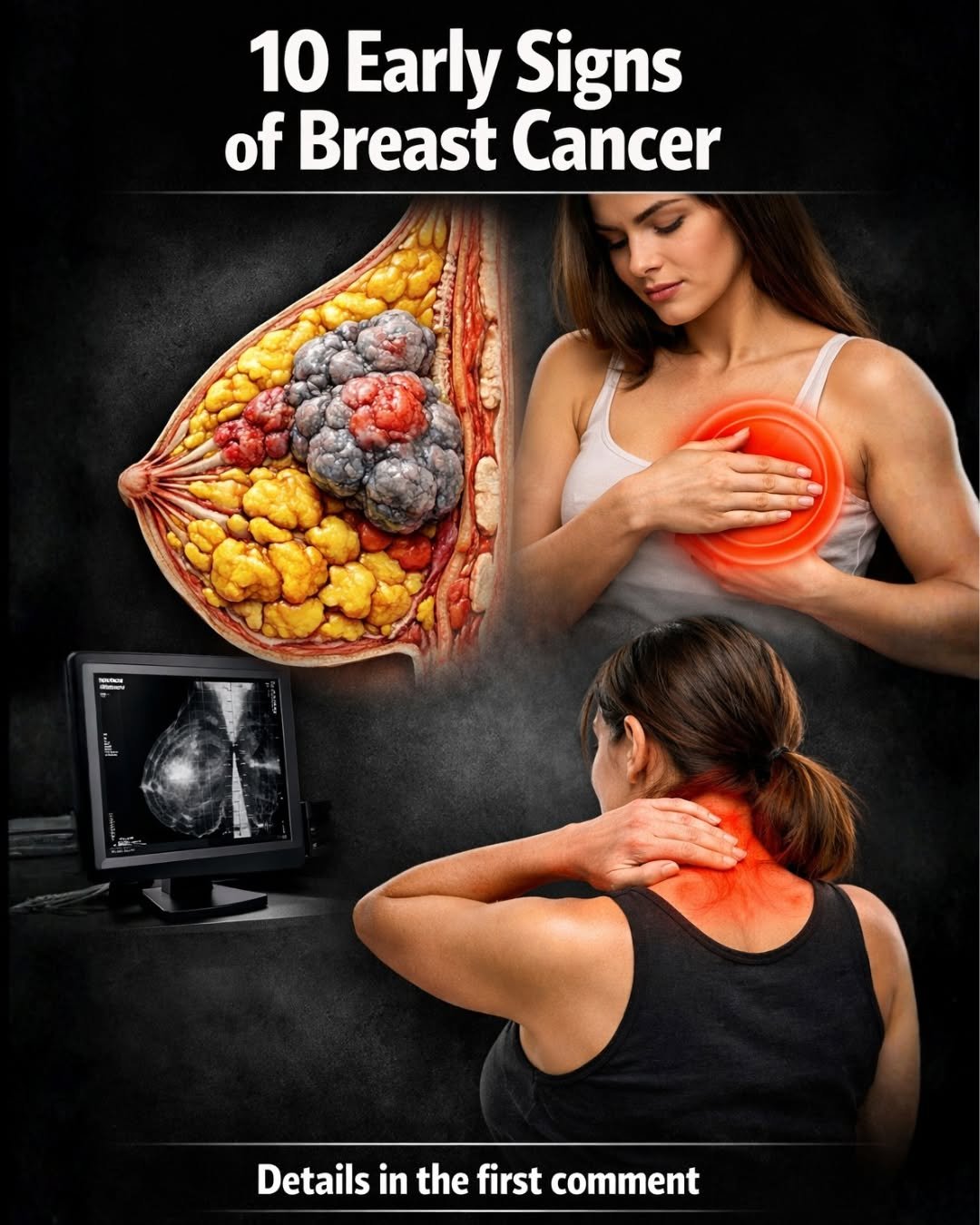
10 Early Warning Signs of Breast Cancer You Should Know
Breast cancer is one of the most common cancers worldwide, but it is also one of the most treatable when detected early. Many breast changes are caused by non-cancerous conditions such as hormonal fluctuations, cysts, or infections. However, some symptoms deserve prompt medical evaluation because they may indicate breast cancer or another health condition.
Learning what to watch for—and keeping up with recommended breast cancer screening—can help support early diagnosis and improve treatment outcomes.
Why Early Detection Matters
Breast cancer often begins without causing pain or obvious symptoms. In its earliest stages, it may only produce subtle changes in the breast or surrounding tissue.
Routine screening and early medical evaluation can help detect breast cancer before it spreads. When found early and treated promptly, outcomes are generally much better than when the disease is diagnosed at a later stage.
1. A New Breast Lump or Thickened Area
One of the most common signs of breast cancer is a new lump in the breast or underarm.
A lump should be evaluated if it is:
- Hard or firm
- Irregular in shape
- Fixed in place
- New or growing over time
Many breast lumps are benign, but any new lump should be assessed by a healthcare professional.
2. Changes in Breast Size or Shape
A noticeable change in the size, contour, or shape of one breast that cannot be explained by weight changes, pregnancy, or the menstrual cycle should be discussed with your doctor.
3. Skin Dimpling or Thickening
Skin that appears puckered, dimpled, or resembles the texture of an orange peel (“peau d’orange”) may occur when underlying breast tissue is affected.
Although uncommon, this symptom requires prompt medical evaluation.
4. Persistent Breast Redness or Swelling
Ongoing redness, warmth, swelling, or inflammation of the breast that does not improve may be caused by infection or, less commonly, inflammatory breast cancer.
Medical assessment is recommended if these symptoms persist.
5. Nipple Changes
A nipple that suddenly becomes inverted (turns inward) or changes in appearance without a clear reason should be evaluated, especially if the change is new.
6. Unusual Nipple Discharge
Nipple discharge that occurs without squeezing—particularly if it is:
- Bloody
- Clear
- Comes from only one breast
should be assessed by a healthcare provider.
7. Changes in the Skin Around the Nipple
Persistent scaling, crusting, redness, or thickening of the nipple or areola can sometimes be associated with underlying breast disease and should not be ignored.
8. Persistent Breast or Nipple Pain
Breast pain is common and is usually not caused by cancer. However, pain that:
- Persists for several weeks
- Occurs in one specific area
- Is unrelated to the menstrual cycle
should be discussed with a healthcare professional.
9. Swollen Lymph Nodes
Enlarged lymph nodes under the arm or above the collarbone can sometimes be associated with breast cancer or other medical conditions.
If swelling persists or is accompanied by other breast changes, medical evaluation is important.
10. A Breast Change That Doesn’t Go Away
Any persistent breast change—including a lump, skin change, nipple change, or unexplained swelling—that lasts more than a few weeks deserves medical attention.
Who Is at Higher Risk?
Factors that may increase breast cancer risk include:
- Increasing age
- Family history of breast or ovarian cancer
- Certain inherited gene mutations (such as BRCA1 or BRCA2)
- Dense breast tissue
- Previous radiation therapy to the chest
- Certain hormonal and lifestyle factors
Having one or more risk factors does not mean someone will develop breast cancer, and many people diagnosed have no known risk factors.
When Should You See a Doctor?
Schedule an appointment promptly if you notice:
- A new breast lump
- Persistent nipple discharge
- Skin dimpling or thickening
- Breast redness or swelling that doesn’t improve
- A newly inverted nipple
- Swollen lymph nodes with breast changes
Early evaluation does not necessarily mean cancer is present, but it allows your healthcare provider to determine the cause and recommend appropriate testing if needed.
Breast Health Tips
You can support breast health by:
- Becoming familiar with how your breasts normally look and feel
- Attending recommended mammogram screenings based on your age and risk level
- Reporting new breast changes promptly
- Maintaining a healthy lifestyle with regular exercise and a balanced diet
- Discussing your family medical history with your healthcare provider
Frequently Asked Questions
Are all breast lumps cancer?
No. Most breast lumps are benign and may be caused by cysts, fibroadenomas, or hormonal changes. However, every new lump should be evaluated by a healthcare professional.
Can men develop breast cancer?
Yes. Although much less common than in women, breast cancer can occur in men. Any persistent lump or nipple change should be assessed.
When should mammograms begin?
Screening recommendations vary depending on age, personal health history, and country-specific guidelines. Talk with your healthcare provider about the screening schedule that is appropriate for you.
Final Thoughts
Most breast changes are not caused by cancer, but paying attention to persistent or unusual symptoms is an important part of protecting your health. Early detection through awareness, routine screening, and timely medical evaluation offers the best opportunity for successful treatment if cancer is present.
Medical Disclaimer: This article is for educational purposes only and should not replace professional medical advice, diagnosis, or treatment. If you notice any new or concerning breast changes, consult a qualified healthcare professional as soon as possible.