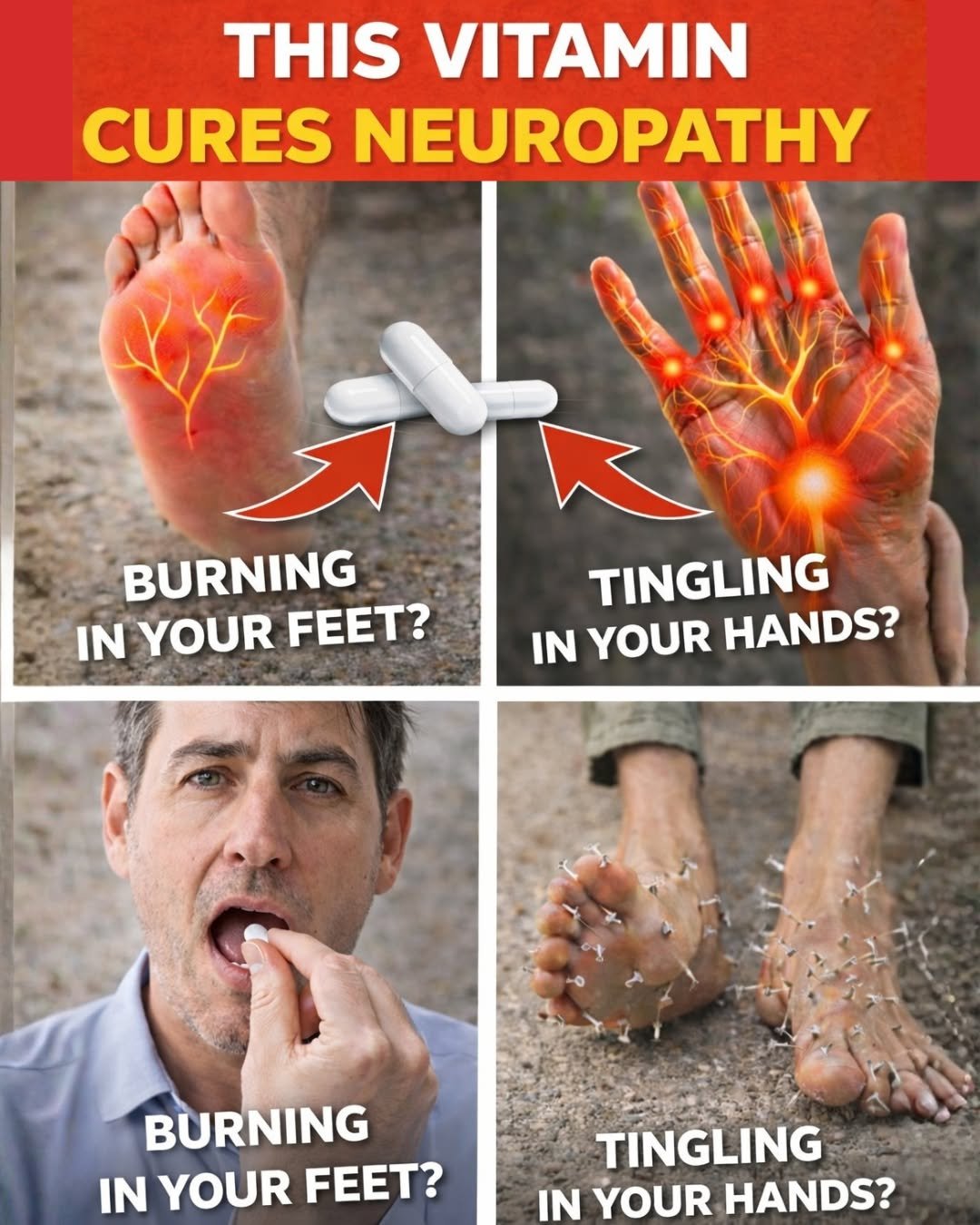
The Role of Vitamin B12 in Nerve Health: What People With Neuropathy Should Know
Peripheral neuropathy affects millions of people worldwide, causing symptoms such as tingling, numbness, burning sensations, muscle weakness, and nerve pain—most commonly in the hands and feet. While neuropathy has many possible causes, one nutrient that often receives attention from healthcare professionals is vitamin B12.
Although vitamin B12 is not a cure for nerve damage, maintaining healthy B12 levels is essential for proper nerve function. For people who are deficient, correcting that deficiency may help improve symptoms and support overall nerve health.
What Is Peripheral Neuropathy?
Peripheral neuropathy occurs when the nerves outside the brain and spinal cord become damaged. This damage can interfere with how nerves send signals throughout the body.
Common symptoms include:
- Tingling or “pins and needles”
- Numbness in the hands or feet
- Burning or sharp pain
- Muscle weakness
- Increased sensitivity to touch
- Difficulty with balance or coordination
Neuropathy can result from several conditions, including diabetes, vitamin deficiencies, certain medications, autoimmune diseases, alcohol misuse, infections, and physical injuries.
Why Vitamin B12 Is Important for Healthy Nerves
Vitamin B12, also called cobalamin, plays a vital role in maintaining the nervous system.
It helps:
- Support the protective covering around nerves (myelin)
- Promote healthy nerve communication
- Assist in DNA and red blood cell production
- Help maintain normal brain function
- Support energy metabolism
When vitamin B12 levels become too low, nerve cells may not function properly, potentially leading to numbness, tingling, or weakness.
Who Is More Likely to Have Low Vitamin B12?
Some people have a higher risk of vitamin B12 deficiency, including:
- Adults over age 50
- People with diabetes taking metformin
- Vegetarians and vegans
- Individuals with digestive disorders such as Crohn’s disease or celiac disease
- People who have had stomach or intestinal surgery
- Those taking acid-reducing medications for long periods
Because symptoms of deficiency can develop slowly, many people don’t realize they have low B12 until nerve problems begin.
Potential Benefits of Correcting a Vitamin B12 Deficiency
If testing confirms a deficiency, treatment may help:
- Support normal nerve function
- Reduce tingling and numbness
- Improve nerve signal transmission
- Support healthy myelin formation
- Increase energy levels
- Improve balance in some individuals
- Support healthy red blood cell production
- Promote overall neurological health
It’s important to understand that improvement depends on the underlying cause and how long the deficiency has been present.
Other Nutrients That Support Nerve Health
While vitamin B12 is important, other nutrients may also contribute to healthy nerve function.
| Nutrient | Primary Role |
|---|---|
| Vitamin B1 | Supports nerve metabolism |
| Vitamin B6 | Helps produce neurotransmitters (avoid excessive doses) |
| Vitamin D | Supports muscle and nerve function |
| Alpha-lipoic acid | Antioxidant that may help some people with diabetic neuropathy |
| Omega-3 fatty acids | Support overall nerve and brain health |
A balanced diet usually provides many of these nutrients, though supplements may be appropriate in certain situations under medical guidance.
Best Food Sources of Vitamin B12
Vitamin B12 is naturally found in animal-based foods, including:
- Fish and seafood
- Lean beef
- Chicken
- Eggs
- Milk
- Yogurt
- Cheese
- Fortified breakfast cereals
People following plant-based diets may need fortified foods or supplements to meet their daily requirements.
Can Vitamin B12 Supplements Help?
Vitamin B12 supplements can be very effective for people who are deficient. Depending on the cause of the deficiency, a healthcare provider may recommend:
- Oral tablets
- Sublingual (under-the-tongue) tablets
- Nasal sprays
- Vitamin B12 injections
The appropriate dose varies from person to person, so supplementation should be based on medical advice and, when appropriate, blood test results.
Healthy Habits That May Support Nerve Health
In addition to addressing vitamin deficiencies, these lifestyle habits may help support the nervous system:
- Keep blood sugar under control if you have diabetes.
- Stay physically active.
- Eat a balanced, nutrient-rich diet.
- Avoid smoking.
- Limit alcohol consumption.
- Maintain a healthy weight.
- Get adequate sleep each night.
- Manage chronic health conditions with your healthcare provider.
When Should You See a Doctor?
Consult a healthcare professional if you experience:
- Persistent numbness or tingling
- Burning pain in the hands or feet
- Muscle weakness
- Difficulty walking or maintaining balance
- Symptoms that gradually worsen
Early evaluation can help identify the underlying cause and improve treatment outcomes.
Frequently Asked Questions
Can vitamin B12 cure neuropathy?
No. Vitamin B12 is not a cure for neuropathy. However, if your symptoms are related to a vitamin B12 deficiency, correcting that deficiency may improve nerve function and reduce symptoms.
How do I know if I’m deficient in vitamin B12?
A healthcare provider can diagnose vitamin B12 deficiency using blood tests along with your symptoms and medical history.
Can too much vitamin B6 cause nerve problems?
Yes. Unlike vitamin B12, excessive vitamin B6 supplementation over time can actually cause nerve damage. Always follow recommended dosages.
Is neuropathy always caused by diabetes?
No. Diabetes is a common cause, but neuropathy can also result from vitamin deficiencies, medications, autoimmune diseases, infections, alcohol misuse, injuries, and other medical conditions.
Final Thoughts
Vitamin B12 plays a critical role in maintaining healthy nerves and supporting the nervous system. While it is not a miracle cure for neuropathy, correcting a deficiency may help improve symptoms in many individuals.
If you’re experiencing persistent numbness, tingling, or nerve pain, don’t rely on supplements alone. A proper medical evaluation can identify the cause and help you receive the most appropriate treatment.
Medical Disclaimer: This article is for educational purposes only and should not be considered medical advice. Always consult a qualified healthcare professional before starting supplements or making changes to your treatment plan, especially if you have chronic medical conditions or take prescription medications.