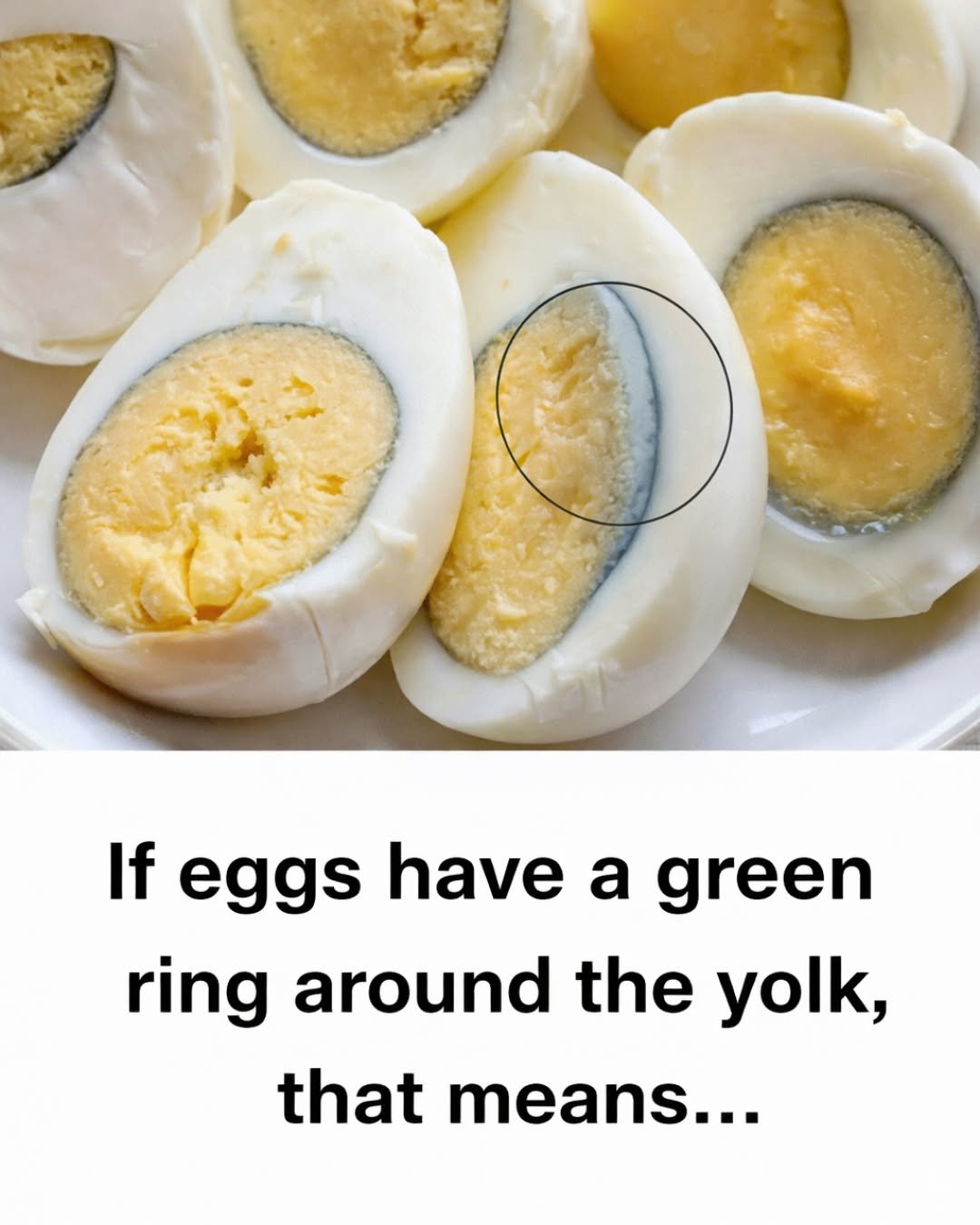
Why Do Hard-Boiled Eggs Get a Green Ring Around the Yolk? The Science Behind It
Have you ever peeled a hard-boiled egg and noticed a green or gray ring surrounding the yolk? While it may look unusual, there’s no need to throw the egg away. This common discoloration is a harmless chemical reaction that occurs during cooking and doesn’t mean the egg has gone bad.
Understanding why the green ring forms can help you cook perfect hard-boiled eggs with bright yellow yolks every time.
What Causes the Green Ring?
The green or gray ring forms when iron in the egg yolk reacts with hydrogen sulfide, a sulfur-containing gas released from the egg white during cooking.
When eggs are exposed to high temperatures for too long, more hydrogen sulfide is produced. As it reaches the yolk, it combines with iron to create iron sulfide, a naturally occurring compound that appears greenish-gray.
This reaction takes place only at the surface where the yolk meets the white, creating the familiar ring.
Is It Safe to Eat?
Yes. Eggs with a green ring are completely safe to eat.
The discoloration:
- Does not indicate spoilage
- Does not make the egg toxic
- Does not significantly affect nutrition
- Usually has little or no effect on flavor
Although the appearance may be less appealing, the egg remains perfectly edible if it has been stored and handled safely.
Why Does It Happen More Often?
Several factors increase the likelihood of a green ring forming.
Overcooking
Cooking eggs longer than necessary gives sulfur and iron more time to react.
High Cooking Temperatures
A vigorous rolling boil raises the egg’s internal temperature quickly, encouraging the chemical reaction.
Slow Cooling
If eggs remain hot after cooking, the reaction continues even after they’re removed from the stove.
Older Eggs
Older eggs sometimes develop the ring more easily because changes inside the egg allow gases to move more freely during cooking.
How to Prevent the Green Ring
Getting smooth, bright yellow yolks is easy with the right technique.
1. Start With Cold Water
Place eggs in a saucepan and cover them with cold water by about an inch.
2. Bring the Water to a Gentle Boil
Heat the water until it just reaches a boil, then reduce the heat or remove the pan from the burner according to your preferred cooking method.
3. Avoid Overcooking
As a general guide:
- Soft-boiled: 4–6 minutes
- Medium-boiled: 7–9 minutes
- Hard-boiled: 10–12 minutes
Cooking times may vary slightly depending on egg size and altitude.
4. Cool Eggs Immediately
Transfer the eggs to a bowl of ice water for several minutes.
Rapid cooling:
- Stops the cooking process
- Helps prevent the green ring
- Makes peeling easier
- Produces a firmer texture
Does the Green Ring Affect Nutrition?
No. The egg still provides the same valuable nutrients, including:
- High-quality protein
- Vitamin B12
- Vitamin D
- Choline
- Selenium
- Healthy fats
The small amount of iron sulfide that forms does not significantly reduce the egg’s nutritional value.
Tips for Perfect Hard-Boiled Eggs
For consistently great results:
- Use a timer rather than guessing.
- Avoid boiling eggs for extended periods.
- Cool eggs quickly in ice water.
- Store cooked eggs in the refrigerator and consume them within one week.
- Peel eggs under running water if the shells are difficult to remove.
Frequently Asked Questions
Is a green-ringed egg spoiled?
No. The green ring is caused by a natural chemical reaction during cooking, not by spoilage.
Can I still use these eggs in recipes?
Absolutely. They work perfectly in egg salad, sandwiches, deviled eggs, salads, and other dishes.
Does using fresh eggs prevent the green ring?
Not necessarily. Fresh eggs are often harder to peel, while slightly older eggs may peel more easily. Proper cooking time and rapid cooling have a greater impact on preventing discoloration.
Why do restaurant eggs sometimes look brighter?
Many commercial kitchens carefully control cooking temperatures and immediately chill eggs in ice water, helping preserve the bright yellow color of the yolk.
Final Thoughts
A green ring around a hard-boiled egg yolk is simply the result of a harmless reaction between iron and sulfur during cooking. While it may affect appearance, it does not make the egg unsafe or less nutritious.
By avoiding overcooking and cooling eggs quickly after boiling, you can enjoy perfectly cooked eggs with vibrant yellow yolks every time.
Food Safety Note: Hard-boiled eggs should be refrigerated within two hours of cooking and consumed within one week for best quality and safety.