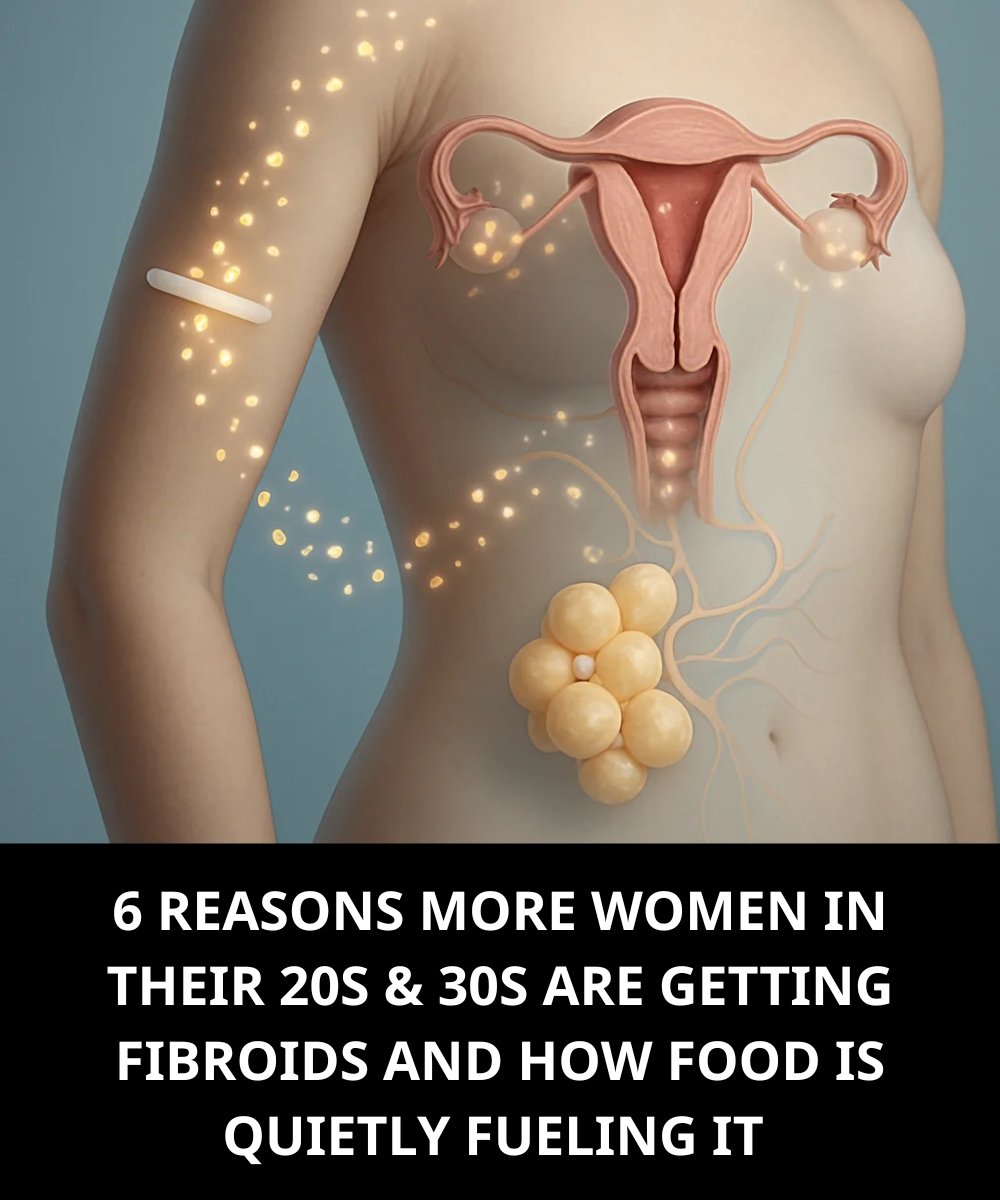
6 Reasons More Women in Their 20s & 30s Are Getting Fibroids
And How Food Is Quietly Fueling It 😱
Read This BEFORE Your Next Meal
Uterine fibroids were once considered a “later-in-life” issue. Today, doctors are seeing them show up earlier — sometimes before 30, often silently, and increasingly linked to modern lifestyle and dietary patterns.
Fibroids are non-cancerous growths that respond strongly to hormones, especially estrogen. While genetics matter, environmental and food-related factors are now impossible to ignore.
Below are 6 evidence-backed reasons fibroids are rising among younger women — and how everyday foods may be quietly contributing.
1. Estrogen Overload From Modern Diets
Fibroids are estrogen-sensitive tumors. The problem isn’t just the hormone your body makes — it’s the extra estrogen-like compounds coming from food.
Common contributors:
Conventional dairy and meat (often contain hormone residues)
Highly processed foods
Excess body fat (fat tissue produces estrogen)
When estrogen stays high for long periods, fibroid cells receive a constant “grow” signal.
Food pattern linked to higher risk:
Ultra-processed diets high in animal fat and low in fiber.
2. Ultra-Processed Foods Disrupt Hormone Balance
Packaged snacks, fast food, frozen meals, and sugary drinks don’t just add calories — they interfere with hormone regulation and liver detox pathways.
Why this matters:
The liver clears excess estrogen
Processed foods burden the liver
Estrogen recirculates instead of being eliminated
Over time, this creates chronic estrogen dominance, even in slim, active women.
3. Low Fiber Intake = Trapped Estrogen
Fiber isn’t just for digestion — it plays a direct role in hormone clearance.
When fiber is low:

Estrogen is reabsorbed in the gut
Blood estrogen levels rise
Fibroid growth becomes more likely
Many women in their 20s–30s eat far below recommended fiber levels, especially when diets are heavy in:
White bread
Cheese
Meat
Sugar
Protective foods: leafy greens, beans, lentils, berries, whole grains.
4. Endocrine Disruptors in Food & Packaging
Some foods carry hormone-disrupting chemicals that mimic estrogen in the body.
Key culprits:
Plastic food containers (BPA, phthalates)
Canned foods with epoxy linings
Pesticide residues on produce
Artificial food additives
These compounds don’t raise estrogen levels — they act like estrogen, binding to the same receptors fibroids respond to.
This exposure starts early and accumulates quietly over years.
5. Chronic Inflammation Feeds Fibroid Growth
Fibroids thrive in an inflammatory environment.
Diets high in:
Fried foods
Refined carbohydrates
Processed meats
Added sugars
promote systemic inflammation, which:
Stimulates abnormal tissue growth
Impairs immune surveillance
Worsens fibroid-related symptoms
Inflammation also makes fibroids more resistant to the body’s natural regulatory signals.
6. Iron Imbalance & Red Meat Overconsumption
Red meat intake has been consistently associated with higher fibroid risk in observational studies.
Possible reasons:
Heme iron increases oxidative stress
Meat-heavy diets often displace protective plant foods
Iron overload can fuel abnormal cell growth
This doesn’t mean zero meat — but daily consumption, especially processed red meat, may tilt the balance toward fibroid development.
Foods That May Help Lower Risk (Quietly but Powerfully)
While no food “cures” fibroids, certain patterns are linked to slower growth and lower incidence:
🥬 Cruciferous vegetables (broccoli, cabbage)
🫘 Legumes and soy foods (in whole, traditional forms)
🫐 Antioxidant-rich fruits

🫒 Olive oil
🐟 Omega-3-rich fish
🌾 High-fiber whole grains
These foods support estrogen metabolism, reduce inflammation, and protect uterine tissue over time.
Why This Matters So Young
Fibroids don’t appear overnight. They develop silently over years, often starting in the 20s, growing unnoticed until symptoms appear later:
Heavy or painful periods
Bloating or pelvic pressure
Fatigue from iron loss
Fertility challenges
What you eat today influences hormonal signaling years down the line.
Final Thought
Fibroids are not just a “bad luck” diagnosis. For many women, they reflect a long-term hormonal environment shaped by food, chemicals, and lifestyle.
Awareness doesn’t mean fear — it means choice.
Your next meal may be doing more than feeding you.
It may be sending hormonal signals your uterus will remember.
👀