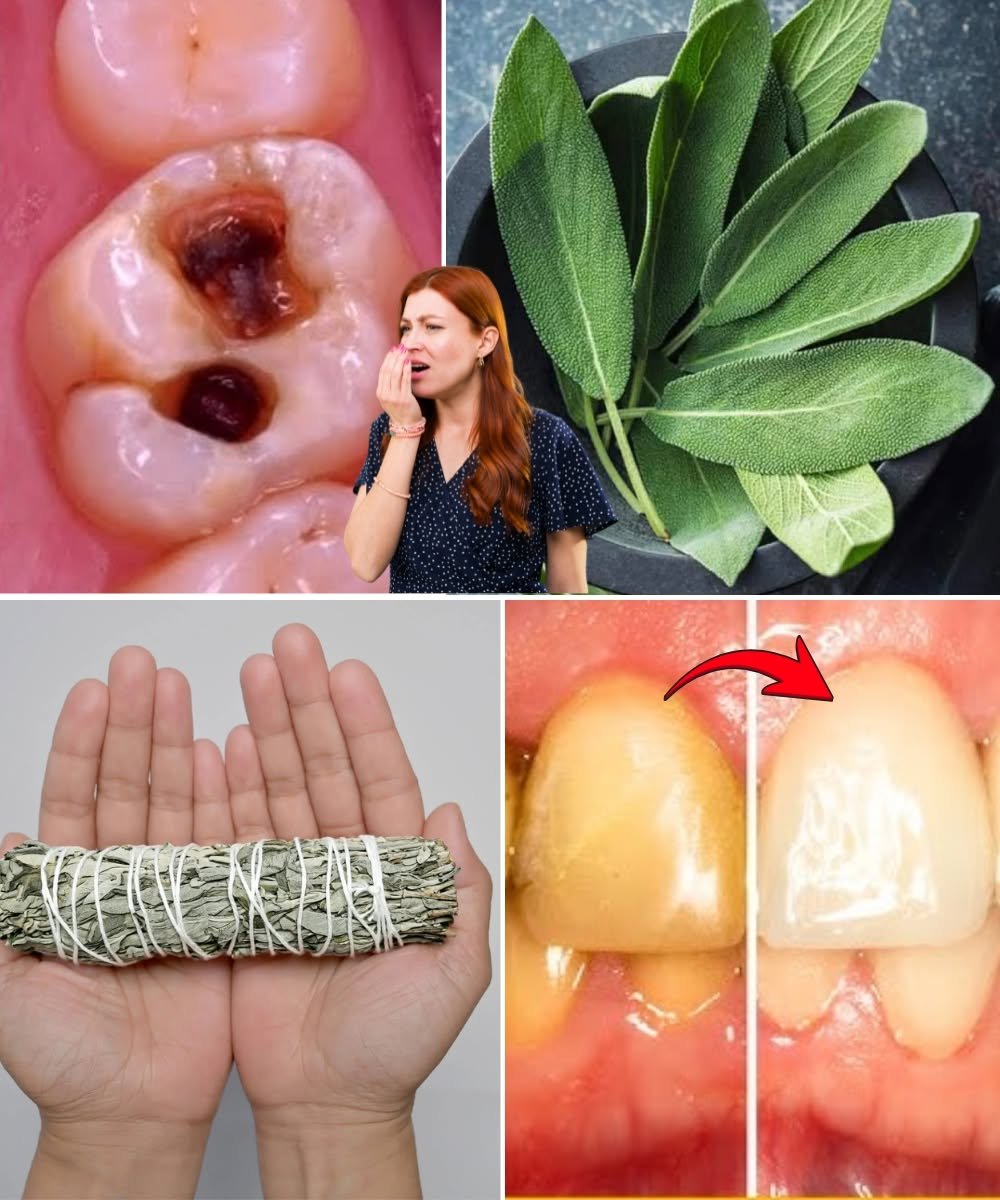
6 Powerful Oral Health Benefits of Sage Leaves: Nature’s Herbal Support for Teeth and Gums
Why Sage Leaves Are Gaining Attention for Oral Care
For centuries, sage (Salvia officinalis) has been valued in traditional medicine for its soothing and cleansing properties. Today, researchers continue to study its natural compounds and their potential role in supporting oral hygiene.
While sage is not a replacement for brushing, flossing, or professional dental care, it can be a helpful addition to a healthy oral-care routine.
Here are six ways sage leaves may benefit your mouth, teeth, and gums.
1. Helps Reduce Harmful Oral Bacteria
A healthy mouth depends on maintaining a balanced level of bacteria. Some bacteria contribute to:
- Plaque formation
- Bad breath
- Tooth decay
- Gum irritation
Sage contains natural plant compounds, including flavonoids and essential oils, that have demonstrated antimicrobial activity in laboratory studies.
Using sage as a rinse may help create a cleaner oral environment by reducing bacterial buildup.
2. Supports Healthier Gums and Reduces Irritation
Inflamed gums can become:
- Red
- Swollen
- Tender
- Sensitive during brushing
Sage contains compounds with anti-inflammatory properties that may help soothe irritated gum tissue.
A warm sage rinse may provide gentle support for people experiencing mild gum discomfort, although persistent bleeding or swelling should always be checked by a dentist.
3. May Provide Natural Relief for Mouth Discomfort
Sage has traditionally been used for soothing minor oral discomfort.
Its natural compounds may help calm:
- Mild gum soreness
- Mouth irritation
- Temporary discomfort after dental procedures
A warm sage rinse can feel comforting, but it should not replace treatment for infections, severe tooth pain, or dental problems.
4. May Help With Bleeding Gums
Bleeding gums can occur because of:
- Plaque buildup
- Gum inflammation
- Brushing too aggressively
- Early gum disease
Sage has mild astringent properties, meaning it may help temporarily tighten tissues and provide a soothing effect.
However, frequent gum bleeding is a sign that professional dental advice may be needed.
5. Freshens Breath Naturally
Bad breath often develops when bacteria break down food particles in the mouth.
Sage may help because it:
- Contains aromatic oils
- Has antibacterial activity
- Provides a refreshing herbal flavor
A sage mouth rinse may help reduce unpleasant odors and leave your mouth feeling fresher.
6. Supports Plaque Control and Overall Oral Hygiene
Plaque is a sticky layer of bacteria that forms on teeth. If not removed regularly, it can contribute to:
- Cavities
- Gum disease
- Enamel damage
Because sage may help reduce bacterial activity and inflammation, it can be a useful natural complement to daily dental care.
How to Make a Simple Sage Mouth Rinse
Ingredients:
- 1 cup warm water
- 5–7 fresh sage leaves or 1 teaspoon dried sage
Directions:
- Bring water to a boil.
- Add sage leaves.
- Let steep for about 10 minutes.
- Allow the liquid to cool until comfortably warm.
- Use as a mouth rinse and spit out.
You can use it occasionally as part of your oral-care routine.
Safety Tips When Using Sage for Oral Care
Keep these points in mind:
✅ Do not replace fluoride toothpaste or regular brushing with herbal rinses.
✅ Avoid swallowing large amounts of sage preparations.
✅ Do not apply raw sage leaves directly to open wounds or extraction areas.
✅ Stop use if irritation occurs.
✅ Consult a dental professional for persistent pain, swelling, or bleeding.
Frequently Asked Questions
Can sage cure gum disease?
No. Sage may support oral hygiene, but gum disease requires proper dental evaluation and treatment.
Is sage mouthwash better than regular mouthwash?
Not necessarily. Some commercial mouthwashes contain ingredients specifically tested for plaque and cavity prevention. Sage can be a natural supplement to good oral care.
How often can I use sage rinse?
Occasional use is generally preferred. If you plan to use it regularly, discuss it with your dentist, especially if you have existing oral conditions.
Final Thoughts
Sage leaves are more than a flavorful kitchen herb. Their natural antimicrobial and anti-inflammatory compounds make them an interesting herbal option for supporting oral wellness.
From fresher breath to soothing gum irritation, sage may offer gentle benefits when combined with proven habits:
- Brush twice daily
- Floss regularly
- Limit excess sugar
- Visit your dentist for routine checkups
A healthier smile starts with consistent care—and natural remedies like sage can be a useful addition to that routine.