
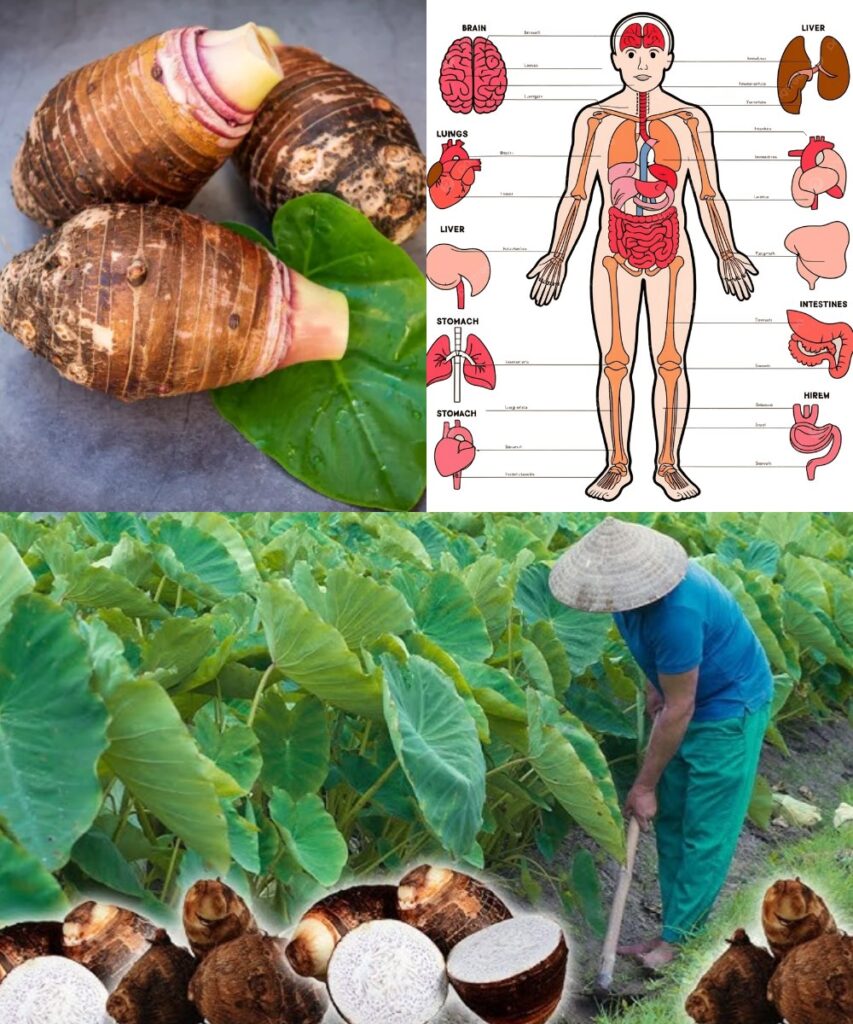
Have you ever tried taro root? This tropical root veggie, loved in dishes from Hawaii to Vietnam, isn’t just tasty — it’s packed with nutrients that support your digestion, heart, energy, and more. Whether you mash it, roast it, or turn it into a creamy smoothie bowl, taro root is a gentle and wholesome addition to your meals.
Let’s explore why this starchy root is gaining popularity in wellness circles — and how you can enjoy its benefits safely and deliciously. 💜
🌿 What Is Taro Root?
Taro root (Colocasia esculenta) is a starchy tuber used in traditional dishes like poi, taro fries, and creamy soups. Known for its mild, nutty flavor and fluffy texture when cooked, taro is rich in fiber, potassium, magnesium, and antioxidants like vitamin E.
In cultures across Asia and the Pacific Islands, taro has long been valued not just for its taste — but also for its gentle support of gut health and energy levels.
🥄 Nutritional Highlights (Per 100g Cooked Taro)
Fiber: Supports digestion and gut health
Potassium: Balances blood pressure
Magnesium: Helps with muscle and nerve function
Vitamin E: Protects cells from oxidative stress
Complex Carbs: Slow-burning fuel for steady energy
💚 Health Benefits of Taro Root
1. Gentle on Digestion
Taro root is high in fiber and resistant starch, which act as natural prebiotics. This means they feed the good bacteria in your gut — helping to improve digestion, ease constipation, and support a balanced microbiome.
2. Heart-Friendly Nutrients
Taro is rich in potassium, which helps regulate blood pressure. Its fiber may also help reduce cholesterol, supporting heart wellness when combined with a healthy lifestyle.
3. Steady Energy Support
Instead of spiking your blood sugar like some refined carbs, taro offers complex carbs that give you long-lasting energy. It’s a great food for staying fueled throughout your day — especially if you lead an active lifestyle.
4. Immune-Boosting Antioxidants
With vitamin C and antioxidants like vitamin E, taro may help support a healthy immune system — especially during seasonal changes or when you’re feeling run down.
5. Muscle and Bone Support
Taro root contains magnesium and calcium, both essential for muscle relaxation and maintaining strong bones as we age.

🍽️ How to Prepare Taro Root Safely
Important: Taro must be cooked before eating, as raw taro contains natural compounds that can irritate your mouth or skin.
✅ Step-by-Step Guide:
Choose fresh taro: Look for firm, blemish-free roots.
Peel carefully: Use gloves if needed, and wash thoroughly.
Cook completely:
Boil for 15–20 minutes until soft
Steam for a gentler texture
Roast at 400°F for 25–30 mins with a drizzle of olive oil
Store wisely:
Raw taro: cool, dry place (up to 2 weeks)
Cooked taro: refrigerate in airtight container (up to 4 days)
🍠 Delicious Ways to Enjoy Taro
Taro Mash: Creamy like potatoes, with a nutty twist
Taro Chips: Slice, season, and bake for a crispy snack
Taro Soup: Simmer with coconut milk and ginger for a soothing dish
Taro Smoothie Bowl: Blend with banana and coconut milk, then top with fruit and nuts

Taro Dessert: Mash and mix with honey and cinnamon for a gentle, naturally sweet treat

✨ Have a favorite taro recipe? Share it with friends or drop it in the comments!
⚠️ What to Watch Out For
While taro is a healthy food for most people, here are a few things to keep in mind:
Never eat raw taro: It can cause irritation or digestive upset
Don’t overdo it: Too much fiber at once may cause bloating — start with ½ cup
Check for allergies: Try a small portion first if it’s your first time
Watch kidney health: If you have kidney issues, ask your doctor — taro contains oxalates
On medications? Taro’s potassium may interact with certain drugs — double-check with your healthcare provider
💡 Healthy Habits to Pair with Taro
To get the most from this gentle superfood, combine it with these wellness tips:
🥗 Eat a balanced diet: Pair taro with veggies, lean proteins, and healthy fats
🚶♀️ Move your body: 30 minutes of walking or yoga daily can boost energy and circulation
💧 Stay hydrated: Helps your digestive system work smoothly with all that fiber
😴 Sleep well: Aim for 7–9 hours to support immune health and energy
🩺 When to Seek Guidance
Taro is generally safe when cooked, but if you notice:

Ongoing bloating or discomfort
Rash or itching after eating
Kidney stone symptoms
Medication interactions
…it’s best to check with your doctor or nutritionist before continuing.
🌟 Final Thoughts
Taro root is more than just a pretty purple veggie — it’s a gentle, satisfying way to support your health from the inside out. From digestion to energy to heart health, this tropical root brings ancient wisdom into your modern kitchen.
🥄 Try taro this week — mashed, roasted, or blended — and discover your new favorite comfort food with a wellness twist!
🔁 Loved this article? Share it with a friend who’s curious about healthy eating!
Disclaimer: This article is for educational purposes only and not intended to replace professional medical advice. Always consult your healthcare provider before making dietary changes.
