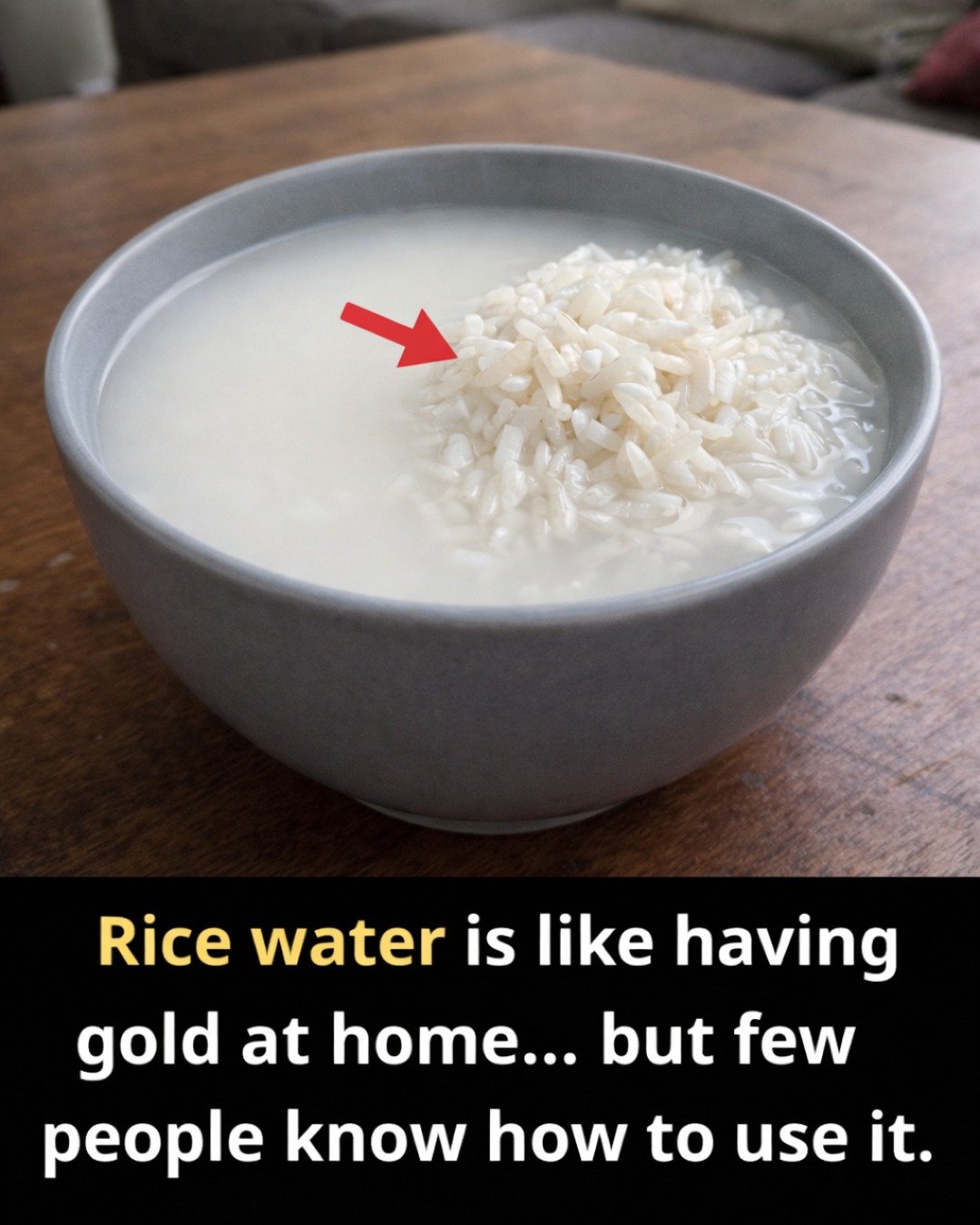
Every time you rinse rice before cooking, that cloudy water you’re pouring down the drain might just be a missed opportunity for simpler, more natural care. Many of us deal with dull, brittle hair that breaks easily despite expensive conditioners, or skin that feels uneven, irritated, or lacks that fresh radiance no matter what we try. It’s frustrating to spend time and money on products that don’t quite deliver the gentle, lasting support we’re hoping for.
But here’s the thing: that milky rice water has been valued for centuries in Asian traditions for its potential to nourish both hair and skin in a mild, affordable way. And the best part? You can start harnessing it today with items already in your kitchen. Keep reading to discover exactly how to prepare and use it safely for results you might notice in weeks.
What Makes Rice Water Worth Trying?
Rice water is the starchy liquid left after soaking or rinsing rice. It’s packed with vitamins like B and E, amino acids, minerals, and antioxidants that research suggests may support healthier hair and skin.
For instance, studies highlight inositol—a carbohydrate naturally found in rice water—that may help repair damaged hair from the inside out and improve elasticity. Antioxidants like ferulic acid are also noted for their potential to soothe skin and protect against environmental stressors.
The real appeal comes from traditions like those of the Yao women in China’s Huangluo village, famous for their exceptionally long, shiny hair. They credit fermented rice water rinses for maintaining hair health well into later years.
But that’s not all—many people report softer strands and a more balanced complexion with consistent use. Of course, individual experiences vary, and it’s about finding what works gently for you.

Potential Benefits for Your Skin
Struggling with uneven tone, enlarged pores, or occasional redness? Rice water’s mild nature makes it a popular at-home option.
Research points to its ferulic acid and other antioxidants that may help calm inflammation and support a brighter appearance over time. It’s also been used traditionally as a gentle toner.
Many find applying it leaves skin feeling refreshed and softer, especially when used as a cooling mist.
Quick tip: Transfer it to a spray bottle for easy, everyday application after cleansing.
How It Might Help as a Toner
- May balance skin’s natural oils without stripping
- Could provide a soothing, hydrating feel
- Antioxidants offer gentle support against daily stressors
For potential anti-aging effects, inositol and other nutrients are linked in studies to improved elasticity and barrier strength. Pair it with your favorite moisturizer for added hydration.
It may also calm minor irritations, thanks to starch with anti-inflammatory properties noted in some research.
How Rice Water May Support Hair Health
Dealing with breakage, lackluster shine, or scalp discomfort? Rice water rinses have gained attention for their potential strengthening effects.

Inositol is particularly studied for helping protect and repair strands, while proteins may coat hair for smoother texture.
Weekly use after shampooing—leaving it on for 10-20 minutes—often leaves hair feeling silkier and more manageable.
Here’s a quick comparison of common benefits:
| Benefit | Key Nutrients Involved | Common Use | Suggested Frequency |
|---|---|---|---|
| Brighter Complexion | Antioxidants, Vitamins | Facial toner | Daily, if tolerated |
| Stronger Strands | Inositol, Amino Acids | Hair rinse/mask | 1-2 times weekly |
| Soothing Relief | Anti-inflammatory compounds | Compress or bath | As needed |
| Added Shine | Proteins, Minerals | Hair treatment | Weekly |
Easy Ways to Prepare Rice Water at Home
Ready to give it a try? These simple methods require no special tools.
Quick Soaking Method (Great for Skin)
- Rinse ½–1 cup of rice to remove impurities.
- Soak in 2–3 cups of clean water for 30 minutes.
- Stir occasionally, then strain the cloudy liquid.
- Use fresh or store in the fridge for up to a week.
Fermented Method (Popular for Hair)
- Follow the soaking steps above.
- Let the strained water sit at room temperature for 24–48 hours until slightly sour (this may enhance antioxidants).
- Dilute with fresh water before use to avoid overpowering.
- Refrigerate and use within a few days.
Pro tip: Opt for organic rice when possible to minimize residues. Always shake before using.
Practical Tips for Safe, Effective Use
To get the most out of rice water while keeping things gentle:
- Start with a patch test on your inner arm or a small hair section.
- For hair, limit to 1–2 times weekly to prevent protein buildup, which can make strands feel stiff.
- Dilute if your skin or scalp is sensitive.
- Avoid contact with eyes and stop if any irritation occurs.
- Results often build with consistency—many notice changes in 2–4 weeks.
This isn’t about overnight miracles, but incorporating a low-cost, natural option that many find refreshing.
Frequently Asked Questions
Is rice water suitable for all skin and hair types?
It’s generally mild, but those with sensitive skin or low-porosity hair should start diluted and monitor closely.
How soon might I notice differences?
Softness or shine can appear in weeks with regular use, though everyone’s results differ based on factors like consistency and individual response.
Can I use rice water daily?
For skin as a toner, yes if it agrees with you. For hair, stick to weekly to avoid overload.
Final Thoughts: A Simple Addition to Your Routine
Rice water offers an accessible way to explore natural support for common hair and skin concerns—from potential glow and smoothness to stronger, shinier strands.
Why not try a basic toner or rinse this week? Pay attention to how your body responds, and adjust as needed. With mindful, moderate use, it could become a quiet favorite in your self-care lineup.
Disclaimer: This article is for informational purposes only and is not medical advice. Rice water’s nutrients show promise in research for supporting hair and skin health, but results vary, and it may cause irritation in some individuals. Always perform a patch test, use in moderation, and consult a healthcare professional or dermatologist for any concerns or personalized guidance.