
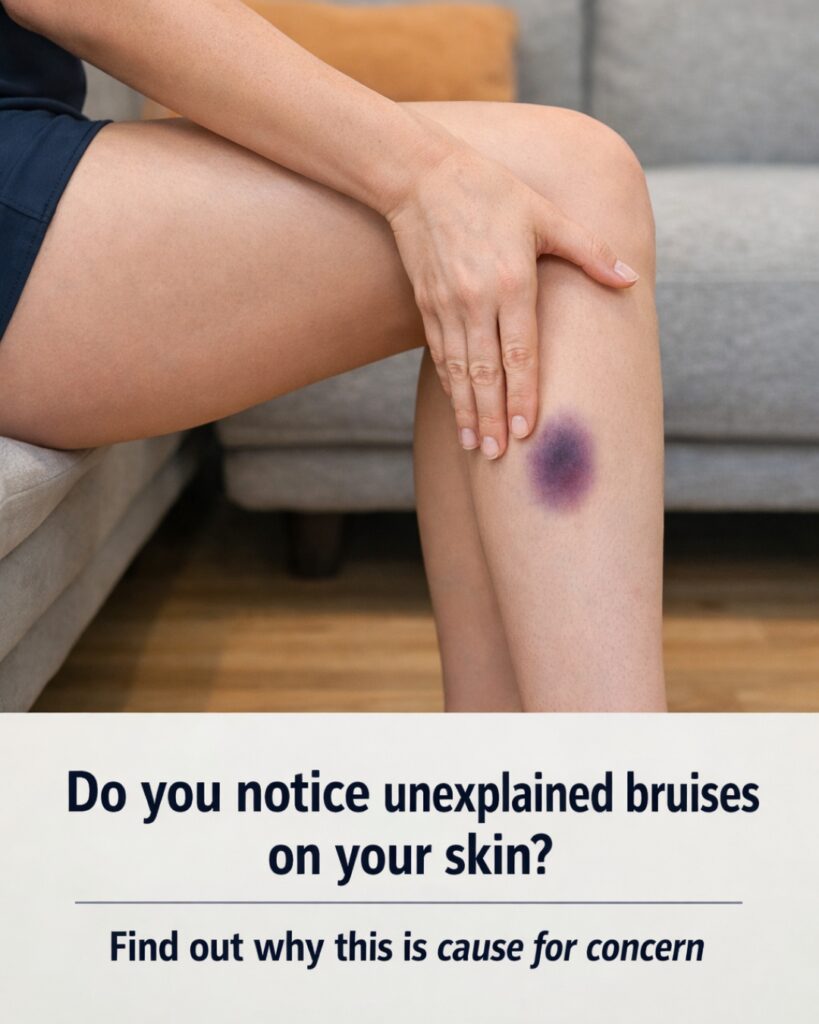
Why Purple Spots on Skin Shouldn’t Be Ignored: Causes, Signs & When to Seek Help
Noticing purple or dark spots on your skin can be surprising, especially when they appear without an obvious cause. While many people write them off as simple bruises, these spots can sometimes signal underlying health issues that deserve attention. Understanding what causes them and when to check with a doctor is important for your well-being.
What Are Purple Spots on the Skin?
Purple spots or patches often form when tiny blood vessels under the skin leak or break, leading to blood pooling beneath the surface. In medical terms, these discolorations are often referred to as purpura or ecchymoses depending on size, and they do not fade when pressed like some rashes do.
Unlike typical bruises from bumps or falls, purpura spots can appear without noticeable injury, making them worth watching closely.
Common Causes of Purple Spots
1. Minor Injuries and Everyday Bruising
The most frequent cause of purple spots is trauma — even mild bumps can break small blood vessels and lead to discoloration that changes in color over time as the bruise heals.
2. Age-Related Skin Changes
As people age, the skin becomes thinner and blood vessels more fragile. This can lead to patches of purple skin even from light pressure or sun-exposed areas — a condition sometimes called senile or actinic purpura.
3. Medications That Affect Blood Clotting
Drugs such as aspirin and other blood thinners make it easier to bruise because they reduce the blood’s ability to clot. This increases the chance of purple spots forming on the skin.

4. Low Platelet Levels and Blood Disorders
Platelets are crucial for blood clotting. Conditions that reduce platelet count — including immune disorders, bone marrow problems, or thrombocytopenic purpura — can lead to purpura spots.
5. Vitamin Deficiencies
A lack of vitamin C or other essential nutrients can weaken blood vessel walls, making spots more likely to appear spontaneously.
6. Serious Infections and Immune Conditions
Some infections and immune-related illnesses can damage blood vessels or interfere with clotting, sometimes causing widespread purple spots alongside other symptoms.
When Purple Spots Deserve Immediate Medical Attention
Most purple spots from bumps heal on their own within a couple of weeks. But you should consult a healthcare provider if:
Spots appear suddenly without injury
They spread quickly or are very large

You notice bleeding from gums, nose, or other areas
Spots are accompanied by weakness, fever, or unusual fatigue
You are taking medications that affect clotting and new spots keep showing up

These signs can sometimes point to an underlying condition that needs professional evaluation. Regular checkups and blood tests help identify whether the spots are harmless or indicative of a deeper issue.
What You Can Do at Home
For simple bruises, rest and care can speed healing:
Apply a cold compress soon after minor trauma
Keep the area elevated
Protect fragile skin from repeated injury

Always follow your doctor’s advice, especially if you’re on medications or have other health conditions.
Final Thoughts
Purple or dark spots on the skin can be harmless — especially after a knock or fall — but unexplained or frequent spots should prompt evaluation. These marks might be just bruises, but they can also signal vitamin deficiencies, clotting issues, or other serious health concerns.
Understanding the causes, when to worry, and how to respond will help you stay proactive about your skin and overall health.
