
Why Do Your Hands Fall Asleep? Common Causes and Natural Remedies That Actually Work
Many people have experienced the strange sensation of waking up with numb or tingling hands. It may feel like “pins and needles,” weakness, or a temporary loss of sensation. While this can be harmless and short-lived, frequent hand numbness may signal underlying issues related to nerves, circulation, or lifestyle habits.
In this guide, you’ll learn why hands fall asleep, the most common causes, and natural remedies that can help restore comfort and circulation.
What Does It Mean When Your Hands Fall Asleep?
Hand numbness usually happens when nerves or blood vessels become compressed, interrupting normal signals between the brain and the hand. When this pressure is released, the familiar tingling sensation appears as the nerves “wake up.”
This phenomenon is medically known as paresthesia, and it may occur occasionally due to simple factors like posture or repetitive movements.
Common Causes of Hand Numbness
Understanding the cause is the first step to finding the right solution. Here are the most common reasons why your hands may fall asleep.
1. Poor Sleeping Position
One of the simplest explanations is sleeping in a position that compresses nerves or restricts blood flow to the arms.
For example:
Sleeping with your wrists bent
Lying on your arm for long periods
Keeping elbows folded under your body
These positions can temporarily block nerve signals and cause numbness until circulation returns.
Quick fix
Changing your sleeping posture or using a supportive pillow can often eliminate nighttime numbness.
2. Carpal Tunnel Syndrome
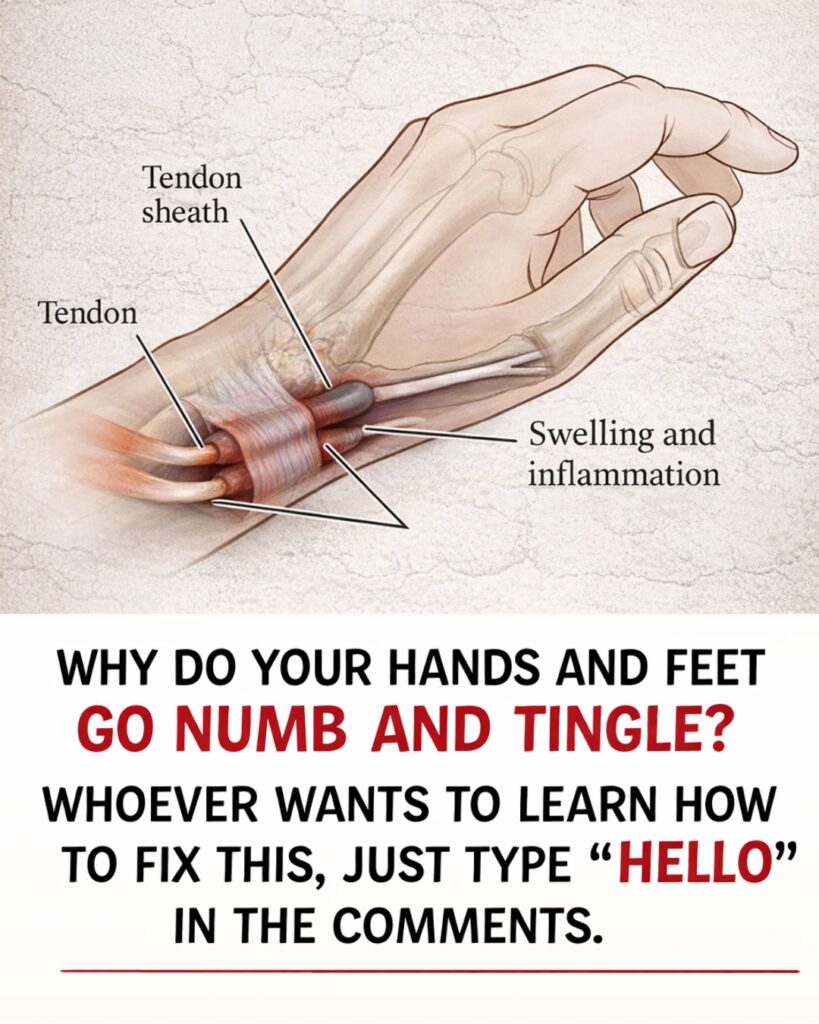
Carpal tunnel syndrome is one of the most common medical causes of numb hands. It occurs when the median nerve in the wrist becomes compressed, often due to inflammation or repetitive hand movements.
Common symptoms include:
Tingling in the thumb, index, and middle fingers
Weak grip strength
Nighttime numbness
Pain radiating up the arm
People who type, use tools, or perform repetitive wrist motions are at higher risk.
3. Nerve Compression in the Neck or Arm
Sometimes the issue doesn’t originate in the hand itself. A pinched nerve in the neck or spine can cause numbness that travels down the arm into the hand.

Possible causes include:
Herniated discs
Cervical radiculopathy
Ulnar nerve compression
These conditions interfere with nerve signals from the spinal cord to the hands.
4. Vitamin Deficiencies
A lack of certain nutrients—especially vitamin B12—can damage nerves and lead to tingling or numbness in the hands and feet.
Other nutrients linked to nerve health include:
Vitamin B6
Magnesium
Omega-3 fatty acids
When the body lacks these nutrients, nerve function can become impaired.
5. Chronic Health Conditions
Persistent numbness may also be related to underlying health conditions such as:
Diabetes and peripheral neuropathy
Autoimmune disorders
Multiple sclerosis
Circulatory problems
In these cases, the nerves become damaged or blood flow becomes impaired, causing ongoing symptoms.
Natural Remedies That May Help
If hand numbness is mild or occasional, several natural approaches may help improve circulation and nerve health.
1. Gentle Hand and Wrist Exercises
Stretching and strengthening the hands can reduce pressure on nerves and improve mobility.
Try these simple exercises:

Wrist rotations
Finger stretches
Squeezing a stress ball
Wrist flexor stretches
These movements increase blood flow and keep tendons flexible.
2. Improve Your Sleep Position
Avoid positions that compress the arms or wrists.
Helpful tips include:
Sleep with wrists in a neutral position
Use a supportive pillow for your neck
Avoid sleeping with arms under your body
These changes can dramatically reduce nighttime numbness.
3. Warm Compress or Hand Massage
Massage improves circulation and helps relax muscles around compressed nerves.
You can:
Massage your palms and fingers for 5–10 minutes
Apply warm compresses to increase blood flow
Use natural oils like coconut or olive oil for added comfort
Regular massage may relieve tension in the wrists and forearms.
4. Support Nerve Health with Nutrition
A balanced diet rich in nerve-supporting nutrients may help prevent numbness.
Foods to include:
Eggs and fish (vitamin B12)

Nuts and seeds (magnesium)
Leafy greens
Fatty fish like salmon (omega-3s)

These nutrients support nerve function and healthy circulation.
5. Reduce Repetitive Strain
If you spend long hours typing or using a phone, take breaks every 30–60 minutes.
Helpful habits:
Stretch your wrists regularly
Use ergonomic keyboards
Adjust desk height and posture
Reducing repetitive strain protects the nerves in your hands and wrists.
When Should You See a Doctor?
Occasional numbness is usually harmless. However, medical attention may be necessary if symptoms:
Persist for several days
Occur frequently
Cause weakness or loss of grip
Spread to other parts of the body
Persistent symptoms may indicate nerve damage or another underlying condition that requires professional evaluation.
Final Thoughts
Hand numbness is a common experience that often results from temporary nerve compression or poor posture. However, when it occurs frequently, it may signal issues like carpal tunnel syndrome, vitamin deficiencies, or nerve disorders.
The good news is that simple lifestyle changes—better posture, regular stretching, improved nutrition, and proper sleep positioning—can often reduce or eliminate the problem.
By paying attention to your body and supporting nerve health naturally, you can keep your hands comfortable, strong, and fully functional.
