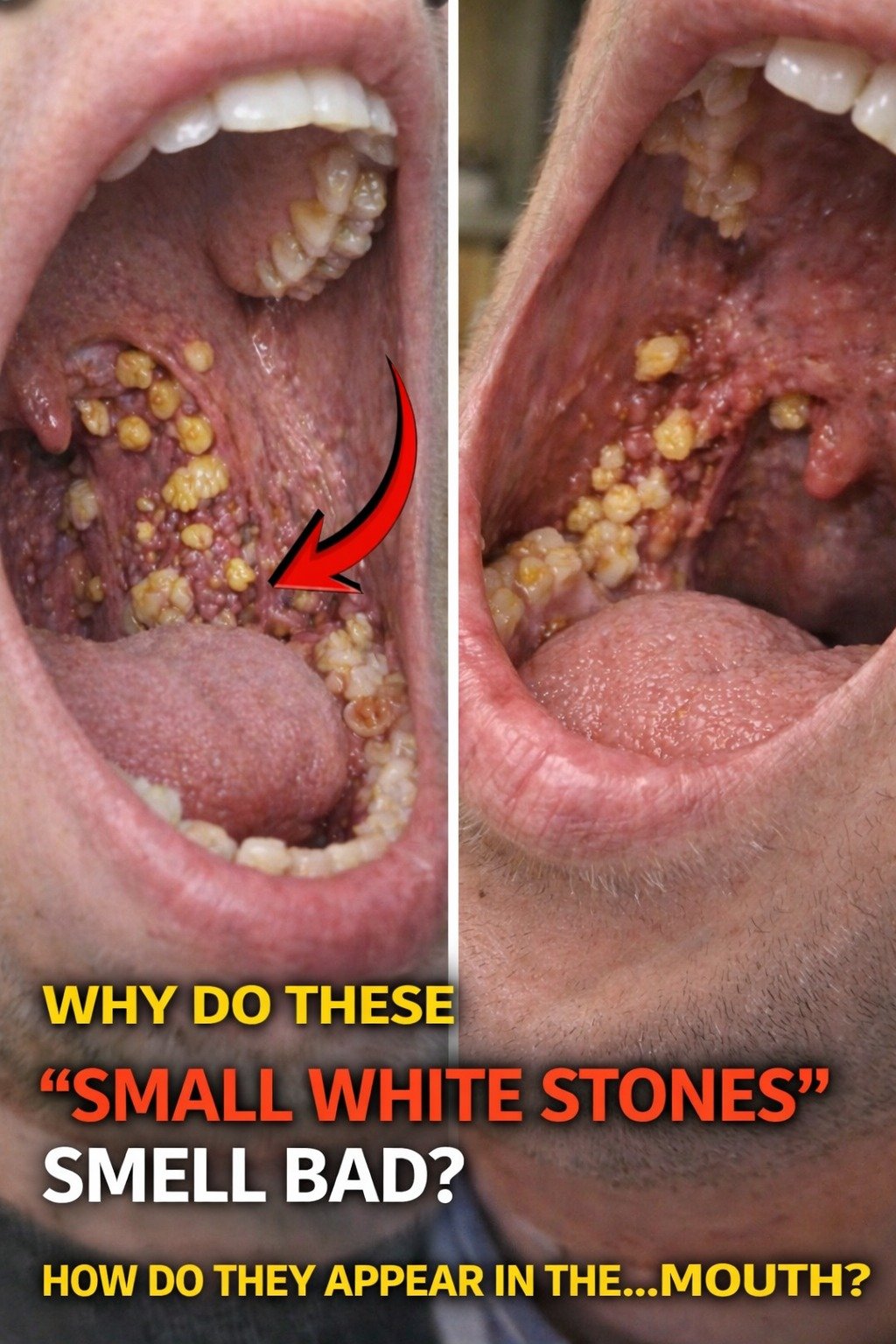
Have you ever coughed up or noticed tiny, white or yellowish bumps in the back of your throat that release a really unpleasant, rotten-like odor? These little formations, often called tonsil stones, can make your breath feel constantly off no matter how much you brush, leaving you feeling self-conscious and frustrated in social situations. The worst part is that foul smell seems to linger, and sometimes you even feel like something is stuck back there, adding to the discomfort. But here’s the good news: understanding what’s really happening can help you take simple steps to manage them better – and there’s one surprising daily habit that many people overlook which makes a big difference (keep reading to find out).
What Exactly Are Tonsil Stones?
Tonsil stones, medically known as tonsilloliths, are small, hard lumps that develop in the natural crevices or pockets of your tonsils – those soft tissues at the back of your throat that help fight infections. These pockets, called crypts, can trap bits of everyday stuff from your mouth.
Over time, this trapped material hardens into those pebble-like spots you might spot in the mirror. They’re usually white or yellowish and range from tiny specks to slightly larger pieces. Research from sources like the Cleveland Clinic shows they’re made up of hardened minerals (mainly calcium), along with food particles, dead cells, mucus, and bacteria.
But they’re not a sign of something dangerous in most cases – just an annoying buildup that happens more often in people with deeper tonsil pockets or a history of throat issues.
Why Do Tonsil Stones Smell So Terrible?
The bad smell is often the first (and most embarrassing) clue that something’s up. That foul, sulfur-like odor comes from bacteria breaking down the trapped debris. As bacteria feed on proteins in the mix of food bits, cells, and mucus, they release volatile sulfur compounds – the same stuff that makes rotten eggs or garbage smell bad.
Studies highlight that these compounds are a major contributor to persistent bad breath when tonsil stones are involved. Even small stones can harbor a lot of bacteria because the crypts provide a cozy, low-oxygen spot where anaerobic bacteria thrive and produce those smelly gases.
But that’s not all… the smell gets worse when stones dislodge or when you press on them, releasing more of the buildup at once.

How Do Tonsil Stones Form in the First Place?
Tonsil stones don’t appear overnight – it’s a gradual process tied to how your mouth works every day.
Your tonsils have natural folds and pockets designed to catch bacteria and viruses before they go deeper. Sometimes, though:
- Food particles (especially sticky ones like dairy or carbs)
- Dead skin cells from your mouth lining
- Mucus from post-nasal drip
- Bacteria that naturally live in your mouth
…get stuck in those pockets instead of being swallowed or cleared away.
Without good clearance, the mix sits there, dries out, and calcifies – turning soft gunk into hard stones. People with larger or more irregular tonsil crypts (often from past infections or just natural anatomy) are more prone to this. Dehydration or poor saliva flow can make it worse by reducing natural rinsing in your mouth.
Here’s what increases the chances:
- Frequent throat infections or inflammation
- Chronic sinus issues leading to more mucus
- Dry mouth from medications or breathing through your mouth
- Not staying hydrated enough throughout the day

Common Signs You Might Have Tonsil Stones
Beyond the smell, watch for these clues:
- Persistent bad breath that doesn’t improve with brushing
- A sore or irritated throat without other cold symptoms
- Feeling like something is lodged in your throat
- Occasional ear pain (from shared nerve pathways)
- Visible white spots on your tonsils when you open wide and shine a light
Many people only notice them when coughing one up or spotting them accidentally.

Safe Ways to Manage and Reduce Tonsil Stones at Home
While tonsil stones often clear on their own, you can encourage better mouth hygiene to minimize them. Here are some gentle, everyday approaches:
- Gargle with warm salt water – Mix about half a teaspoon of salt in a cup of warm water and gargle several times a day. This can help loosen debris and reduce bacteria.
- Stay hydrated – Drink plenty of water to keep saliva flowing, which naturally helps wash away particles.
- Brush and floss thoroughly – Pay extra attention to the back of your tongue and throat area to reduce overall bacteria.
- Use a gentle water flosser – On a low setting, direct it toward the tonsils to flush out pockets safely (avoid high pressure to prevent irritation).
- Try an alcohol-free mouthwash – It can help kill bacteria without drying your mouth.
These habits support your mouth’s natural defenses and may help stones dislodge or prevent new ones from forming.
Quick Comparison: Daily Habits That Help vs. Those That Might Worsen It
- Helps: Drinking water often, gargling salt water, good oral routine
- Might worsen: Dry mouth from caffeine/alcohol, skipping hydration, eating lots of dairy without rinsing

When to See a Professional
If tonsil stones keep coming back frequently, cause ongoing discomfort, or lead to swelling/redness, it’s worth chatting with a doctor or ENT specialist. They can check for underlying issues like chronic inflammation and discuss options if needed.
Final Thoughts
Those small white stones might seem mysterious and gross, but they’re a common result of debris getting trapped in your tonsils’ natural pockets, where bacteria turn it smelly and hard. By focusing on simple habits like staying hydrated and gentle gargling, many people notice fewer issues and fresher breath overall. The key “secret” habit? Consistent hydration – it keeps everything moving and prevents buildup more than you might think.
Frequently Asked Questions
What makes tonsil stones smell bad?
Bacteria in the stones break down trapped material, releasing sulfur compounds that create a foul odor similar to rotten eggs.

Can tonsil stones go away on their own?
Yes, small ones often dislodge naturally with swallowing, coughing, or gargling.
Are tonsil stones contagious or dangerous?
No, they’re not contagious and usually harmless, though they can be uncomfortable.
This article is for informational purposes only and is not a substitute for professional medical advice. If you’re concerned about symptoms in your mouth or throat, consult a qualified healthcare provider.