
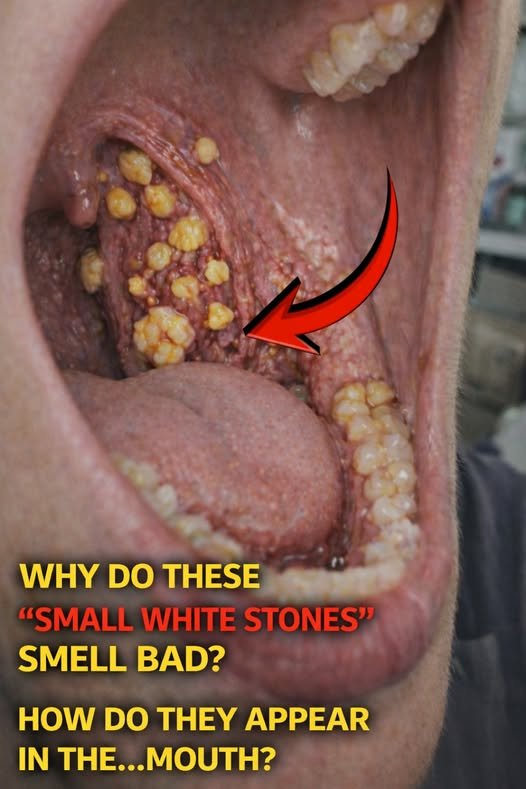
Have you ever noticed tiny, whitish-yellow lumps tucked in the back of your throat, only to be hit with an embarrassing wave of foul breath that no amount of brushing seems to fix? These small formations often leave people feeling self-conscious in conversations, avoiding close talks, or constantly popping mints without real relief. The discomfort builds when the odor lingers all day, affecting confidence and even social interactions. Many don’t realize these “stones” are a common issue tied to the tonsils, and understanding them can bring noticeable improvements in daily comfort.
What if a few straightforward habits could make a real difference in reducing their appearance and that persistent smell? Keep reading to uncover exactly what these are and practical steps you can start today.

What Exactly Are Tonsil Stones?
Tonsil stones, also known as tonsilloliths, are small, hardened deposits that develop in the natural crevices or pockets of the tonsils—the soft tissue pads located at the back of the throat. These pockets, called tonsillar crypts, trap everyday materials from your mouth.
Over time, trapped particles harden into visible lumps that look like little white or yellowish stones. Research from sources like Cleveland Clinic shows they consist mainly of calcium buildup along with other common elements found in the mouth. They’re usually small, about the size of a grain of rice or a bit larger, and many people have them without ever noticing.
Why Do Tonsil Stones Smell So Bad?
The strong, unpleasant odor is one of the most noticeable signs. Bacteria naturally present in the mouth thrive in these trapped spots. As they break down the collected material—food bits, dead cells, and mucus—they release volatile sulfur compounds.
These compounds produce a foul smell often compared to rotten eggs or something decaying. Studies indicate that this bacterial activity is the primary reason behind the persistent bad breath associated with tonsil stones. Even tiny stones can harbor enough bacteria to create noticeable halitosis that doesn’t respond well to regular oral care alone.

How Do Tonsil Stones Form in the Mouth?
Tonsil stones develop through a straightforward process tied to the tonsils’ structure. The tonsils have irregular surfaces with small folds and pockets designed to help trap harmful particles as part of the immune response.
- Food particles from meals get lodged in these crypts during swallowing.
- Dead cells from the lining of the mouth and throat mix in.
- Bacteria and mucus add to the buildup.
- Saliva and minerals like calcium cause the mixture to calcify and harden over days or weeks.
Certain factors make this more likely, such as deeper crypts from past infections, chronic inflammation, or simply having naturally larger tonsillar pockets. Dehydration can worsen it by reducing saliva flow, which normally helps flush debris away.
Common Signs You Might Have Tonsil Stones
Beyond the smell, other clues include:
- A sensation of something stuck in the throat
- Mild sore throat or irritation
- Occasional ear discomfort (due to shared nerve pathways)
- Visible white spots when looking in the mirror with good light
Not everyone experiences symptoms—some stones dislodge naturally without notice.

Simple Habits to Help Reduce Tonsil Stones
While tonsil stones are usually harmless, incorporating these everyday practices can help minimize their buildup and manage related issues like bad breath.
Here are practical steps many find helpful:

- Brush and floss thoroughly twice a day — Focus on the back of the tongue and throat area to remove bacteria and particles before they settle.
- Stay well-hydrated — Drink plenty of water throughout the day to keep saliva flowing and flush out debris.
- Gargle with warm saltwater — Mix about half a teaspoon of salt in a cup of warm water and gargle gently a few times daily. This can help loosen small stones and soothe irritation.
- Use a gentle oral irrigator — A low-pressure water flosser directed at the tonsils can dislodge trapped material without force.
- Consider an alcohol-free mouthwash — Rinse regularly to reduce bacterial levels in hard-to-reach spots.
Bonus Tip List: Quick Daily Routine Adjustments
- Clean your tongue with a scraper or your toothbrush each morning and night.
- Avoid dairy-heavy meals close to bedtime if you notice more buildup (some find it reduces mucus).
- Chew sugar-free gum to boost saliva production during the day.
These habits promote better oral environment balance and may decrease how often stones appear.
When to Consider Professional Advice
If stones become frequent, larger, or cause ongoing discomfort, speaking with a healthcare provider can provide personalized insights. In some cases, an ear, nose, and throat specialist might offer additional guidance on managing persistent issues.
Wrapping It Up: Take Control of Your Comfort
Tonsil stones are a widespread occurrence caused by trapped debris hardening in the tonsils, leading to that stubborn bad breath from bacterial byproducts. By understanding their formation and adopting simple daily habits like consistent oral hygiene, hydration, and gentle gargling, many people notice fewer occurrences and fresher breath over time.
Small changes can lead to big improvements in how your mouth feels and smells every day.
Frequently Asked Questions

What makes tonsil stones smell worse than regular bad breath?
The trapped bacteria produce specific sulfur gases that create a more intense, lingering odor compared to surface-level mouth bacteria.

Can tonsil stones go away without doing anything?
Yes, smaller ones often dislodge naturally through swallowing, coughing, or gargling, though consistent habits help prevent new ones.
Are tonsil stones a sign of poor hygiene?
Not necessarily—while good hygiene helps, some people develop them due to tonsil structure or past infections, even with excellent care.
Disclaimer: This article is for informational purposes only and not intended as medical advice. If you have concerns about your health, persistent symptoms, or discomfort, please consult a qualified healthcare professional for proper evaluation and guidance.
