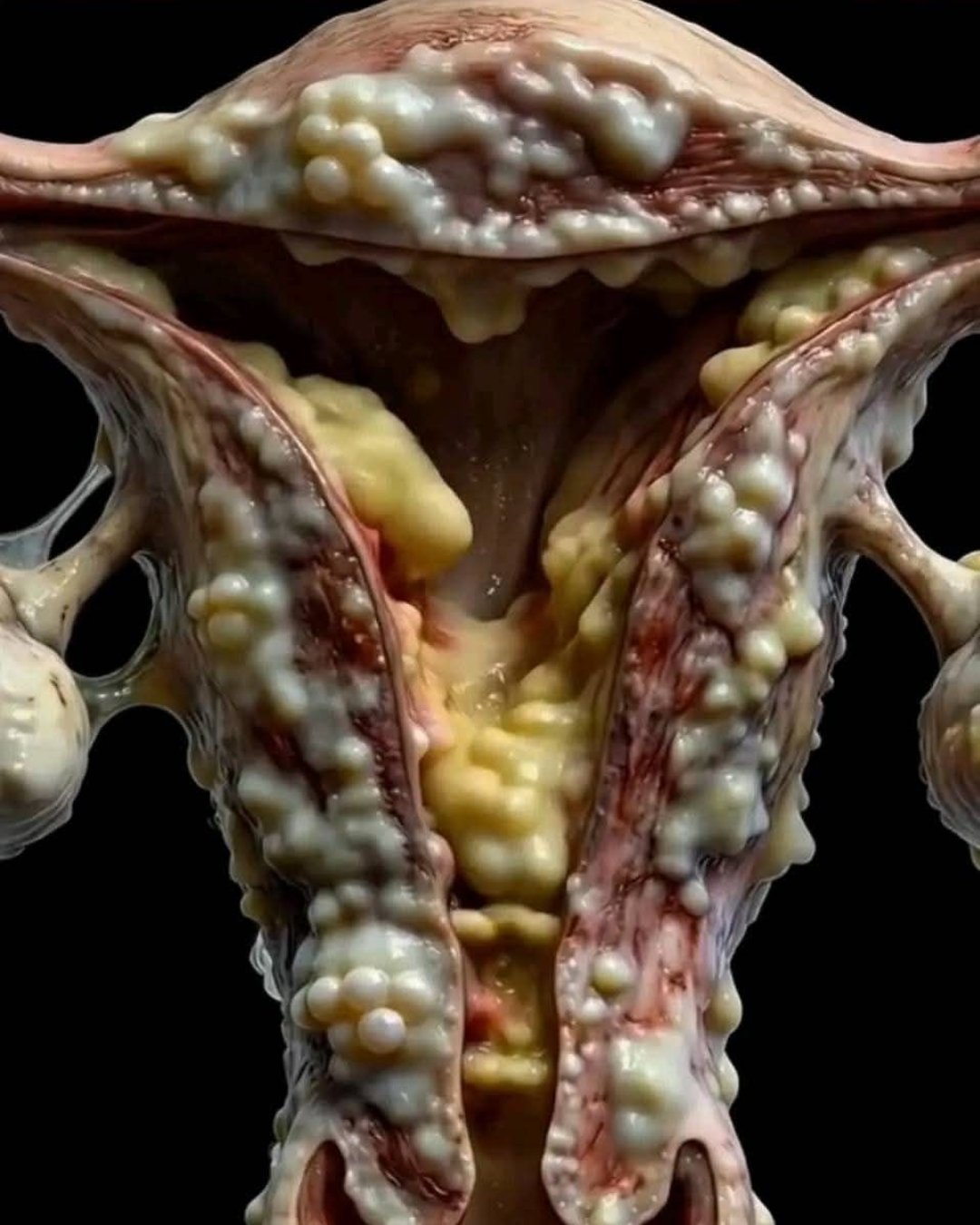
Why Do Some Women Have a Fishy Smell Down There? Top 5 Causes and How to Prevent It
Afishy vaginal odor can feel uncomfortable and worrying—but the truth is, it’s very common and usually easy to treat. Many women experience it at least once in their lives. The good news? In most cases, it’s caused by a simple imbalance or infection that can be fixed with the right care.
In this guide, you’ll learn what a fishy vaginal smell means, the top 5 causes, and how to prevent it.
What Is a Fishy Vaginal Smell?
A healthy vagina normally has a mild, slightly musky scent. This smell should not be strong, unpleasant, or long-lasting.
If you notice a persistent fishy odor, especially after intercourse or washing, it may be a sign that the natural balance of bacteria in the vagina has changed or that an infection is present.
A change in smell doesn’t mean you’re “dirty” or unhealthy—it usually means your vaginal environment needs a little attention.
Top 5 Causes of a Fishy Vaginal Odor
1. Bacterial Vaginosis (BV) – The Most Common Cause
Bacterial vaginosis (BV) is the most frequent reason for a fishy vaginal smell. It happens when the normal balance between “good” and “bad” bacteria in the vagina is disrupted.
Common symptoms include:
Strong fishy odor (often more noticeable after intercourse)
Thin, grayish or white discharge
Mild itching or irritation (sometimes no itching at all)
Why does it happen?
The vagina naturally contains helpful bacteria that keep the pH balanced. When certain bacteria grow too much, they outnumber the good ones and cause BV. This is not always a sexually transmitted infection, but sexual activity, new partners, or multiple partners can increase the risk.
How it’s treated:
BV is usually treated easily with medication prescribed by a healthcare professional. Once treated, the smell typically goes away.
2. Trichomoniasis (A Sexually Transmitted Infection)
Trichomoniasis is an STI caused by a parasite. It’s another common cause of a strong, unpleasant vaginal odor.
Symptoms may include:
Foul or fishy smell
Greenish or yellow discharge

Itching, burning, or discomfort
Sometimes pain during urination

Some people have no symptoms at all, which is why regular checkups are important if you’re sexually active.
How it’s treated:
Trichomoniasis is usually treated with specific medication. Both partners should be treated to prevent reinfection.
3. Poor Hygiene or Hygiene Mistakes
Sometimes, odor isn’t caused by an infection—but by disrupted vaginal pH due to hygiene habits.
Common mistakes include:
Using harsh soaps or body washes inside the vagina
Using scented sprays, wipes, or powders
Douching (this often does more harm than good)
Not washing the external area gently and regularly
The vagina is self-cleaning. Strong products can kill helpful bacteria and allow odor-causing bacteria to grow.
Better approach:
Wash only the external area with mild, unscented soap and water
Avoid douching and scented products
Keep the area dry and wear breathable underwear
4. A Forgotten Tampon or Menstrual Product
Leaving a tampon or menstrual product in for too long can lead to bacterial overgrowth and a very strong, unpleasant smell.

Signs this might be the cause:
Sudden, strong bad odor
Possible unusual discharge
Feeling that something is “off” internally
Prevention tips:
Change tampons and pads regularly
Set reminders if needed
If you suspect something is stuck, see a healthcare professional—don’t try to fix it forcefully yourself
Once the product is removed and the area is cleaned, the smell usually improves quickly.
5. Sweating, Tight Clothing, and Trapped Moisture
The genital area can get warm and moist, especially with tight clothes, synthetic underwear, or heavy sweating. This environment allows bacteria to grow more easily, which can lead to odor.
What helps:
Wear breathable cotton underwear
Avoid very tight pants for long periods
Change out of sweaty clothes as soon as possible
Keep the area clean and dry
While this type of odor is usually milder than infection-related smells, it can still be noticeable and uncomfortable.

How to Prevent a Fishy Vaginal Odor
Here are simple, effective habits that help keep things balanced:
✅ Clean gently: Wash only the outside area with mild, unscented soap
✅ Skip douching and scented products
✅ Practice safe sex and get regular checkups
✅ Change tampons and pads on time
✅ Wear breathable underwear
✅ See a doctor if odor is strong, persistent, or comes with other symptoms
When Should You See a Doctor?
You should get medical advice if:
The smell is strong and doesn’t go away
You have unusual discharge, itching, burning, or pain
The odor keeps coming back
You think you might have an infection
Getting checked early makes treatment easier and faster.
Final Thoughts
A fishy vaginal smell is common, treatable, and nothing to be ashamed of. In most cases, it’s caused by bacterial vaginosis, an infection, or simple hygiene issues. With the right care—and sometimes a short treatment—the problem usually clears up quickly.
Your body gives you signals when something is off. Paying attention and taking action is the best way to stay healthy and confiden