
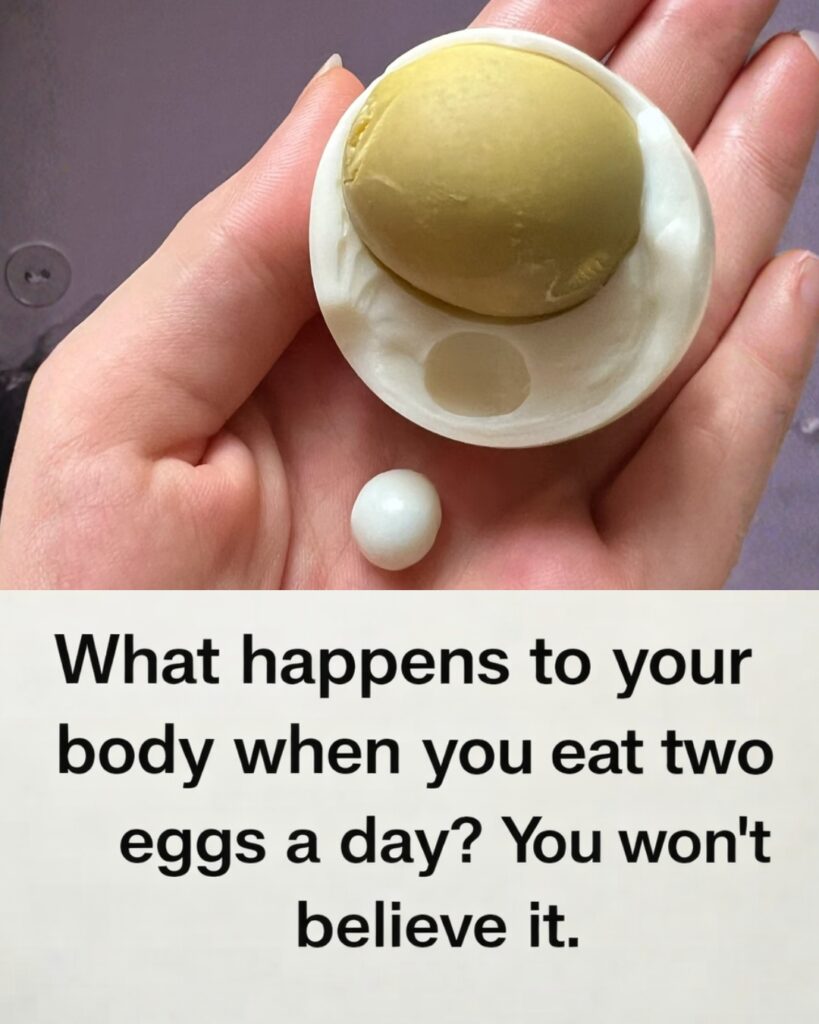
What Happens to Your Body When You Eat Two Eggs a Day? The Surprising Truth
Eggs have long been one of the most debated foods in nutrition. Some people consider them a “superfood,” while others worry about cholesterol and heart health. But modern research is revealing a more balanced picture.
So what actually happens if you eat two eggs a day? The results may surprise you. From improving brain function to supporting heart health, eggs can offer powerful benefits when eaten as part of a balanced diet.
Let’s explore what science says about eating two eggs daily.
1. Your Body Gets a Powerful Dose of High-Quality Protein
One of the biggest benefits of eggs is their complete protein content. A single egg contains about 6–7 grams of high-quality protein, meaning it provides all nine essential amino acids your body needs.
Protein plays several important roles:
Building and repairing muscle
Supporting immune function
Maintaining healthy skin, hair, and nails
Helping the body produce hormones and enzymes
Eating two eggs a day gives your body roughly 12–14 grams of protein, making them an excellent breakfast option for sustained energy. Research also suggests spreading protein intake throughout the day can help support muscle growth and recovery.
2. You May Feel Fuller and Eat Fewer Calories
Eggs are well known for their ability to increase satiety.
Studies show that people who eat eggs—especially at breakfast—often feel less hungry throughout the day, which can reduce overall calorie intake.
This happens because:
Eggs contain protein and healthy fats.
They slow digestion.
They help regulate hunger hormones like ghrelin.
For people trying to lose weight or control cravings, eating two eggs in the morning can be a simple but effective strategy.
3. Your Brain May Work Better
Eggs are one of the richest dietary sources of choline, a nutrient that many people do not get enough of.
Choline is essential for:
Memory and learning

Nervous system health
Production of acetylcholine (a neurotransmitter)

Some research suggests that regular egg consumption may even help reduce the risk of cognitive decline or dementia later in life.
Because the yolk contains most of the choline, eating whole eggs rather than just egg whites provides the greatest brain benefits.
4. Your Eyes Receive Important Protective Nutrients
Eggs contain two powerful antioxidants:
Lutein
Zeaxanthin
These compounds help protect the eyes from damage caused by blue light and oxidative stress.
Studies show they may help reduce the risk of:
Age-related macular degeneration
Cataracts
Vision decline with age
These antioxidants accumulate in the retina, where they support long-term eye health.
5. Your Cholesterol May Not Increase as Much as You Think
Eggs have often been criticized for their cholesterol content. A large egg contains about 185 mg of cholesterol.
However, recent research shows that dietary cholesterol from eggs has a limited impact on blood cholesterol for most people.
In fact:
The liver often compensates by producing less cholesterol when you eat eggs.
Eggs may increase HDL (“good”) cholesterol, which helps protect heart health.
Some studies even suggest that eating two eggs per day does not worsen cardiovascular risk markers in healthy adults.
The real culprit for high cholesterol is usually saturated fat from processed foods, not eggs themselves.

6. Your Blood Sugar May Stay More Stable
Eggs contain almost no carbohydrates, which means they have a minimal effect on blood sugar.
Because of this, eggs:
Prevent spikes in blood glucose
Provide long-lasting energy
Support metabolic health
For people with insulin resistance or diabetes, eggs can be a smart addition to a balanced meal.
7. Your Heart Health May Actually Benefit
Contrary to older beliefs, modern research shows that moderate egg consumption does not necessarily increase heart disease risk.
Large studies have found that eating eggs regularly is not associated with higher cardiovascular risk for most people.
Some research even suggests that regular egg consumption may be linked to lower cardiovascular mortality in healthy older adults.
Of course, the overall diet still matters. Eggs should be eaten alongside vegetables, whole grains, and healthy fats rather than processed meats.
8. You Get a Concentrated Source of Essential Nutrients
Two eggs contain an impressive range of nutrients, including:
Vitamin B12
Vitamin D
Selenium
Iron
Vitamin A
Healthy fats
Omega-3 fatty acids (in some eggs)
Because eggs provide so many nutrients in a relatively small amount of calories, they are often described as one of the most nutrient-dense foods available.
Who Should Be Careful With Eggs?
Although eggs are healthy for most people, some individuals should limit intake:

People with familial hypercholesterolemia
Those with advanced heart disease
Certain individuals with diabetes
Health experts generally recommend moderation and a balanced diet.
The Healthiest Ways to Eat Eggs
Not all egg preparations are equal. The healthiest cooking methods include:
Boiled eggs
Poached eggs
Lightly scrambled with minimal oil
Boiling is often considered the healthiest option because it preserves nutrients and avoids added fats.
Try pairing eggs with foods like:
Avocado
Whole-grain toast
Spinach or vegetables
Fresh fruit
Final Thoughts
Eating two eggs a day can be a nutritious habit for many people. Eggs provide high-quality protein, essential vitamins, and compounds that support brain, eye, and metabolic health.
Despite their long-standing reputation as a cholesterol concern, modern research suggests that eggs can fit comfortably into a healthy diet when eaten in moderation and combined with nutritious foods.
In fact, something as simple as adding two eggs to your daily routine may give your body a powerful nutritional boost.
