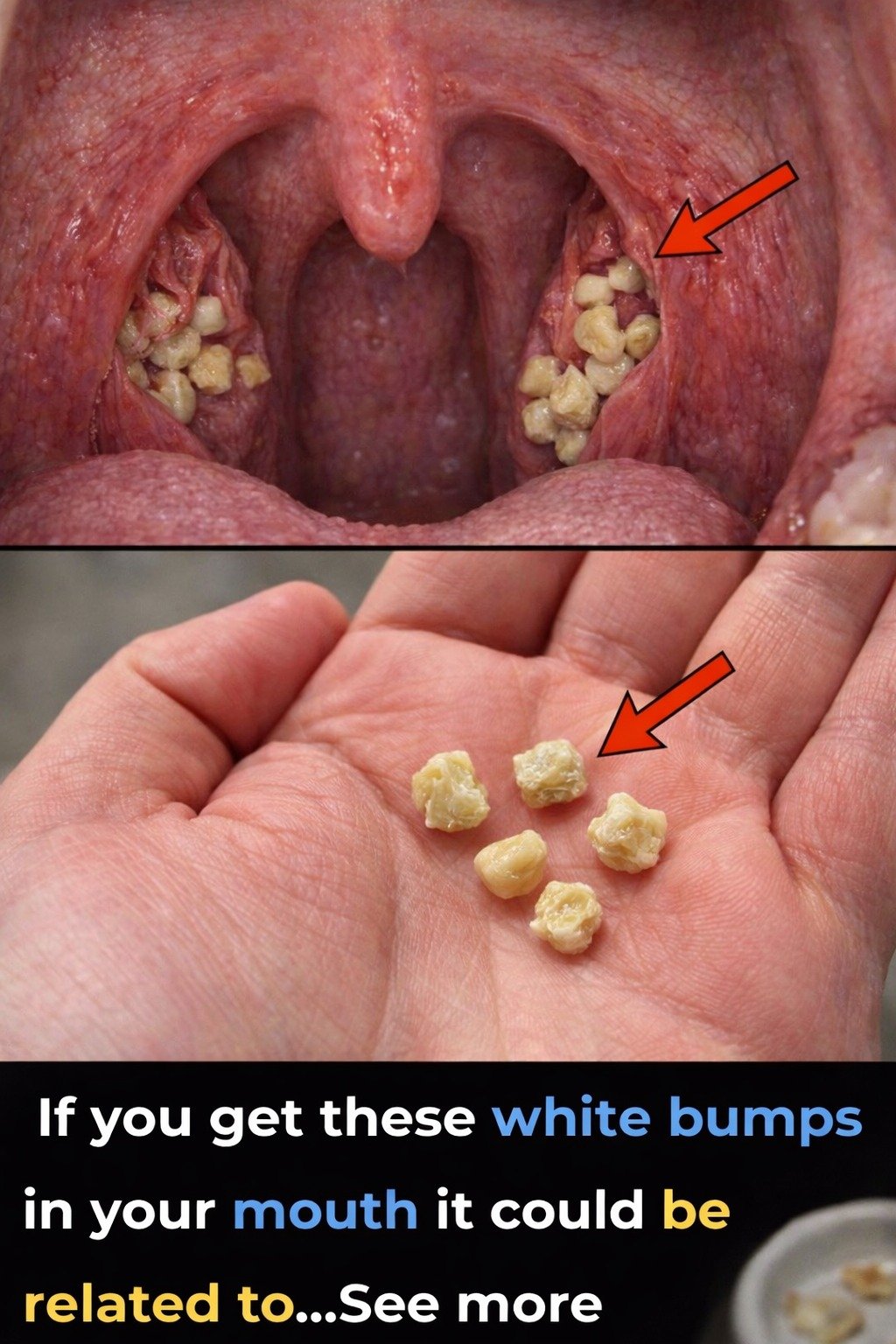
Those small, white or yellowish bumps you sometimes see (or feel) lodged in the pockets of your tonsils are very common — and in most cases, completely harmless. They’re usually tonsil stones (also called tonsilloliths or tonsillar calculi), and millions of people have them without ever knowing.
Here’s exactly what they are, why they form, the symptoms to watch for, and the simple daily habits that help prevent them or make them much less frequent.
What Are Tonsil Stones?
Tonsil stones are small, hard deposits that form in the crypts (natural pockets and crevices) of the tonsils at the back of your throat. They’re not actually stones — they’re calcified clusters made of:

- Dead cells
- Food debris
- Bacteria
- Mucus
- Calcium salts & other minerals
Over time, these materials get trapped, harden, and form small white/yellowish lumps (usually 1–5 mm, but can grow larger).
Common Signs You Have Tonsil Stones
- Visible white/yellow bumps on the tonsils (especially when you open your mouth wide and shine a light)
- Bad breath (halitosis) that doesn’t improve with brushing or mouthwash — often described as “rotten egg” or “sulfur-like” odor
- Sore throat or feeling like something is stuck in your throat
- Ear pain or referred pain (tonsils share nerve pathways with ears)
- Coughing up small, hard, foul-smelling bits (when a stone dislodges)
- Mild swelling or discomfort around the tonsils
Many people have no symptoms at all — they only notice when they see the bumps in a mirror or feel them with their tongue.
Everyday Habits That Cause or Worsen Tonsil Stones
- Poor oral hygiene — bacteria and food debris build up in tonsil crypts.
- Chronic post-nasal drip — mucus from sinuses drips down and gets trapped.
- Dry mouth (dehydration, mouth breathing, certain medications) — less saliva means less natural cleansing.
- Dairy-heavy diet — can increase mucus production in some people.
- Frequent tonsillitis or throat infections — enlarges crypts, making stones more likely.
- Smoking or vaping — irritates tonsils and increases debris buildup.
Simple Daily Habits to Reduce or Prevent Tonsil Stones
- Brush & floss thoroughly twice daily — especially the back of the tongue (tongue scraper helps remove bacteria).
- Gargle with warm salt water — ½ tsp salt in 250 ml warm water, 2–3 times/day → loosens debris and reduces bacteria.
- Stay well-hydrated — 2.5–3 L water/day → keeps saliva flowing and crypts cleaner.
- Use an alcohol-free mouthwash (especially antiseptic types with chlorhexidine or essential oils).
- Try a water flosser (Waterpik) on low pressure → gently flushes tonsil crypts without irritation.
- Avoid dairy before bed — reduces overnight mucus buildup in some people.
- Sleep with head slightly elevated — helps reduce post-nasal drip.
When to See a Doctor
Most tonsil stones are harmless and can be managed at home.
But contact a doctor or ENT specialist if:
- Stones are very large or painful
- You have frequent throat infections or tonsillitis
- Persistent bad breath despite good hygiene
- Swollen tonsils + fever (possible infection)
- Difficulty swallowing or breathing
In rare cases, chronic tonsil stones may lead to recommendation for tonsillectomy (tonsil removal) if they cause repeated infections or severe discomfort.

Bottom Line
Those white bumps in your throat are almost always tonsil stones — calcified debris in tonsil crypts. They’re usually harmless, but they can cause bad breath and mild discomfort. The best prevention is simple daily oral hygiene + hydration + salt gargles.
Most people can significantly reduce or eliminate tonsil stones with these habits within 1–4 weeks.
Quick Start Tonight
- Gargle with warm salt water for 30–60 seconds before bed.
- Brush your tongue gently.
- Drink a full glass of water.
- Check your tonsils in a mirror tomorrow morning (good lighting, say “ahhh”).
One small habit.
Fresher breath & cleaner tonsils.
Many people wish they had known this sooner.

Disclaimer
This article is for informational purposes only and is not medical or dental advice. Persistent tonsil stones, frequent throat infections, difficulty swallowing, or any concerning symptom require evaluation by a doctor or ENT specialist. Tonsil stones can sometimes indicate underlying issues (chronic tonsillitis, tonsillar abscess, etc.). Never attempt to remove large or deeply embedded stones yourself — risk of bleeding or infection. Personalized medical guidance is essential.
I really appreciate 🙏 and I need treatment for this, because it actually give me hard time to even open my mouth