
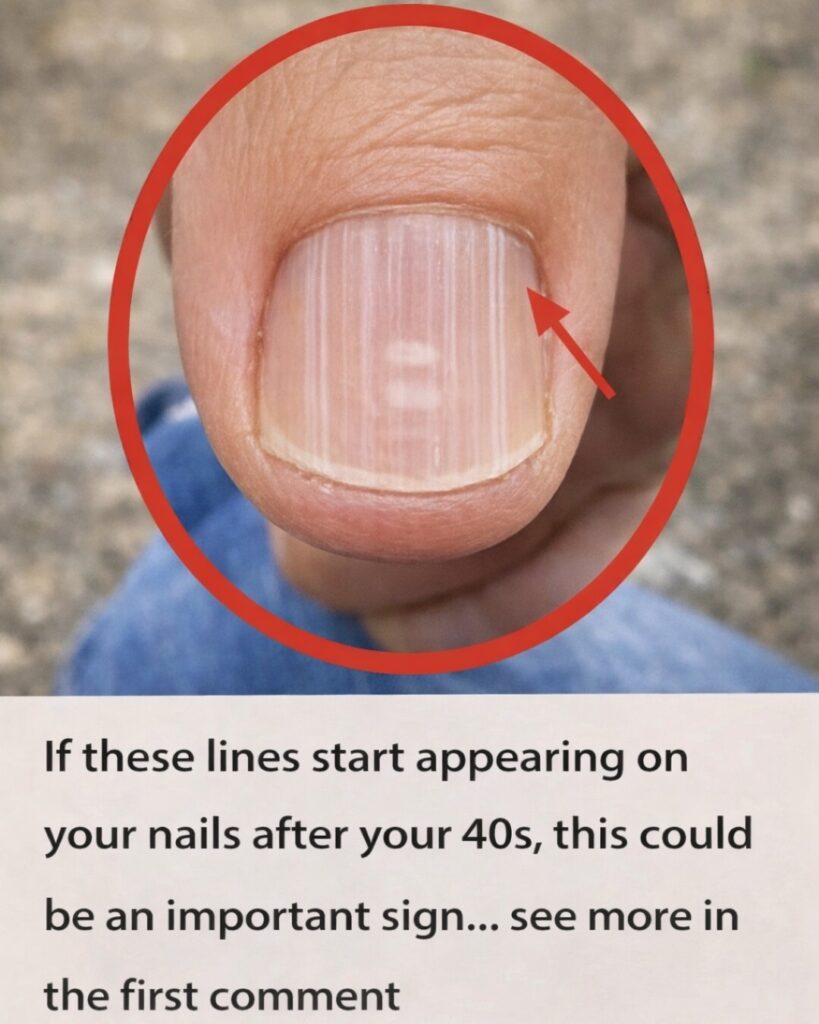
Have you noticed those subtle vertical lines appearing on your fingernails as you’ve passed the age of 40? Many people do, and while they often feel like just another unwelcome sign of getting older, they can sometimes leave you wondering if something more is going on inside your body. These changes are common and usually harmless, but paying attention to them helps you stay on top of your overall health. In this guide, we’ll explore what causes these lines, when they deserve a closer look, and simple steps you can take to support healthier nails moving forward. Stick around until the end for practical tips that might make a noticeable difference in how your nails look and feel.
What Are Vertical Lines on Nails?
Vertical lines on nails, often called longitudinal ridges, are grooves or raised lines that run from the base near the cuticle straight down to the tip of the nail. They can be faint or more pronounced, and their appearance tends to become more noticeable over time.
Research shows that as we age, the nail matrix—the area under the cuticle where new nail cells form—experiences slower cell turnover. This natural shift affects how keratin, the main protein in nails, is produced and distributed. Just like fine lines appear on skin or hair becomes thinner, nails can develop these ridges as part of normal aging. In most cases, they remain smooth to the touch or only slightly bumpy, without causing pain or other issues.
Main Causes of Vertical Nail Ridges After 40
The good news is that vertical ridges are frequently benign, especially when they appear gradually with age. But understanding the common triggers can help ease your mind or alert you to potential adjustments in your routine.
Natural aging tops the list as the most frequent reason. Studies from sources like Mayo Clinic and Cleveland Clinic confirm that vertical ridges often increase in number and prominence due to changes in cell regeneration within the nail matrix. These age-related ridges are typically harmless and don’t require intervention.
Dryness plays a big role too. Over time, nails lose moisture more easily, becoming brittle and making existing ridges stand out. Everyday habits like frequent handwashing, using harsh soaps, or exposure to cleaning products strip away protective natural oils, worsening the appearance.
Nutritional factors can contribute as well. Certain deficiencies may weaken nail structure and make ridges more visible. Key nutrients often linked to nail health include:
- Biotin (vitamin B7), which supports keratin production
- Iron, important for oxygen delivery to nail tissues
- Zinc, which aids in cell growth and repair
- Magnesium, involved in overall protein synthesis
After 40, absorption of these nutrients can become less efficient, even if your diet seems balanced. Research indicates that low levels in these areas sometimes correlate with more noticeable nail changes.
In some instances, vertical ridges may connect to broader health patterns. For example, thyroid imbalances like hypothyroidism can lead to brittle, ridged nails, often alongside symptoms such as fatigue, hair thinning, or feeling unusually cold. Poor circulation or certain autoimmune conditions might also play a part, though these are less common causes.
But that’s not all—lifestyle elements like dehydration or repeated nail trauma from aggressive manicures can amplify the ridges you already have.
When Should You See a Doctor?

Most vertical ridges don’t signal trouble, but certain red flags warrant prompt attention from a healthcare professional. Watch for these changes:
- A sudden dark streak or band of discoloration running vertically
- Frequent splitting, thickening, or peeling of the nail
- Pain, swelling, redness, or inflammation around the nail bed
These could point to issues like a fungal infection, injury, or—in rare cases—something more serious such as subungual melanoma, a form of skin cancer that develops under the nail. Early evaluation makes a big difference, so don’t hesitate to get it checked if anything feels off or appears abruptly.
How to Support Your Nail Health as You Age
The encouraging part is that everyday habits can help your nails stay stronger and smoother. Here’s a practical, step-by-step approach you can start today:
- Moisturize consistently—apply a hand cream or cuticle oil right after washing hands or showering to lock in hydration.
- Stay hydrated from the inside—aim for plenty of water throughout the day to prevent overall dryness.
- Focus on nutrient-rich foods—include options like eggs, nuts, leafy greens, lean meats, and whole grains to provide biotin, iron, zinc, and other supportive nutrients.
- Be gentle with your nails—avoid using them as tools, limit harsh chemicals, and skip over-filing or aggressive buffing.
- Consider talking to your doctor about supplements—if diet alone isn’t enough, they can guide you on whether something like biotin might be appropriate for you.
Consistency with these steps often leads to noticeable improvements over weeks or months, helping reduce brittleness and making ridges less prominent.
Conclusion
Vertical lines on your nails after 40 are usually just a normal part of aging, reflecting slower cell turnover and changes in keratin distribution. In the majority of cases, they’re nothing to worry about and respond well to basic care. However, staying aware of accompanying symptoms or sudden changes empowers you to catch anything unusual early and maintain peace of mind.
Frequently Asked Questions
Are vertical nail ridges always a sign of a problem?
No, they’re often a benign result of aging and become more common after 40, according to experts at Mayo Clinic and other health resources.
Can nutritional changes really help with nail ridges?
Supporting your intake of key nutrients through food or guided supplementation may improve nail strength and appearance, though it won’t eliminate age-related ridges entirely.
When do vertical lines differ from something more serious like melanoma?
Benign ridges are typically light-colored grooves without discoloration, while concerning lines often involve dark pigmentation, irregular borders, or other symptoms—always consult a doctor for personalized assessment.
Disclaimer: This article is for informational purposes only and is not a substitute for professional medical advice. If you’re concerned about changes in your nails or health, please consult a qualified healthcare provider for proper evaluation and guidance.
