
Trench Composting: Everything You Need to Know
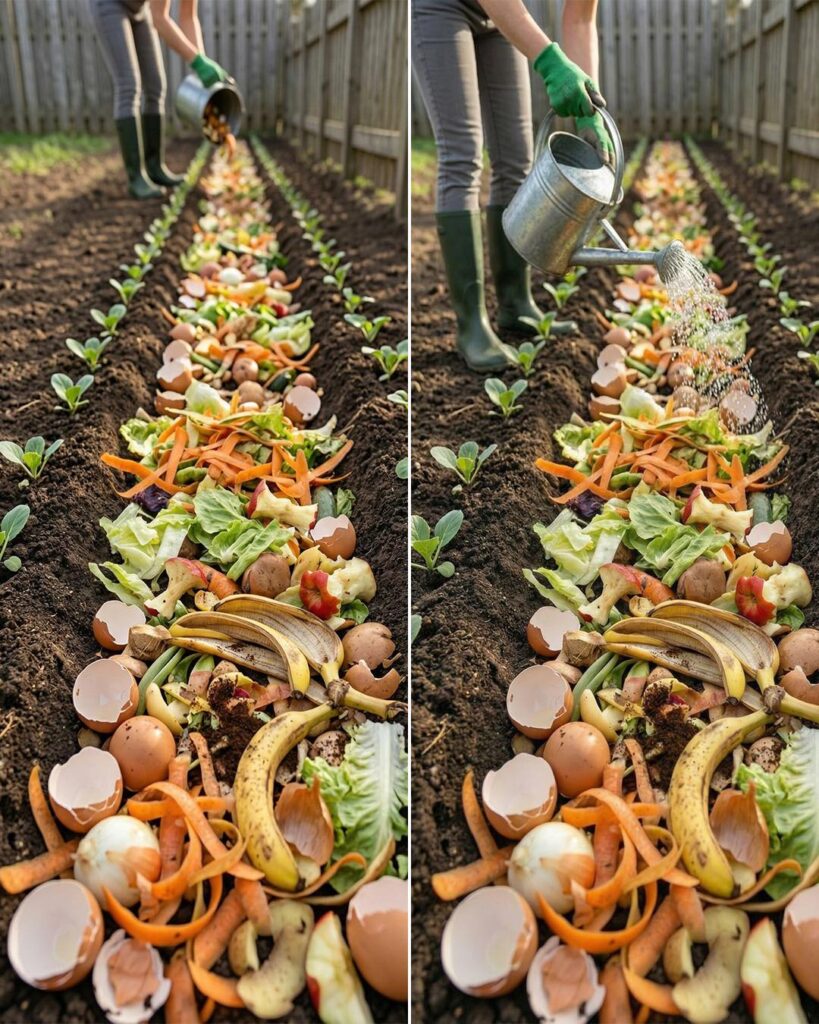
Trench composting is one of the simplest ways to improve garden soil while getting rid of kitchen and garden waste at the same time. Instead of building a compost pile, you bury organic matter directly in the ground and let worms, fungi, bacteria, and moisture break it down naturally. The result is richer soil, better moisture retention, and a slow release of nutrients exactly where plants can use them.
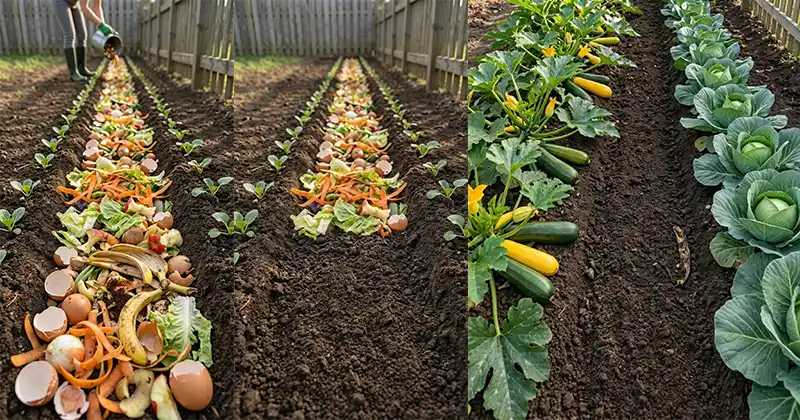
It is popular because it is easy, low-maintenance, and discreet. There is no turning, no compost bin to manage, and very little smell when it is done properly. For small gardens, vegetable beds, and anyone who wants a quiet, practical composting method, trench composting is a very good choice.
Why People Use Trench Composting
The main purpose of trench composting is to feed the soil directly. Buried organic matter improves soil structure, helps sandy soil hold water better, loosens heavy clay, and encourages earthworms and beneficial microbes. It also reduces household waste and gives gardeners a simple alternative to surface compost piles.
Another reason people choose it is convenience. If you do not want a visible compost heap, or if you do not have enough dry material to balance a regular pile, trench composting can be much easier.
What You Can Use
The best materials are soft, natural scraps that break down fairly quickly. Good choices include fruit and vegetable peels, coffee grounds, tea leaves, crushed eggshells, dead flowers, soft green weeds without seeds, lettuce, plant trimmings, and chopped leaves. Small amounts of shredded paper or cardboard can also be added if they are plain and not glossy.
Smaller pieces always work better than large ones. Chopping scraps helps them decompose faster and reduces the chance of smells or pests.
What You Should Not Use
Do not bury meat, fish, bones, dairy products, oils, greasy foods, or cooked leftovers with sauce or fat. These are the materials most likely to attract rats, raccoons, dogs, cats, and other scavenging animals. They also create stronger odors and break down poorly underground.

You should also avoid pet waste, diseased plant material, invasive weeds, and weeds full of seeds. Thick woody stems and large branches are usually too slow to be useful unless broken down very finely.
How to Make a Trench
A basic trench should be about 8 to 12 inches deep. That depth is enough to hide the material well, limit smell, and keep most animals from noticing it. The trench can be a straight row, a circle, or a small pit, depending on your garden layout.
Place the scraps in the bottom of the trench and spread them in a loose layer. Do not pack them tightly. A layer that is too dense can decompose slowly and create soggy pockets. After adding the material, cover it with at least 6 to 8 inches of soil. Firm the soil gently and water lightly if the ground is very dry.
That is all. Once buried, the soil life takes over.
How to Avoid Rats and Other Animals
This is one of the most important parts of trench composting, and it depends mostly on what you bury and how well you bury it.
First, never add meat, dairy, grease, or oily food. These are the biggest pest attractors. Stick to fruit, vegetable, and plant-based scraps.
Second, dig deep enough. Shallow trenches are one of the main reasons animals find buried waste. A trench that is at least 8 to 12 inches deep is much safer than a shallow one.
Third, cover the scraps completely with soil. Do not leave any food exposed near the surface. Even a little exposed material can attract attention.

Fourth, avoid burying very large amounts in one small spot. A huge concentration of fresh scraps can create stronger odors. It is better to spread material out or use several trenches over time.
Fifth, chop scraps before burying them. Smaller pieces break down faster and are less likely to sit underground long enough to attract pests.
If animals are a serious problem in your area, you can also place a layer of plain soil, then a few dry leaves, then more soil over the trench for extra cover. Keeping the area mulched can also help hide any scent.
When to Use It
Trench composting works whenever the soil can be dug. Many gardeners do it in fall to prepare beds for spring planting, but it can also be done during the growing season in empty spaces, between rows, or in future planting areas.
It is especially useful before growing heavy-feeding crops such as squash, pumpkins, cucumbers, tomatoes, corn, and melons.
When and How to Plant Afterward
Do not plant directly into fresh buried scraps right away. During early decomposition, soil microbes use nitrogen, and this can temporarily reduce what young plants can access. Fresh scraps can also generate heat and uneven settling.
A safe guideline is to wait at least 2 to 6 weeks before planting near or above a trench. In cool weather, or when the scraps are coarse and plentiful, wait longer.
For immediate planting, keep seeds and seedlings about 6 to 12 inches away from a fresh trench. After a few weeks, once decomposition has started, you can plant more closely. If the trench was prepared well in advance, the area above it can become an excellent planting zone.

When planting, make sure the topsoil is stable and crumbly. If the ground has sunk, level it first. Then plant as usual and add mulch to help keep moisture even.
Common Mistakes
The most common mistake is burying the wrong materials. The second is making the trench too shallow. Another mistake is planting too soon, before the buried material has had time to break down. Overfilling the trench is also a problem because the soil may sink a lot later. Large uncut scraps slow everything down, so chopping is always worth it.
Trench composting is not flashy, but it is one of the most practical composting methods a gardener can use. Done properly, it is clean, simple, and very effective. Bury the right materials, keep the trench deep, cover it well, give it time, and your soil will steadily become richer, looser, and more productive.
