
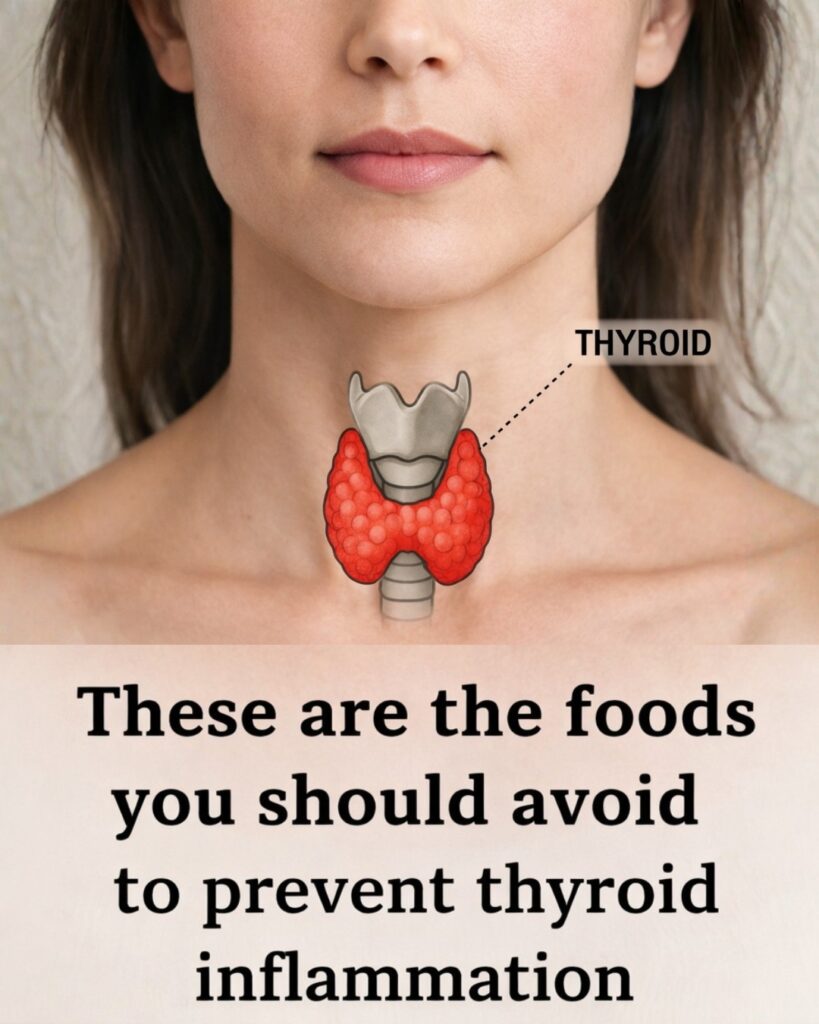
Top Foods to Avoid for Thyroid Health (Prevent Inflammation & Dysfunction)
The thyroid gland plays an essential role in regulating metabolism, energy levels, weight management, and hormone balance. Certain foods can promote inflammation or interfere with thyroid function, especially in people with conditions like hypothyroidism or autoimmune thyroid disease. Understanding which foods to limit or avoid can help support better thyroid health and overall well-being.
1. Goitrogenic Vegetables (When Eaten Raw or in Excess)
Goitrogens are naturally occurring compounds that can interfere with iodine absorption — a mineral critical for thyroid hormone production. Common goitrogenic vegetables include:
Broccoli
Cabbage
Cauliflower
Brussels sprouts
Kale

Radishes

While these vegetables are nutritious, large amounts eaten raw might impact thyroid function in some individuals. Cooking them reduces goitrogenic activity and makes them less likely to cause issues.
2. Soy and Soy Products
Soy contains isoflavones, which may interfere with how the thyroid absorbs iodine and can affect hormone activation. Soy foods you may want to limit include:
Tofu
Soy milk
Edamame
Soy sauce

For individuals taking thyroid medication, soy can also interfere with absorption if consumed too close to dosing.
3. Gluten (For Sensitive or Autoimmune Individuals)
Gluten, a protein found in wheat, barley, and rye, may trigger inflammation in people with celiac disease or gluten sensitivity. In autoimmune thyroid conditions like Hashimoto’s thyroiditis, gluten can sometimes worsen chronic inflammation and symptoms, so many clinicians recommend limiting gluten in these cases.
4. Refined Sugars and Processed Carbs
Foods high in added sugars and refined carbohydrates can promote systemic inflammation, which may negatively impact thyroid function and metabolism. These include:
White bread
Cakes and pastries
Cookies
Sweetened cereals

Processed carbs can spike blood sugar and increase insulin resistance, both of which stress the body and can worsen inflammation.
5. Refined Vegetable Oils and Unhealthy Fats
Many common cooking oils like corn, soybean, and sunflower oil contain high amounts of omega-6 fatty acids. Excess omega-6 — without enough omega-3 balance — may contribute to inflammation. Choosing healthier fat sources such as olive oil, nuts, seeds, and avocado can help reduce inflammatory load.
6. Excessive Caffeine and Alcohol
Overconsuming caffeine or alcohol can disrupt hormonal balance and elevate inflammatory markers. Coffee and energy drinks, if not moderated, may interfere with thyroid function and medication absorption. Alcohol can also affect metabolism and the endocrine system if consumed in high volumes.
Final Thoughts
Avoiding or limiting these foods doesn’t mean you must eliminate them entirely. For most people, the goal is balance and moderation. When combined with nutrient-dense whole foods — like vegetables, lean proteins, healthy fats, and antioxidant-rich fruits — reducing inflammatory and processed foods can support thyroid health over the long term.
If you suspect a thyroid disorder, get blood tests and personalized dietary advice from a qualified healthcare provider before making major diet changes.
