
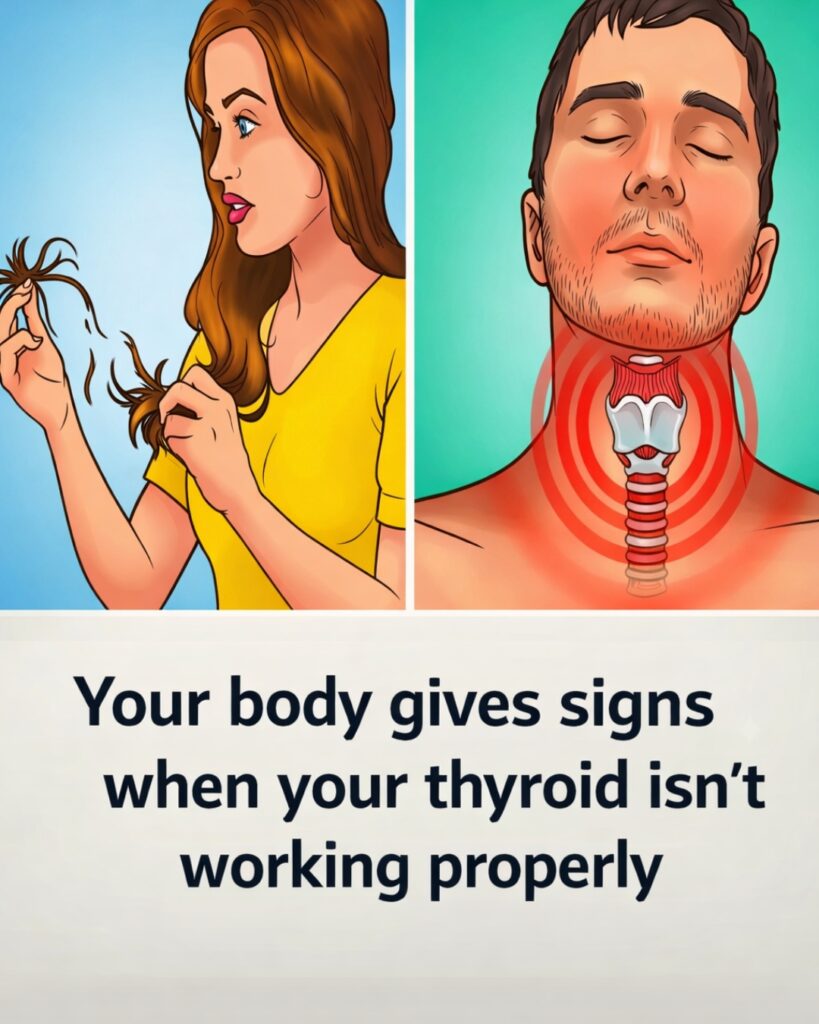
Thyroid Warning Signs: How Your Body Signals When the Thyroid Is Not Working Properly
The thyroid is a small butterfly-shaped gland located in the front of the neck. Despite its small size, it plays a vital role in regulating the body’s metabolism and hormone balance. The thyroid produces hormones known as T3 (triiodothyronine) and T4 (thyroxine), which influence heart rate, body temperature, digestion, and energy levels.
When the thyroid does not function properly, many systems in the body can be affected. Some people develop hypothyroidism (underactive thyroid), while others may experience hyperthyroidism (overactive thyroid). Both conditions can cause noticeable symptoms that should not be ignored.
In this article, you will learn the most common warning signs of thyroid imbalance, possible causes, and when to seek medical attention.
What Is the Thyroid and Why Is It Important?
The thyroid gland belongs to the endocrine system and is responsible for producing hormones that regulate metabolism. These hormones control how the body uses energy and influence several vital processes such as:
Heart rate
Body temperature
Digestive function
Brain activity and concentration
Skin, hair, and nail health
Because thyroid hormones affect so many organs, even small imbalances can cause noticeable changes throughout the body.
Common Signs Your Thyroid May Not Be Working Properly
When thyroid hormone levels become too high or too low, the body begins to show warning signs. Recognizing these symptoms early can help prevent more serious health problems.
1. Persistent Fatigue
Constant tiredness is one of the most common symptoms of thyroid imbalance.
When the thyroid produces too little hormone (hypothyroidism), the body’s metabolism slows down, causing:
Low energy levels
Excessive sleepiness
Difficulty concentrating
Even after sleeping well, people may still feel exhausted.
2. Sudden Weight Changes
Unexpected weight gain or loss can be linked to thyroid problems.
Hypothyroidism: slower metabolism may lead to weight gain.
Hyperthyroidism: increased metabolism can cause unexplained weight loss.
These changes may occur even when diet and exercise habits remain the same.
3. Mood Changes and Irritability
Hormonal imbalances can affect brain chemistry and emotional well-being.
People with thyroid dysfunction may experience:
Anxiety

Irritability
Depression
Mood swings

These symptoms may appear gradually and worsen over time.
4. Hair Loss and Dry Skin
Thyroid hormones help maintain healthy skin and hair.
When levels become abnormal, people may notice:
Dry or rough skin
Thinned hair
Hair loss
Brittle nails
These symptoms are especially common in hypothyroidism.
5. Sensitivity to Cold or Heat
The thyroid regulates body temperature.
Symptoms may include:
Feeling unusually cold (hypothyroidism)
Heat intolerance and excessive sweating (hyperthyroidism)
These temperature sensitivities occur because metabolism is directly influenced by thyroid hormones.
6. Digestive Changes
Thyroid dysfunction can affect digestion and bowel movements.
Common signs include:
Constipation when metabolism slows
Diarrhea when metabolism speeds up
This happens because thyroid hormones influence intestinal activity.
7. Heart Rate Changes
Thyroid hormones help regulate the cardiovascular system.
Possible symptoms include:
Slow heart rate in hypothyroidism
Rapid heartbeat or palpitations in hyperthyroidism

These changes can affect overall cardiovascular health.
8. Swelling in the Neck
Sometimes the thyroid gland enlarges, creating a visible swelling known as goiter.
Symptoms may include:
Swelling in the neck
Difficulty swallowing
Hoarseness or voice changes
This may occur due to inflammation or thyroid nodules.
Types of Thyroid Disorders
There are several thyroid conditions that may cause these symptoms.
Hypothyroidism
Occurs when the thyroid produces too little hormone, slowing down metabolism.
Common symptoms:
Fatigue
Weight gain
Dry skin
Constipation
Sensitivity to cold
Hyperthyroidism
Occurs when the thyroid produces too much hormone, speeding up metabolism.
Symptoms include:
Weight loss
Nervousness
Tremors
Rapid heartbeat
Insomnia
Thyroid Nodules
Some people develop lumps or nodules in the thyroid gland. These may be benign or, rarely, cancerous. Large nodules can cause swallowing difficulties or neck discomfort.

Possible Causes of Thyroid Problems
Several factors can contribute to thyroid disorders, including:
Iodine imbalance in the diet
Autoimmune diseases (such as Hashimoto’s thyroiditis)
Genetics or family history
Hormonal changes
Certain medications
In many cases, thyroid disorders develop slowly and may go unnoticed at first.
How Thyroid Problems Are Diagnosed
Doctors typically diagnose thyroid disorders through:
Physical examination
Blood tests measuring TSH, T3, and T4 hormones
Ultrasound imaging of the thyroid gland
These tests help determine whether the thyroid is overactive or underactive.
When to See a Doctor
If you notice several of the symptoms listed above—especially fatigue, weight changes, or neck swelling—it is important to consult a healthcare professional.
Early diagnosis allows doctors to provide treatments such as:
Hormone replacement therapy
Medication to regulate hormone production
Monitoring of thyroid nodules
Ignoring symptoms may lead to complications affecting metabolism, heart health, and overall well-being.
Conclusion
The thyroid gland plays a crucial role in regulating metabolism and maintaining hormonal balance throughout the body. When it does not function properly, the body often sends warning signals such as fatigue, weight changes, mood disturbances, digestive issues, or temperature sensitivity.
Recognizing these signs early can help individuals seek medical advice and receive appropriate treatment. Maintaining a balanced diet, managing stress, and attending regular medical check-ups can also help support thyroid health.
Understanding your body’s signals is the first step toward protecting your overall health.
