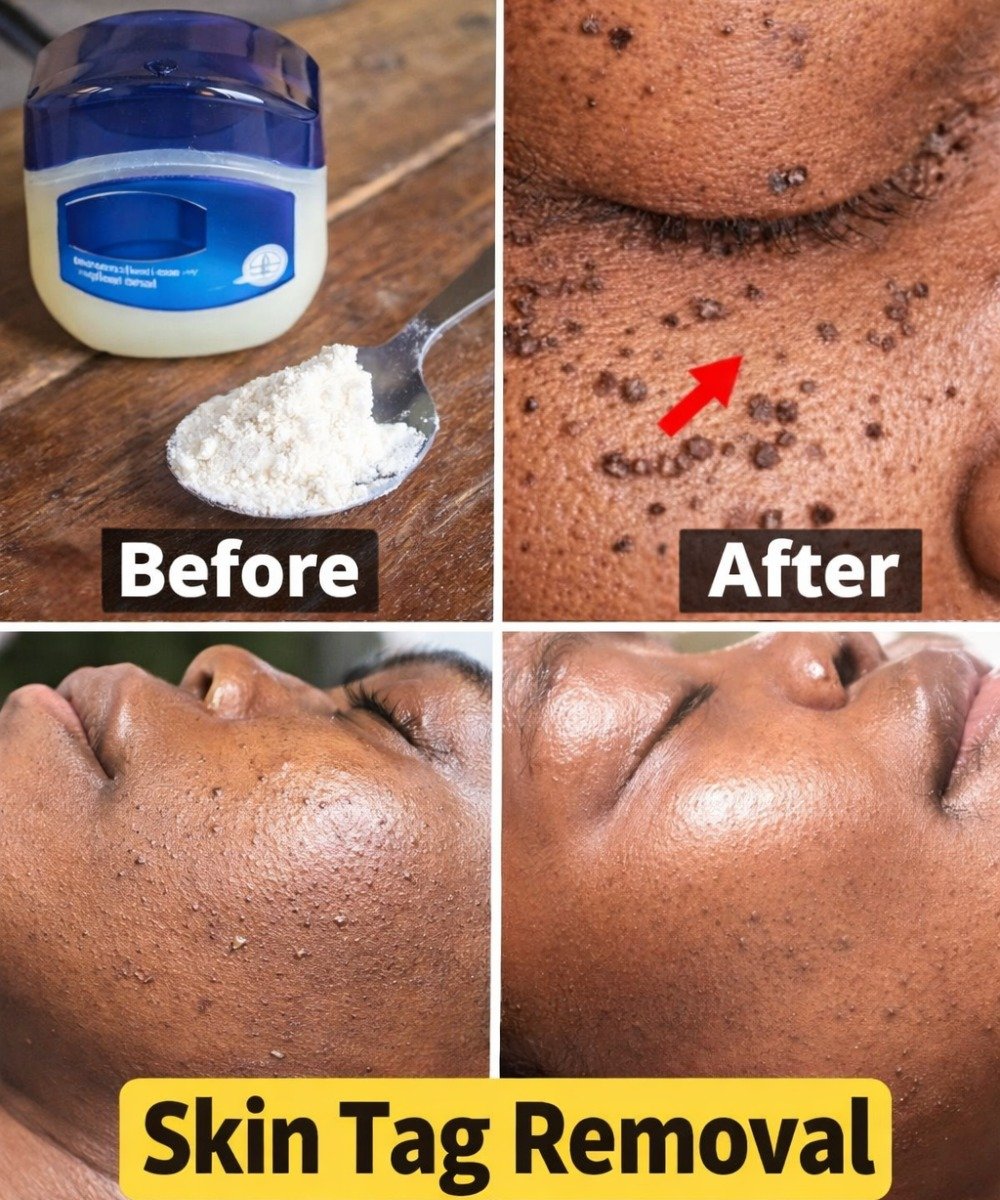
Those tiny, hard white bumps that appear around your eyes or cheeks can be incredibly frustrating. You cleanse diligently, yet they linger, making your skin feel uneven and affecting how makeup sits. Many people mistake them for acne and try the usual treatments—only to see no improvement, or even worse irritation.
The good news? These are often milia, a common skin concern with specific causes and gentle management options. Stick with me—by the end, you’ll know exactly why certain popular “fixes” can backfire and what evidence-based steps can help you achieve smoother-looking skin.
What Exactly Are Milia? (And Why They’re Not Acne)
Milia are small cysts formed when keratin—a protein naturally found in skin—gets trapped beneath the surface. Unlike acne, which involves oil, bacteria, and inflammation in pores, milia have no opening to the surface. That’s why squeezing or popping them rarely works and often leads to redness or scarring.
Research from the American Academy of Dermatology notes that milia affect people of all ages, but they become more common after 30 as skin cell turnover naturally slows. Heavy creams, sun damage, or even minor skin trauma can contribute to their formation.
Here’s the thing: understanding the difference matters. Treating milia like acne can waste time and irritate delicate areas, especially around the eyes.
Common Causes and Triggers You Might Not Suspect
Milia generally fall into two categories:
- Primary milia: Form spontaneously when dead skin cells don’t shed properly.
- Secondary milia: Develop after skin damage, such as burns, blisters, long-term steroid cream use, or dermabrasion.
Everyday habits can play a role too. Thick occlusive products (think petroleum jelly-based creams) can trap keratin, while lack of gentle exfoliation allows buildup over time. Studies published in the Journal of Clinical and Aesthetic Dermatology show that excessive sun exposure also impairs skin renewal, increasing the likelihood of milia.

Quick self-check: Do you use rich eye creams or skip sunscreen regularly? Small adjustments here can make a real difference.
Why Viral “Overnight” DIY Mixes Often Do More Harm Than Good
Social media is full of recipes promising quick milia removal—Vaseline combined with scrubs, baking soda pastes, or coffee grounds. While the intention is good, dermatologists consistently caution against them.
Vaseline is highly occlusive; layering it overnight can further trap debris rather than release it. Abrasive ingredients like baking soda or coffee can disrupt the skin barrier, leading to dryness, redness, or even new milia formation. There’s no clinical evidence supporting these mixes, but plenty showing irritation risks.
One patient shared: “I tried a popular Vaseline-sugar scrub for a week. My skin became inflamed, and the bumps looked worse.” After switching to gentler care, her skin calmed significantly.
The truth is, patience beats aggressive tactics every time.
Gentle, Evidence-Based Habits to Support Smoother Skin
You don’t need harsh methods to see improvement. Here are dermatologist-recommended foundational steps:
- Switch to lightweight, non-comedogenic moisturizers – Especially around the eyes. Look for gel-based formulas instead of heavy creams.
- Incorporate gentle chemical exfoliation – Ingredients like salicylic acid (BHA) or glycolic acid (AHA) help promote natural cell turnover without scrubbing.
- Use retinoids cautiously – Over-the-counter retinol or prescription tretinoin can accelerate skin renewal. Start slowly to avoid irritation.
- Apply broad-spectrum sunscreen daily – UV damage slows cell turnover and worsens buildup.
- Warm compresses – A clean, warm cloth applied for a few minutes can soften skin before gentle cleansing.
Always patch-test new products and introduce one change at a time.
Real Stories: How Gentle Routines Made a Visible Difference
Emma, 58, had clusters of milia under her eyes that made applying concealer frustrating. After years of avoiding the area, she started using a lightweight gel moisturizer and a 2% salicylic acid cleanser twice weekly. Within three months, most bumps faded naturally, and her skin texture felt smoother. “Friends kept asking what I’d changed,” she said.

Sarah, 65, tried home extraction tools with poor results. She eventually visited a dermatologist for professional removal—a quick, nearly painless procedure using a tiny lancet. “I wish I’d done it sooner,” she reflected.
These stories highlight a common theme: consistency with gentle care often yields the best long-term appearance.
When to Consider Professional Help
If milia persist despite lifestyle adjustments, a dermatologist can safely extract them. The procedure is straightforward, sterile, and minimizes scarring risk. Professional chemical peels or microdermabrasion may also be options for recurrent cases.
According to the British Journal of Dermatology, professional extraction remains the most reliable method for immediate clearance when needed.
Your Simple Milia Care Action Plan
Start small and stay consistent:
- Week 1: Swap heavy eye cream for a lightweight alternative.
- Week 2: Add a gentle BHA or AHA product 2–3 times per week.
- Ongoing: Wear SPF 30+ daily and avoid picking or squeezing.
Track progress with photos every few weeks. Most people notice gradual improvement in skin texture over 1–3 months.
Quick Comparison: Common Approaches
| Approach | Evidence Level | Safety Profile | Typical Results |
|---|---|---|---|
| Harsh DIY scrubs | Low | Risk of irritation/scarring | Temporary or worsening |
| Gentle exfoliation + lightweight products | Strong | High | Gradual smoothing, preventive |
| Professional extraction | High | Very high when done by expert | Fast clearance, minimal downtime |
Final Thoughts: Patience and Gentle Care Win
Milia are common, benign, and often improve with consistent, evidence-based habits. By avoiding occlusive products, protecting your skin from sun, and incorporating mild exfoliation, you support your skin’s natural renewal process.
Imagine looking in the mirror a few months from now and seeing a smoother, more even complexion. That outcome is absolutely within reach—without risky shortcuts.

Take one small step today. Your skin will thank you.
Frequently Asked Questions
1. Can milia go away on their own?
Yes, primary milia often resolve spontaneously over weeks to months, especially with gentle skincare that supports cell turnover.
2. Is it safe to extract milia at home?
Dermatologists strongly advise against it. Home attempts increase the risk of infection, scarring, and further irritation.
3. Will using Vaseline cause milia?
Heavy, occlusive products like pure petroleum jelly can contribute to milia formation in some people, particularly when used long-term around the eyes.
This article is for informational purposes only and is not a substitute for professional medical advice, diagnosis, or treatment. Always consult a qualified dermatologist or healthcare provider for personalized guidance.