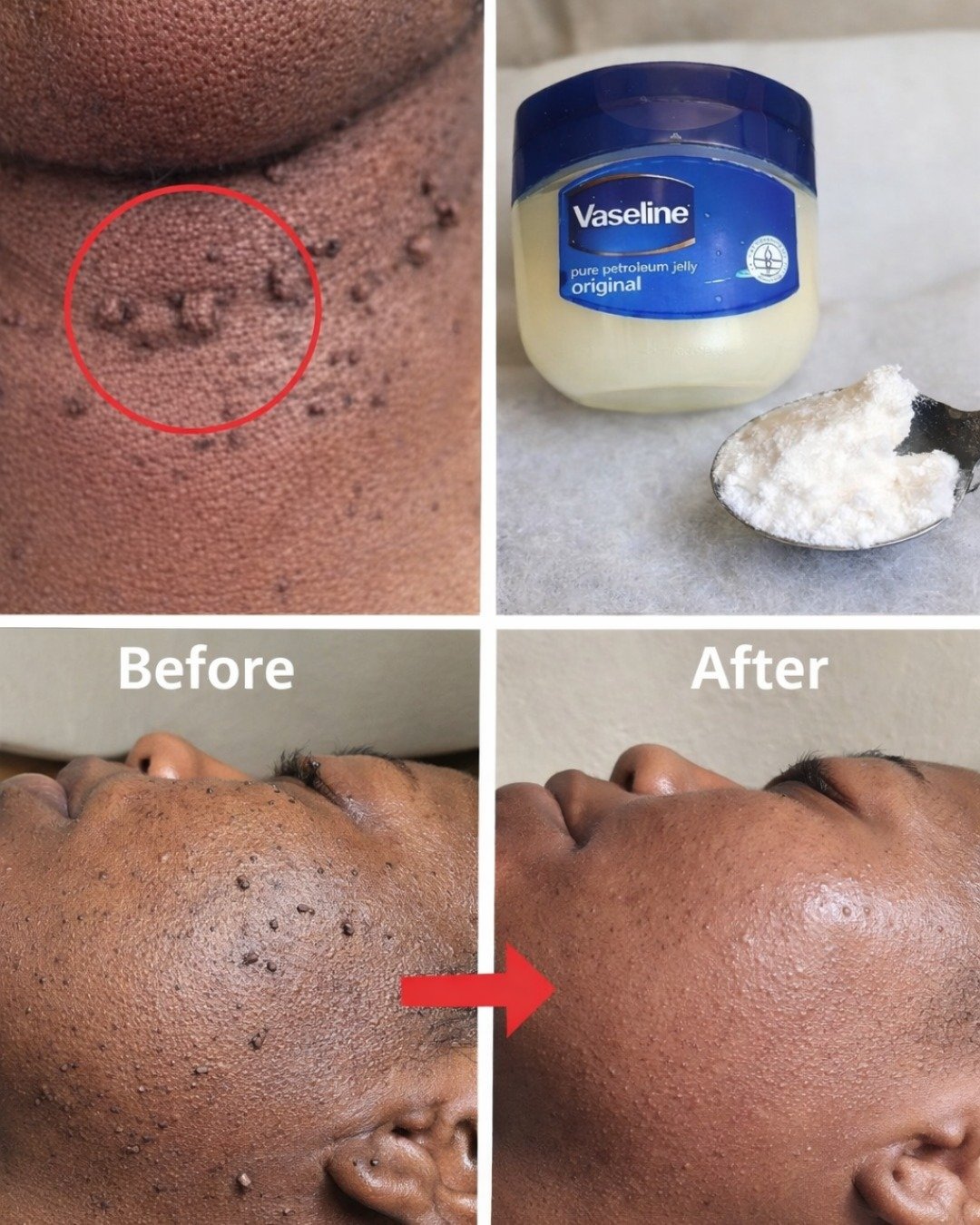
Those tiny, hard white bumps on your face—often around the eyes, cheeks, or forehead—can feel incredibly frustrating. They sit there stubbornly, refusing to go away no matter how much you cleanse or scrub, and they can make makeup look uneven or chip away at your confidence as you notice them in every photo. Unlike acne, these aren’t caused by clogged pores or bacteria, so typical treatments don’t work and can even make things worse by irritating delicate skin. The good news? With gentle, evidence-based habits, many people see smoother, clearer skin over time—and in some cases, these bumps fade on their own. Keep reading to discover exactly what milia are, why popular DIY fixes often backfire, and the safer steps that dermatologists actually recommend.
The Common Confusion: Why Those White Bumps Aren’t Acne (And Why It Matters)
Many adults mistake milia for whiteheads or acne because they look similar—small, white, and raised. But here’s the key difference: acne forms when pores get clogged with oil, dead skin, and bacteria, often leading to redness, inflammation, or pus. Milia, on the other hand, are tiny keratin-filled cysts trapped just under the skin’s surface with no opening to the pore.
This distinction matters because treating milia like acne—using harsh scrubs, picking, or strong acne products—can irritate the skin, cause scarring, or even trigger more bumps. Research shows that improper handling of these harmless cysts can lead to unnecessary damage. Understanding this helps you choose gentler, more effective approaches.
But that’s not all—let’s explore what actually causes these persistent bumps.
Milia Explained: Causes, Types, and Why They Appear Around Eyes and Face
Milia form when dead skin cells and keratin (a natural protein in your skin) get trapped beneath the surface instead of shedding normally. This creates small, pearl-like cysts that feel firm to the touch.

Common Types of Milia
- Primary milia: These appear spontaneously and are common in adults and children, often around the eyes, cheeks, or forehead.
- Secondary milia: These develop after skin damage from sun exposure, burns, rashes, heavy creams, or cosmetic procedures.
- Neonatal milia: Very common in newborns (up to 50% of babies), but they usually resolve quickly.
Why They Often Appear Around the Eyes
The skin here is thinner and has fewer oil glands, making it easier for keratin to get trapped. Heavy eye creams, occlusive products, or even aging skin (which sheds cells more slowly) can contribute. Studies indicate that factors like prolonged sun exposure or using thick moisturizers increase the likelihood in adults.
Self-check: If you’ve been using rich creams or spending time in the sun without protection, that could be a clue.
Why Viral “Overnight” Mixes Like Vaseline + Scrubs Often Backfire
Social media is full of quick fixes—Vaseline mixed with baking soda, coffee scrubs, or honey masks—promising to dissolve milia overnight. But dermatologists warn these can do more harm than good.
Vaseline (petroleum jelly) is highly occlusive, meaning it seals everything in and prevents skin from breathing. For people prone to milia, this can trap more keratin and worsen the issue. Baking soda disrupts your skin’s natural pH, leading to dryness, redness, or irritation. Abrasive scrubs like coffee grounds can damage the delicate eye area.
Real talk: No strong evidence supports these DIY methods for removing milia, but irritation and scarring are well-documented risks. Patience with proven strategies beats risky shortcuts every time.
Safer Foundation: Gentle Exfoliation and Prevention Habits
The best approach starts with habits that promote natural skin turnover without irritation. Here’s what dermatologists recommend:

- Incorporate retinoids: Over-the-counter retinol or prescription tretinoin speeds up cell turnover, helping prevent buildup. Start slowly (2-3 times a week) to avoid dryness.
- Use gentle chemical exfoliants: AHAs (like glycolic or lactic acid) or BHAs (salicylic acid) dissolve dead skin cells gradually. Look for low-strength formulas.
- Choose lightweight moisturizers: Opt for non-comedogenic, gel-based products that hydrate without clogging.
- Never skip sunscreen: Daily broad-spectrum SPF 30+ protects against sun damage that can trigger secondary milia.
Bonus tip: Always patch-test new products on your inner arm first.
Momentum Builders: Daily Routines for Smoother Texture
Building a simple routine can make a big difference over weeks to months. Try these steps:
- Cleanse gently twice a day with a mild, non-foaming cleanser.
- Apply a retinoid or exfoliant (start low and slow).
- Follow with a lightweight moisturizer.
- Finish with sunscreen every morning.
- Use a warm compress for 5-10 minutes before your routine to soften the skin.
Consistency is key—many people notice gradual improvement in texture and fewer new bumps within 4-8 weeks.
Advanced Care: When to See a Dermatologist
If milia persist despite gentle care, professional help is safe and effective. Dermatologists can perform manual extraction using a sterile lancet to remove the contents quickly with minimal discomfort.
Other options include mild chemical peels, cryotherapy (freezing), or laser treatments for multiple bumps. These procedures are low-risk when done by a professional and often provide immediate results.
Comparisons: DIY vs. Gentle vs. Professional
| Approach | Evidence Level | Safety | Effectiveness |
|---|---|---|---|
| Harsh DIY mixes | Low | Risky (irritation/scarring) | Temporary or worsening |
| Gentle skincare (retinoids, exfoliants) | Strong | High | Preventive and gradual improvement |
| Professional removal | Strong | Excellent (when done properly) | Direct and fast |
Achieve Smoother Skin: Your Gentle Milia Care Plan
Here’s a simple starter plan you can begin today:

- Switch to a lightweight, non-comedogenic eye cream.
- Add a retinol or AHA/BHA product 2-3 nights per week.
- Use sunscreen daily.
- Avoid picking or harsh scrubs.
- Schedule a dermatologist visit if no improvement in 2-3 months.
One small change can lead to brighter, more even skin—and greater confidence.
FAQ
What causes milia in adults?
Milia often result from trapped keratin due to slower skin turnover, heavy creams, sun damage, or skin trauma. They’re not contagious or related to poor hygiene.
Can I pop or extract milia at home?
No—milia have no opening like acne, so forcing them can cause scarring or infection. Always leave extraction to a professional.
Will milia go away on their own?
Many primary milia resolve over time, especially with gentle exfoliation. Secondary milia may need more targeted care.
This article is for informational purposes only and does not replace professional medical advice. Consult your dermatologist or healthcare provider for personalized guidance.