
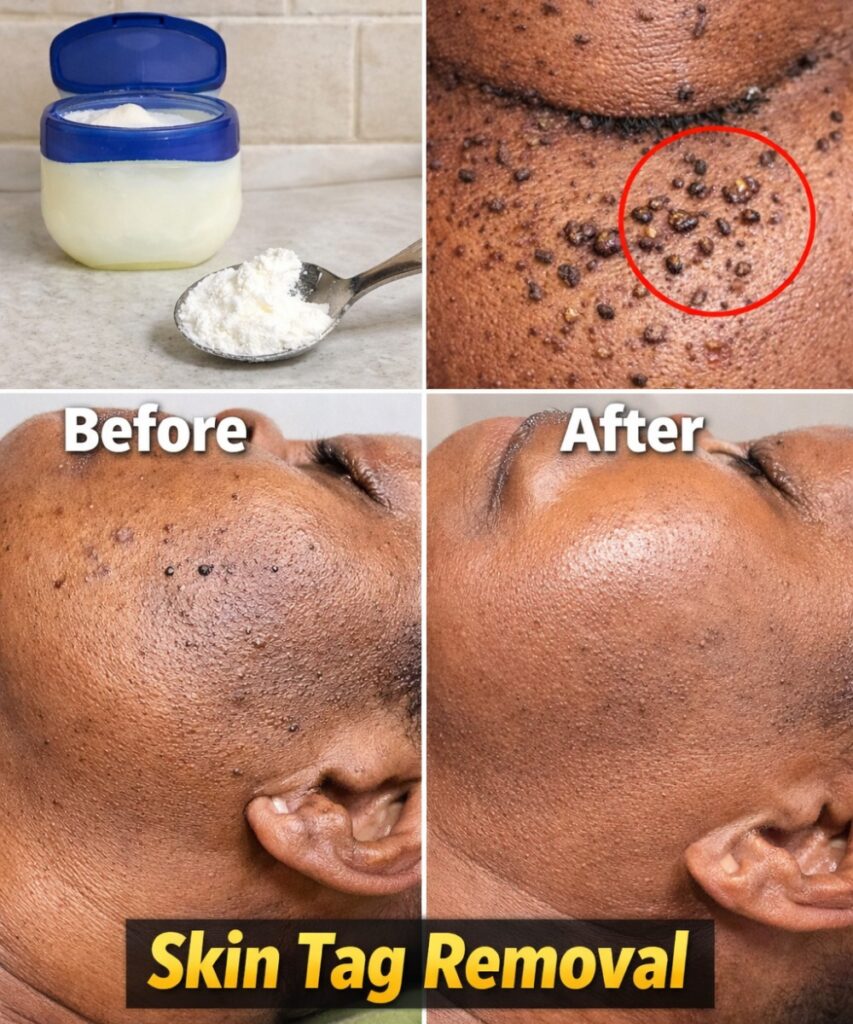
Those tiny, hard white bumps that appear around your eyes or cheeks can be incredibly frustrating—they sit just under the surface, refuse to budge, and make your skin feel uneven no matter how carefully you apply makeup or skincare. Many people spend months trying to treat them like regular acne, only to feel more irritated and discouraged when nothing works. The good news is that these bumps have a specific name and gentle, evidence-based approaches that can help improve your skin’s texture over time. Keep reading—you’ll discover why some popular home remedies can actually make things worse and what dermatologists actually recommend instead.
What Exactly Are Milia—and Why Do They Show Up?
Milia are small cysts formed when keratin (a natural protein in your skin) gets trapped beneath the surface. Unlike acne, which involves oil, bacteria, and inflammation in open pores, milia have no opening to the surface. This is why squeezing them rarely works and often leads to redness or scarring.
There are two main types:
- Primary milia: These develop spontaneously, often due to the skin’s natural shedding process slowing down with age.
- Secondary milia: These form after skin trauma, such as burns, blisters, prolonged sun exposure, or the use of heavy, occlusive products.
They’re especially common around the eyes and cheeks because the skin there is thinner and more delicate. Research shows that long-term sun exposure and certain thick creams can contribute to their formation. Many adults over 30 notice them for the first time as skin cell turnover naturally slows.
The important thing to know? Milia are completely harmless and not contagious. But understanding what they are helps you choose kinder, more effective care.
The Common Mistake: Treating Milia Like Acne
Here’s where many people get stuck. Because milia look like tiny whiteheads, it’s tempting to reach for acne-fighting products or try to pop them. But since they lack a pore opening, forceful extraction can damage the surrounding skin and lead to irritation or permanent marks.
Dermatologists consistently advise against at-home extraction with needles or aggressive scrubbing. Studies on skin barrier function show that unnecessary trauma can delay healing and sometimes create more cysts in the long run.
If you’ve ever tried popping one and felt frustrated when it didn’t work, you’re not alone. The better path starts with gentle habits that support your skin’s natural renewal process.
Why Viral “Overnight” Remedies Often Fall Short
Social media is full of quick-fix recipes—Vaseline mixed with sugar scrubs, baking soda pastes, or coffee grounds promising to dissolve milia overnight. While the intention is good, these approaches often cause more harm than help.
Heavy occlusives like petroleum jelly can trap oil and dead skin, potentially contributing to new milia formation. Abrasive physical scrubs can micro-tear delicate areas, especially around the eyes. Harsh ingredients like baking soda disrupt the skin’s natural pH balance, leading to dryness and sensitivity.
Real patient experiences shared in dermatology forums echo this: many report temporary redness or worsening texture after trying aggressive DIY mixes. The evidence simply doesn’t support these methods for reliable improvement.
Gentle, Evidence-Based Habits to Support Smoother Skin
The most effective strategy is patience combined with consistent, skin-friendly routines. Here are dermatologist-recommended starting points:

- Switch to lightweight, non-comedogenic moisturizers—especially around the eyes—to avoid trapping keratin.
- Incorporate gentle chemical exfoliants like salicylic acid (BHA) or glycolic acid (AHA) 2–3 times per week to encourage natural cell turnover.
- Use retinoids (over-the-counter retinol or prescription options) to promote skin renewal—start slowly to avoid irritation.
- Apply broad-spectrum sunscreen daily—UV damage is a known contributor to secondary milia.
- Warm compresses once or twice a week can soften the skin and make it more receptive to gentle care.
Always patch-test new products and introduce them gradually.
Real Results: Emma’s Gentle Approach
Emma, in her late 50s, had clusters of milia around her eyes that made makeup application tricky. After months of frustration, she switched to a lightweight eye cream, added a mild retinol serum at night, and used a salicylic acid cleanser twice weekly. Within a few months, she noticed gradual improvement and smoother texture. “My friends started asking what I was using—my skin just looked brighter,” she shared. Her experience aligns with what many dermatologists observe: consistency with gentle actives often yields the best long-term outcome.
When to Consider Professional Care
If milia persist despite gentle home habits, a dermatologist can safely remove them using a sterile lancet or specialized tool. This quick in-office procedure has minimal downtime and excellent results for stubborn cysts.
Studies on extraction techniques show high satisfaction rates and low risk when performed by trained professionals. Many patients describe it as “finally getting relief after years of worry.”
Your Simple Milia-Friendly Routine Checklist
Ready to get started? Try building this gentle routine:
- Cleanse morning and night with a mild, non-foaming cleanser.
- Apply a lightweight, non-comedogenic moisturizer.
- Use sunscreen every morning (SPF 30+).
- 2–3 evenings per week: gentle chemical exfoliant or retinol serum.
- Avoid heavy creams and picking at bumps.
Small, consistent changes often make the biggest difference over time.

Quick Comparison: Common Approaches vs. Gentle Care
| Approach | Evidence Level | Safety Profile | Typical Results |
|---|---|---|---|
| Harsh DIY extraction/scrubs | Low | Higher risk of irritation/scarring | Temporary or worsening |
| Viral overnight mixes | Minimal | Can disrupt barrier | Often disappointing |
| Gentle exfoliation + prevention | Strong | High | Gradual improvement, smoother texture |
| Professional extraction | High | Excellent when done by derm | Fast, reliable clearance |
Final Thoughts: Patience and Kindness Pay Off
Milia may feel stubborn, but with gentle, consistent care and realistic expectations, many people see noticeable improvement in skin texture and confidence. Focus on supporting your skin’s natural processes rather than fighting against them.
Start with one small change today—perhaps swapping to a lighter eye cream or adding daily sunscreen—and build from there.
Frequently Asked Questions
Can milia go away on their own?
Yes, primary milia sometimes resolve naturally over months as skin renews itself, especially with gentle exfoliation support.
Is it safe to use retinol around the eyes?
Low-strength retinol can be used carefully around the eyes, but start slowly and avoid the eyelid margin. Always follow with moisturizer and sunscreen.
How long does it take to see improvement?
Most people notice gradual changes within 8–12 weeks of consistent gentle care, though individual results vary.
This article is for informational purposes only and is not a substitute for professional medical advice. Always consult a dermatologist or healthcare provider for personalized skin concerns.
