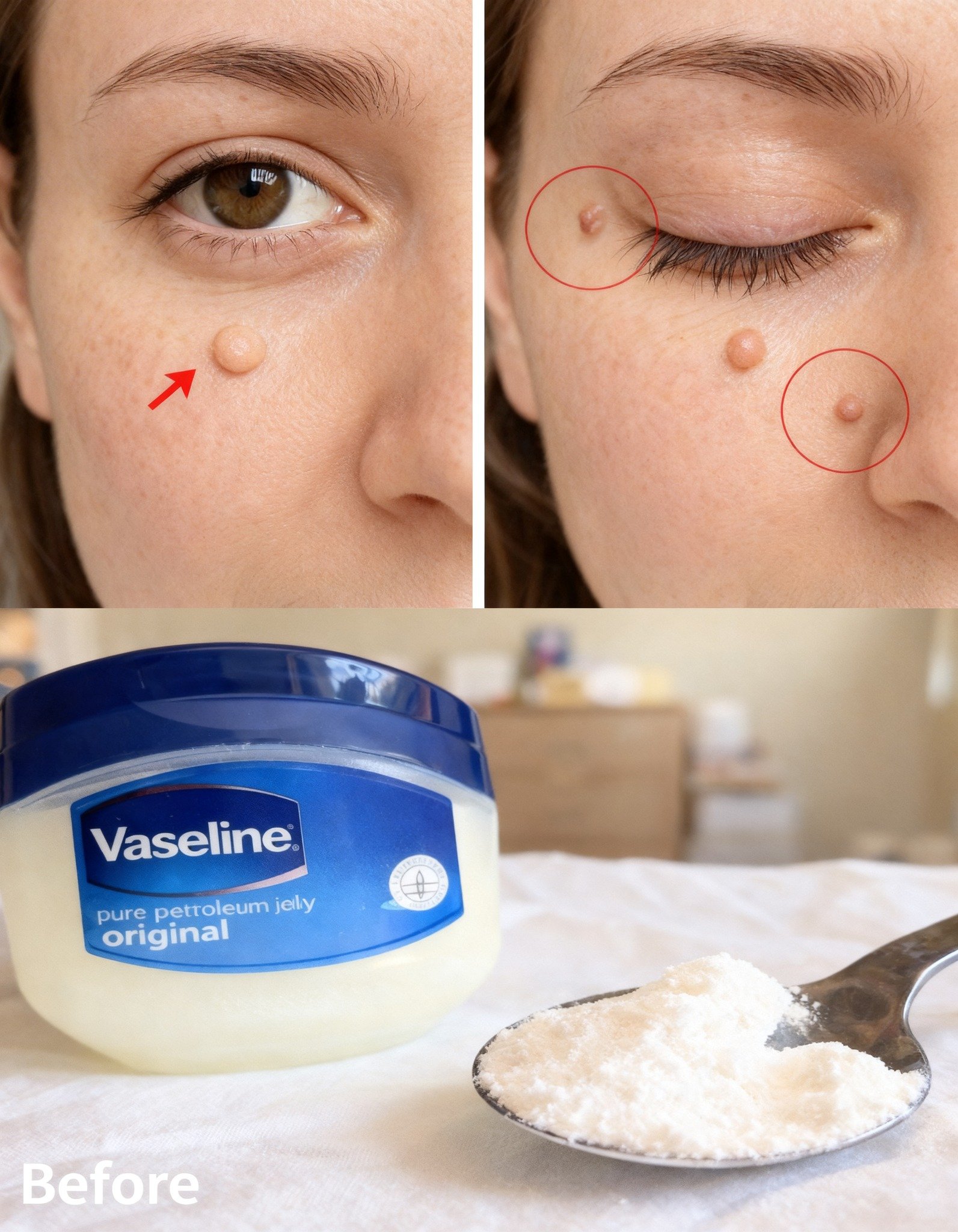
Those tiny white bumps on your face—often around the eyes, cheeks, or forehead—can feel incredibly frustrating. They linger for months, refuse to budge with regular cleansing, and make makeup application uneven or highlight texture issues that chip away at your confidence. Many adults mistake them for acne and try the same treatments, only to end up with irritation, redness, or even scarring. The good news is that these bumps, known as milia, are harmless keratin-filled cysts, and with the right gentle approach, you can support smoother skin over time.
But here’s the surprising part: some of the most popular “quick fixes” circulating online can actually make them worse—and understanding why opens the door to truly effective, evidence-based strategies that dermatologists recommend.
The Common Confusion: Why Milia Aren’t Acne (And Why It Matters)
Milia and acne often get mixed up because both appear as small white spots on the face. However, the differences are key to avoiding ineffective or harmful treatments.
Milia are small cysts formed when keratin—a natural protein in your skin—gets trapped beneath the surface. Unlike acne, which involves clogged pores, excess oil, bacteria, and inflammation, milia have no opening to the surface and aren’t red, painful, or inflamed.
This distinction matters because acne treatments like harsh scrubs or pore-stripping products can irritate the delicate skin around milia-prone areas, potentially leading to more bumps or damage. Research shows that misidentifying milia as acne often delays proper care and increases frustration.
Milia Explained: Causes, Types, and Common Locations
Milia form when dead skin cells fail to shed properly and become trapped under newer skin layers, hardening into tiny cysts. They’re benign and not contagious.

Primary milia occur spontaneously, often in adults on the eyelids, cheeks, forehead, or around the eyes—common areas due to thinner skin and frequent product use.
Secondary milia develop after skin trauma, such as sun damage, burns, rashes, or prolonged use of heavy creams and topical steroids.
Other triggers include thick, occlusive moisturizers (like petroleum jelly-based products), sun exposure without protection, and certain skin conditions. Studies indicate that heavy eye creams or occlusive ingredients can trap keratin, especially in mature skin where cell turnover slows.
Milia are common in adults, though exact adult prevalence varies; many experience them at some point, particularly after 30 when skin changes occur.
Why Viral “Overnight” Remedies Often Backfire
Social media trends promise fast results with mixes like Vaseline combined with scrubs, baking soda, or oils. But dermatologists caution that these can worsen the issue.
Vaseline and similar occlusives create a barrier that traps keratin further, potentially encouraging more milia formation—especially around the eyes. Abrasive scrubs or baking soda disrupt the skin’s natural pH, leading to dryness, redness, and irritation without addressing the trapped cysts.
There’s no strong scientific evidence supporting these DIY mixes for milia removal, and forcing extraction at home risks infection, scarring, or pigmentation changes. The safest path starts with understanding what actually works.

Safer At-Home Strategies: Gentle Habits for Smoother Skin
The foundation of managing milia lies in promoting gentle exfoliation, supporting skin turnover, and preventing new buildup. Here are evidence-based steps you can start today:
- Incorporate chemical exfoliants: Look for products with AHAs (like glycolic acid) or BHAs (like salicylic acid) to help dissolve dead skin cells and prevent trapping. Use them 2–3 times per week to avoid over-irritation.
- Add retinoids: Over-the-counter retinol or prescription retinoids boost cell turnover, helping loosen trapped keratin over time. Start slowly (every other night) and always pair with sunscreen, as they increase sun sensitivity.
- Choose lightweight moisturizers: Opt for non-comedogenic, oil-free formulas to hydrate without occlusion.
- Prioritize sun protection: Daily broad-spectrum SPF 30+ prevents sun damage that contributes to secondary milia.
- Patch test everything: Introduce new products one at a time to monitor reactions.
Quick Prevention Checklist:
- Cleanse gently twice daily without harsh scrubbing.
- Avoid heavy creams around the eyes.
- Use warm compresses (a clean, warm cloth for 5–10 minutes) to soften the area before applying actives.
- Never pick or squeeze—let professionals handle extraction if needed.
Consistency is key; improvements often appear gradually over weeks to months.
When to See a Dermatologist: Professional Options
If milia persist despite gentle care, professional help is safe and effective. Dermatologists perform manual extraction using a sterile lancet or needle to create a tiny opening and remove the cyst—quick, with minimal discomfort and low risk.
In some cases, they recommend chemical peels or retinoid prescriptions for widespread or stubborn milia. These approaches are backed by clinical experience and offer direct, reliable results.
Your Gentle Milia Care Plan: Start Simple for Lasting Results
- Assess your routine: Switch to lightweight, non-occlusive products today.
- Build in exfoliation: Add a gentle AHA/BHA or retinol 2–3 times weekly.
- Protect daily: Apply sunscreen every morning.
- Monitor progress: Give it 4–8 weeks before evaluating.
- Consult if needed: See a dermatologist for persistent bumps.
Patience pays off—many see smoother texture with consistent, gentle habits.
Conclusion
Milia are frustrating but manageable with informed, gentle care. Avoid harsh DIY methods, embrace turnover-promoting ingredients, and protect your skin barrier. Over time, these steps support clearer, more even skin and renewed confidence.

Frequently Asked Questions
How long do milia last in adults?
Milia often persist longer in adults than in newborns but can improve with consistent gentle exfoliation and may resolve over months; stubborn ones benefit from professional removal.
Can I prevent milia from coming back?
Yes—use non-comedogenic products, exfoliate regularly, wear sunscreen daily, and avoid heavy occlusives to reduce the risk of recurrence.
Are milia a sign of poor skincare?
Not necessarily; they can stem from genetics, sun damage, or product choices, but adopting preventive habits helps minimize them.
This article is for informational purposes only and does not replace professional medical advice. Consult a dermatologist or healthcare provider for personalized guidance.