
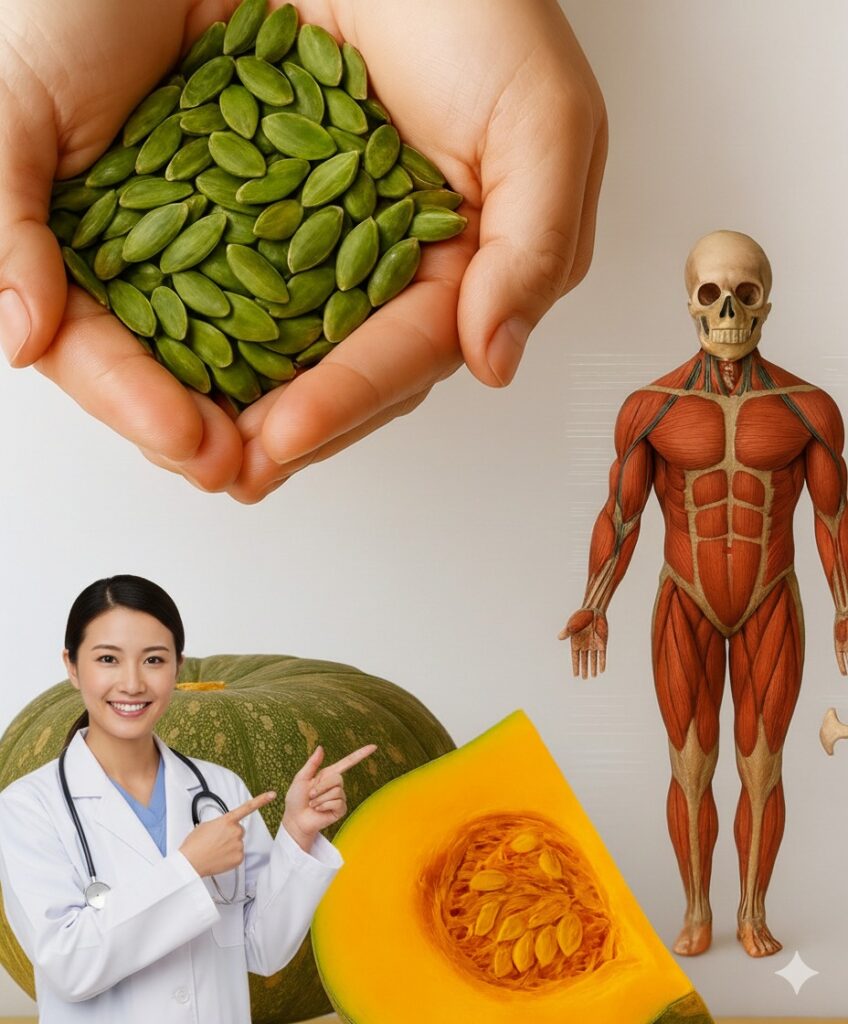
The Tiny Seed Quietly Supporting Your Prostate, Heart, and Sleep
Every year, millions of men over 40 deal with frequent nighttime trips to the bathroom, low energy that drags through the day, or concerns about prostate health. These issues can feel frustrating and endless, especially when common suggestions like cutting back on fluids or trying various supplements don’t provide lasting relief. The exhaustion builds, affecting sleep, mood, and confidence in ways that are hard to ignore.
Yet, a simple, natural food found in most kitchens or grocery stores is backed by growing research for helping men feel more energized, rest better, and regain a sense of control. Keep reading to discover why pumpkin seeds are worth adding to your daily routine—and the easy preparation tip that can make their nutrients even more effective.
What Makes Pumpkin Seeds Stand Out?
Pumpkin seeds, often called pepitas, go beyond being a simple snack. They’re packed with zinc, magnesium, healthy fats, and plant compounds known as phytosterols.
Studies, including those published in journals like Nutrition Research and the Journal of Medicinal Food, highlight how these nutrients may contribute to:
- Supporting prostate health
- Promoting comfortable urinary flow
- Helping maintain balanced inflammation
- Enhancing sleep quality
- Contributing to heart health
But here’s something interesting that stands out from reviewing multiple studies…
The Natural Compound Linked to Prostate Comfort
Pumpkin seeds are rich in phytosterols, particularly beta-sitosterol. Several clinical trials have explored their role in supporting urinary comfort for men with benign prostatic hyperplasia (BPH), a common prostate enlargement.
For example, randomized studies, including one comparing pumpkin seed oil to standard treatments, noted improvements in symptoms like fewer nighttime awakenings and better flow. Another 12-month placebo-controlled trial with over 1,400 men found that pumpkin seeds led to meaningful reductions in symptom scores.

The good news? You can get these potential benefits from whole seeds—no need for costly extracts.
Here’s the part many find encouraging…
5 Research-Backed Ways Pumpkin Seeds May Help
Research points to several areas where pumpkin seeds shine:
- Improved Sleep Quality
Rich in magnesium and tryptophan, these seeds support relaxation and natural melatonin production. Studies link higher magnesium intake to better rest, especially in older adults. - Heart Health Support
The mix of healthy fats, arginine, and antioxidants may help maintain normal blood pressure and cholesterol levels within a healthy range, as noted in research from the American Journal of Clinical Nutrition. - Immune and Hormone Balance
A single ounce delivers a significant portion of daily zinc, essential for immune function and testosterone support. - Balanced Inflammation Response
Antioxidants like carotenoids and vitamin E contribute to managing everyday inflammation. - Additional Perks for Skin and Hair
The same zinc and fats that benefit the prostate also promote healthier hair and clearer skin.
These effects add up over time, often noticed within weeks of consistent use.
The 30-Second Trick to Boost Nutrient Absorption
Eating plain raw pumpkin seeds is beneficial, but a quick preparation step can enhance how your body uses key nutrients like zinc, magnesium, and phytosterols.
Soaking and lightly roasting reduces anti-nutrients (like phytic acid) that can bind minerals, improving bioavailability according to nutrition research.
Try this simple “activated” method:

- Start with ¼–½ cup raw, organic pumpkin seeds
- Soak overnight in water with a pinch of sea salt
- Drain and rinse, then roast at low heat (around 180°F/80°C) for 15–20 minutes or air-dry
- Store in an airtight container
These taste nuttier, are easier to digest, and deliver more per handful.
Pro tip: Grind a couple tablespoons into powder and sprinkle on yogurt, oatmeal, or salads for even better absorption.
How Much to Eat Daily for Noticeable Benefits
Studies on prostate and sleep support often use amounts equivalent to:
- 1–2 handfuls (¼–½ cup, or 30–60 grams) of seeds per day
- Or about 320–500 mg of pumpkin seed oil (around 1 teaspoon)
Many men start with a small handful in the evening and report better rest and fewer disruptions soon after.
| Daily Amount | Equivalent Benefits From Studies | Easy Ways to Reach It |
|---|---|---|
| ¼ cup (30g) | Similar to trial doses for urinary comfort | Sprinkle on salads or yogurt |
| ½ cup (60g) | Higher end for broader nutrient support | Add to trail mix or smoothies |
| 1 tsp oil | Concentrated form used in some research | Drizzle on veggies (if preferring oil) |
Tasty Ways to Enjoy Them Daily (No Boredom Here)
Variety keeps it sustainable—here are reader favorites:
- Stir into Greek yogurt with cinnamon and berries
- Blend into smoothies (pairs great with chocolate or vanilla)
- Mix into homemade trail mix with nuts and a few dark chocolate pieces
- Spread pumpkin seed butter on toast
- Scatter roasted seeds over soups or veggies just before eating
But here’s a common pitfall to avoid…
The One Mistake Most People Make
Skip heavily salted, high-heat roasted versions from the snack aisle. Excessive processing can diminish delicate nutrients and add unnecessary sodium that might irritate the bladder.

Opt for raw organic seeds and prepare them yourself for maximum value.
Final Thoughts: A Small Habit with Real Potential
Pumpkin seeds aren’t a headline-grabbing fix, but research shows they offer gentle, natural support rooted in nutrient-dense whole foods. Many men notice improvements in energy, sleep, and daily comfort from this easy addition.
Try starting with one handful tonight—consistency is key.
Frequently Asked Questions
- Can women benefit from pumpkin seeds too?
Yes! They’re great for hormone balance, hair health, and overall nutrition. - Are pumpkin seeds safe with medications like blood thinners?
Generally well-tolerated, but consult your doctor, especially if on prostate or blood pressure meds. - Shelled or unshelled?
Shelled (pepitas) are easier to eat and digest daily.
Disclaimer: This article is for informational purposes only and is not intended to diagnose, treat, cure, or prevent any disease. Always consult your healthcare provider before making dietary changes, especially if you have a medical condition or take medications.
