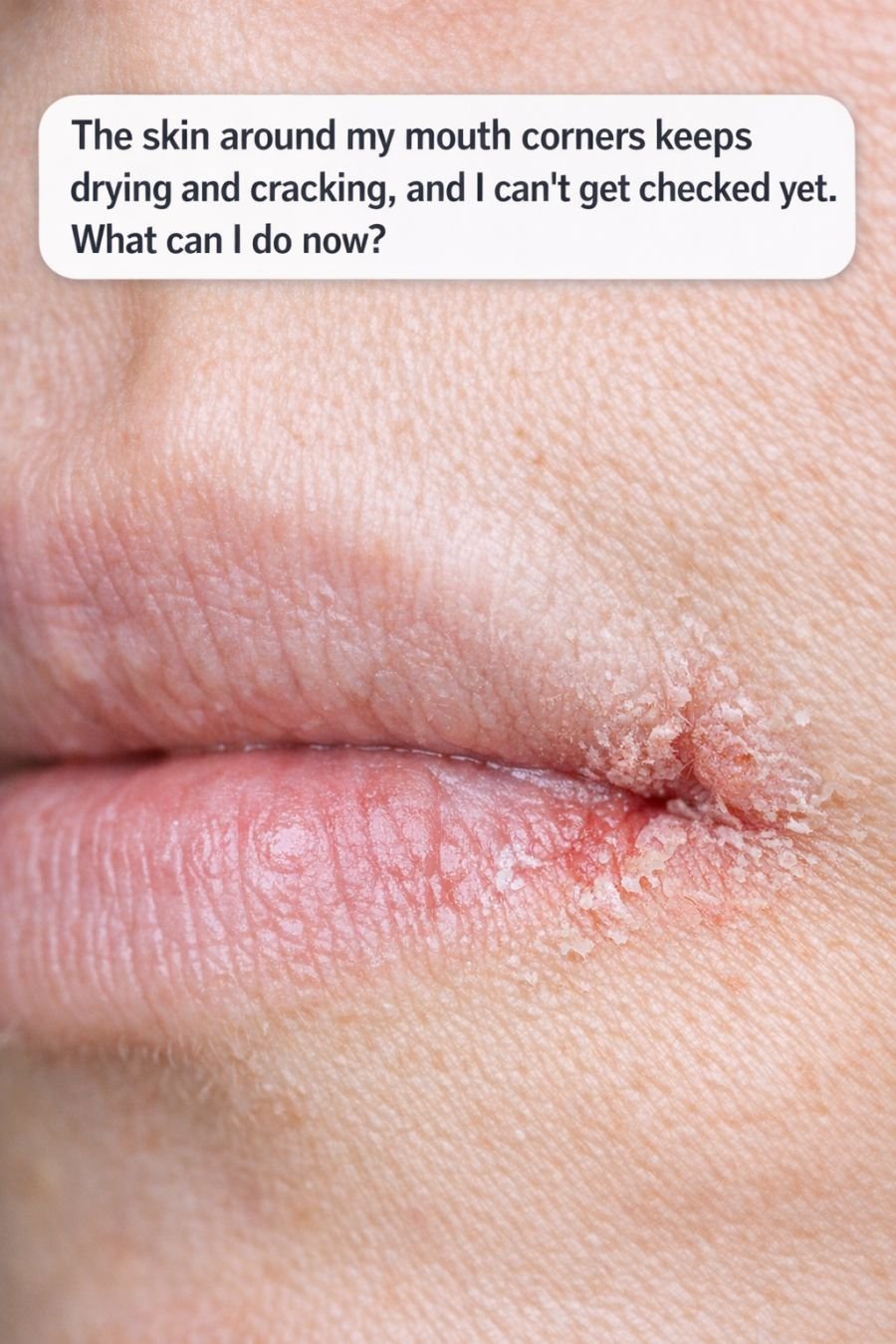
The skin around my mouth corners keeps drying and cracking, and I can’t get checked yet. What can I do now?
Dealing with dry and cracked skin around the corners of your mouth can be both uncomfortable and frustrating. This common issue can arise due to various reasons, ranging from environmental factors to underlying health conditions. While getting a professional diagnosis is ideal, it’s not always immediately possible. Fortunately, there are several steps you can take at home to manage and alleviate the symptoms in the meantime. Understanding the root cause of your skin issue is essential for effective treatment. In this article, we will explore potential causes, remedies, and preventive measures to help you manage dry and cracked skin around your mouth corners until you can consult with a healthcare provider. 1. Is It Just Chapped Skin Or Something More Serious? Chapped skin around the mouth is quite common, particularly during cold, dry weather when humidity levels drop. However, if the condition persists or worsens, it might indicate an underlying issue such as angular cheilitis, allergic reactions, or even nutritional deficiencies. Angular cheilitis is characterized by inflamed, cracked corners of the mouth, often accompanied by redness and soreness. To determine if it’s more than just chapped skin, observe the duration and severity of the symptoms. If the cracks are deep, bleed, or are accompanied by other symptoms such as swelling or pus, it may be indicative of a more serious condition that warrants medical evaluation. 2. Common Causes Of Cracking At The Corners Of The Mouth Several factors can contribute to cracking at the mouth corners. Environmental factors such as cold weather, wind, and low humidity can strip moisture from the skin. Lip licking, a common habit, can exacerbate the problem by repeatedly wetting and drying the skin. Other causes include fungal infections, commonly Candida albicans, which thrive in moist areas. Allergies to oral hygiene products, cosmetics, or certain foods can also lead to irritation and cracking. Nutritional deficiencies, particularly of vitamins like B2 (riboflavin) and zinc, are known contributors to this condition. 3. Quick Home Checks You Can Do Before You See A Doctor Performing a few simple checks at home can help you gather useful information about your condition. Examine the area for signs of infection such as redness, swelling, or pus. Check if there’s any improvement or worsening with the use of different lip balms or oral hygiene products, which might indicate an allergic reaction. Note any patterns or triggers, such as weather changes or certain foods, which might help you identify the cause. Keeping a diary of your symptoms, treatments tried, and any changes can be valuable information for a healthcare provider when you are able to seek professional help. 4. Simple Moisturizing Tricks That Actually Help, Not Hurt Keeping the skin moisturized is crucial in managing dryness and preventing further cracking. Apply a thick, non-irritating lip balm or ointment that contains hydrating ingredients like beeswax, petroleum jelly, or ceramides. Avoid flavored or scented products, which can cause irritation. To enhance moisture retention, apply the balm immediately after washing your face or showering, when your skin is still damp. This helps lock in moisture. Reapply frequently throughout the day, especially after eating or drinking, to maintain a protective barrier on the skin. 5. Barrier Ointments And Balms: What To Use And What To Avoid Barrier ointments and balms can prevent the loss of moisture and protect the skin from environmental irritants. Opt for products with simple ingredients like petroleum jelly or lanolin, which provide effective barriers without irritation. Look for hypoallergenic labels that indicate the product is less likely to cause an allergic reaction. Avoid products that contain alcohol, fragrance, or menthol, as these can dry out the skin and worsen the cracking. Natural oils like coconut oil or shea butter can also be used as they provide moisture and a protective barrier. 6. Easy At-Home Steps To Calm Redness, Burning, And Itch To alleviate discomfort, start by washing the area gently with lukewarm water and a mild, fragrance-free cleanser. Pat the skin dry with a soft towel, avoiding any rubbing that could cause further irritation. Apply a soothing ointment or balm immediately after cleaning. For additional relief, consider using a cold compress to reduce redness and swelling. Simply wrap ice cubes in a clean cloth and apply to the affected area for a few minutes. Aloe vera gel, known for its soothing properties, can also be applied to calm irritation. 7. Stop The Cycle: Habits That Quietly Make Cracks Worse Certain habits can contribute to or exacerbate the condition, making it essential to be mindful of them. Lip licking, while seemingly harmless, can lead to further dryness and irritation. Saliva evaporates quickly, leaving the skin drier than before. Avoid picking or peeling the skin around your mouth, as this can introduce bacteria and lead to infections or further irritation. Instead, focus on maintaining a consistent moisturizing routine and refrain from using harsh skin products that can strip the skin of its natural oils. 8. Nutrition And Deficiencies: When Dry Mouth Corners Signal More Nutritional deficiencies, such as those in B vitamins (B2, B3, B6, B12) and minerals like zinc and iron, can manifest as dryness and cracking at the corners of the mouth. Ensure your diet is well-balanced, with plenty of fruits, vegetables, and lean proteins that provide essential nutrients. Consider taking a multivitamin if you suspect your diet may be lacking, but consult with a healthcare professional before starting any new supplements. Additionally, staying hydrated by drinking plenty of water helps maintain healthy skin and overall hydration. 9. When It Might Be A Fungal Or Bacterial Infection If the cracked corners of your mouth are persistent and do not improve with moisturizing, it might be due to an infection. Angular cheilitis can be caused by fungal infections, often Candida, or bacterial infections, frequently Staphylococcus aureus. These infections require specific treatments, such as antifungal or antibacterial creams. If you notice signs of infection, such as pus, severe redness, swelling, or if the condition is spreading, it’s important to seek medical advice. In the interim, maintaining good oral hygiene and avoiding the sharing of personal items like towels or utensils can prevent the spread of infection. 10. Safe Ways To Handle Makeup, Masks, And Skincare Around Your Mouth When dealing with cracked skin around the mouth, it’s important to be cautious with makeup and skincare products. Choose hypoallergenic, non-comedogenic products that are designed for sensitive skin. Avoid using makeup on cracked areas until they have healed to prevent further irritation. If wearing a mask, opt for a breathable and clean fabric to reduce friction and moisture build-up. Ensure you regularly clean your masks to prevent bacterial growth. When applying skincare products, be gentle and avoid any harsh exfoliants or active ingredients that can irritate broken skin. 11. Red-Flag Symptoms: When You Should Seek Urgent Medical Help While many cases of cracked skin around the mouth can be managed at home, certain symptoms require immediate medical attention. Seek urgent help if you experience severe pain, bleeding, or if the area becomes excessively swollen or red. These could be signs of a serious infection or allergic reaction. Additionally, if you notice systemic symptoms such as fever, fatigue, or swollen lymph nodes accompanying the skin issue, it could indicate a more widespread infection or condition that needs professional evaluation. Don’t hesitate to consult a healthcare provider if you are concerned about your symptoms or if the condition does not improve with home care. |