

Have you ever looked at your lawn and seen those bright yellow flowers popping up everywhere, only to dismiss them as pesky weeds? Many people spend time and effort trying to remove dandelions, yet this humble plant has been valued for centuries in various cultures for its nutrient content and place in traditional herbal practices. In a world where we’re constantly seeking natural ways to support everyday wellness, dandelions stand out as an accessible, often overlooked option growing right outside our doors. But what makes this plant so intriguing beyond its familiar look?
Research and traditional knowledge suggest dandelions offer a surprising array of vitamins, minerals, and compounds that contribute to their long-standing reputation. Studies exploring their composition highlight antioxidants, prebiotic fibers, and other elements that may play roles in supporting general health when included in a balanced diet. The real surprise, though? How simple it can be to incorporate them safely into your routine—and what you might discover when you look closer at this everyday plant. Stick around, because toward the end, we’ll share practical ways to try it yourself.

What Makes Dandelions Nutritionally Interesting?
Dandelions (Taraxacum officinale) are more than just flowers; the entire plant—from leaves to roots—packs a nutrient punch. One cup of raw dandelion greens provides a good amount of vitamin A, which supports eye health and immune function, along with vitamin C for general antioxidant support. They’re also rich in vitamin K, important for bone health, and contain folate, calcium, magnesium, iron, and potassium.
The roots add another layer, often featuring inulin—a type of prebiotic fiber that feeds beneficial gut bacteria. This contributes to why dandelions have appeared in traditional diets and herbal preparations for digestive comfort.

But that’s not all… The plant contains various polyphenols, flavonoids, and phenolic acids, compounds studied for their antioxidant properties in lab and animal research. These elements help explain the plant’s traditional use in supporting the body’s natural processes.

Traditional Uses and Emerging Research Insights
For generations, dandelions have held a place in folk practices around the world, often as teas, salads, or tonics. Leaves were commonly used for their bitter taste to encourage healthy digestion, while roots appeared in preparations aimed at supporting liver function and overall vitality.
Modern studies, including reviews in scientific journals, have looked into these traditions more closely. For example:
- Antioxidant and anti-inflammatory potential: Test-tube and animal studies suggest compounds like chicoric acid and luteolin may help combat oxidative stress and support a balanced inflammatory response.
- Digestive support: The inulin in roots and bitter compounds in leaves may promote gut health and regularity, as noted in research on gastrointestinal effects.
- Metabolic considerations: Some animal research indicates possible benefits for blood sugar regulation and lipid profiles, though human evidence remains limited and preliminary.
- Diuretic properties: Dandelions have a long history as a natural diuretic, linked to their high potassium content, which may support fluid balance without depleting minerals like some synthetic options.
Important note: While promising, much of this comes from lab, animal, or small-scale studies. Human clinical trials are still emerging, and dandelions aren’t a substitute for medical advice or treatment.
Here’s a quick comparison of the plant’s parts and their typical traditional focuses:
- Leaves: Often used fresh in salads or teas for their nutrient density and mild diuretic action.
- Roots: Roasted for tea or coffee alternatives, valued for inulin and deeper bitter notes.
- Flowers: Added to recipes for color and subtle sweetness, sometimes in jellies or wines.

How to Safely Incorporate Dandelions Into Your Routine
Ready to explore? Start small and focus on safe, simple methods. Always choose dandelions from areas free of pesticides, herbicides, or pollution—your backyard (if untreated) or organic sources work best. Wash thoroughly to remove dirt or insects.
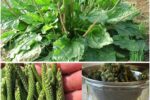
Here are actionable steps to try:
- Make a basic dandelion tea:
- Harvest or buy dried roots or leaves (about 1–2 teaspoons per cup).
- Steep in hot water for 5–10 minutes.
- Strain and enjoy plain or with a touch of honey. Start with one cup daily to see how your body responds.
- Add greens to meals:
- Pick young leaves in spring (less bitter).
- Rinse well, then toss into salads, smoothies, or sauté lightly like spinach.
- Massage with lemon juice or olive oil to mellow the bitterness.
- Roast the roots for a coffee-like drink:
- Clean and chop roots.
- Dry in the oven at low heat, then roast until brown.
- Grind and brew like coffee—great for a caffeine-free option.
- General tips:
- Begin with small amounts to monitor for any sensitivity.
- Drink plenty of water, especially if using as a tea, due to natural diuretic effects.
- Consult a healthcare provider first if you take medications (like diuretics, blood thinners, or diabetes drugs), have allergies to related plants (e.g., ragweed), or are pregnant/breastfeeding.
Many people report enjoying the earthy, slightly bitter flavor once they get used to it—think of it as nature’s gentle nudge toward more greens.

Why Dandelions Deserve a Second Look
In an era of expensive superfoods, dandelions remind us that powerful nutrition can be free and local. Their nutrient profile supports everyday wellness in subtle ways, from antioxidants protecting cells to fiber nurturing gut health. Traditional uses combined with emerging research paint a picture of a versatile plant worth appreciating rather than eradicating.
The best part? Trying dandelions costs little and connects you to nature in a tangible way. You might find a new favorite tea or salad addition that feels both nourishing and grounding.

FAQ
Is dandelion safe for daily use? Yes, in food amounts—like teas or greens—dandelions are generally considered safe for most people. Start low and monitor how you feel.
Can I harvest dandelions from my yard? Absolutely, if the area hasn’t been treated with chemicals. Avoid roadsides or public spaces that may have contaminants.

What’s the difference between dandelion leaf and root tea? Leaf tea tends to be more diuretic and nutrient-focused, while root tea offers earthier flavor with more inulin for gut support.
Disclaimer: This article is for informational purposes only and not intended as medical advice. Dandelions may interact with certain medications or cause allergic reactions in some individuals. Always consult a qualified healthcare professional before adding new herbs or supplements to your routine, especially if you have health conditions or take medications.
