
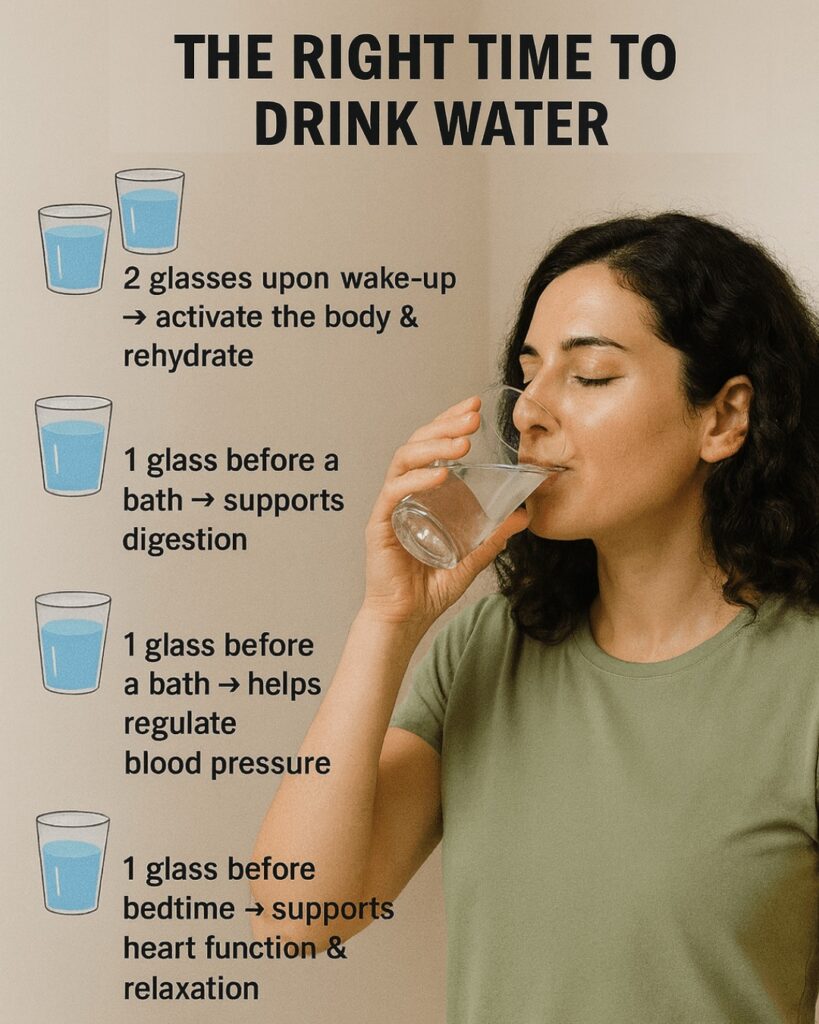
1. The Morning Activation Ritual: Two Glasses Upon Wake-Up
This is, arguably, the most crucial hydration moment of your entire day. You have just spent 6-9 hours in a state of dehydration. Your body has been working all night, repairing tissue, filtering blood, and breathing out moisture. Waking up dehydrated means starting the day with sluggish metabolism, reduced cognitive function, and often, fatigue mistaken for a need for caffeine.
The Physiological Impact:
- Immediate Rehydration and Metabolism Kickstart: The first two glasses of water upon waking flush out toxins accumulated overnight and instantly rehydrate your organs. This jolt tells your body, “We are open for business!” and can significantly increase your metabolic rate for up to an hour. Studies suggest this simple act can jump-start your energy expenditure.
- Gut Health and Organ Function: This volume of water stimulates peristalsis, the muscular contractions of the colon, which is essential for healthy and regular bowel movements. It cleanses the digestive tract, making the subsequent absorption of nutrients from breakfast more efficient.
- Cognitive Clarity: Your brain is approximately 75% water. Even mild dehydration can impair concentration, memory, and mood. A morning dose of water is like essential fuel for immediate mental sharpness, helping you tackle complex tasks with greater focus than a cup of coffee alone can provide.
The Strategy: Keep a bottle or two glasses by your bedside. Drink it before coffee or any other beverage. Make it the very first thing you consume.
2. The Digestive Primer: One Glass Before a Meal
The old myth warned against drinking water before a meal, fearing it would dilute stomach acid. Modern science debunks this. Strategic, moderate water intake before eating is a sophisticated tool for managing appetite, maximizing nutrient absorption, and supporting the mechanical and chemical processes of digestion.
The Physiological Impact:
- Aids Digestion: Water helps to lubricate the food bolus and prepare the stomach lining. It ensures the food is adequately moistened, making it easier for the stomach’s churning action (mechanical digestion) to break it down. Crucially, it assists in the production of sufficient digestive juices, including hydrochloric acid, as the body recognizes the intake and prepares for the meal.
- Weight Management and Satiety: Drinking water 30 minutes before a meal creates a feeling of partial fullness. This non-caloric volume signal helps curb overeating and can lead to a natural reduction in calorie intake during the meal. This is a foundational, non-restrictive strategy for long-term weight management.
- Nutrient Transportation: By ensuring optimal hydration levels before food enters the system, you facilitate the swift and efficient transport of vitamins, minerals, and other essential nutrients absorbed in the small intestine, delivering them via the bloodstream to the cells that need them most.
The Strategy: Aim to consume your glass of water approximately 30 minutes before your main meals. This gives the water time to move out of the stomach and prepare the system without interfering with the meal itself.
3. The Circulatory Regulator: One Glass Before a Bath or Shower
This is perhaps the most surprising and least-known “power sip.” It links directly to the circulatory system and how your body reacts to temperature changes.
The Physiological Impact:
- Blood Pressure Stabilization: A bath or shower, especially if hot, causes vasodilation (widening of the blood vessels) in the skin. This can momentarily lower blood pressure as blood rushes to the surface, and in some individuals, it can lead to dizziness or a feeling of light-headedness upon standing (orthostatic hypotension). Drinking water beforehand slightly increases blood volume. This pre-load helps the body manage the circulatory demands created by the heat-induced vasodilation, providing a buffer that aids in stabilizing blood pressure and mitigating the risk of fainting or dizziness.
- Relaxation Support: Beyond the purely mechanical effects, the water intake supports the body’s shift toward a more relaxed state. The gentle, internal regulation of temperature and blood flow complements the external relaxation provided by the bath, promoting a more profound sense of calm.
The Strategy: Drink this glass 5-10 minutes before stepping into the shower or bath. Think of it as preparing your internal system for the external warmth and resulting circulatory shift.
4. The Nocturnal Guardian: One Glass Before Bedtime
This is a delicate balance. Too much water, and your sleep is interrupted by bathroom trips. The right amount, however, can be a protective and restorative measure that works silently while you sleep.
The Physiological Impact:
- Cardiac Support: During sleep, the body’s processes slow down, but the circulatory system must continue its work. Dehydration causes the blood to thicken, making the heart work harder to pump it. A glass of water before bed ensures that your body maintains adequate hydration levels throughout the night, reducing the strain on the heart, especially for individuals at risk of nocturnal cardiac events. It supports the smooth flow of blood and is a proactive, preventative measure.
- Replenishing Nighttime Losses: We continue to lose water through breathing (insensible water loss) and sweating during the night. This glass acts as a reservoir to counteract these losses, minimizing the severity of morning dehydration and ensuring critical functions like hormone production and waste filtration continue unimpeded.
- Cramp Prevention: Nocturnal leg cramps are often linked to muscle dehydration and electrolyte imbalances. A pre-bed glass of water helps maintain fluid balance, which can reduce the frequency and intensity of these disruptive cramps.
The Strategy: Drink a small, measured glass (e.g., 6-8 ounces) about 30 minutes before you lie down. This provides the protective hydration benefit while hopefully allowing time for your bladder to clear, minimizing the risk of a necessary trip to the restroom during the night.