
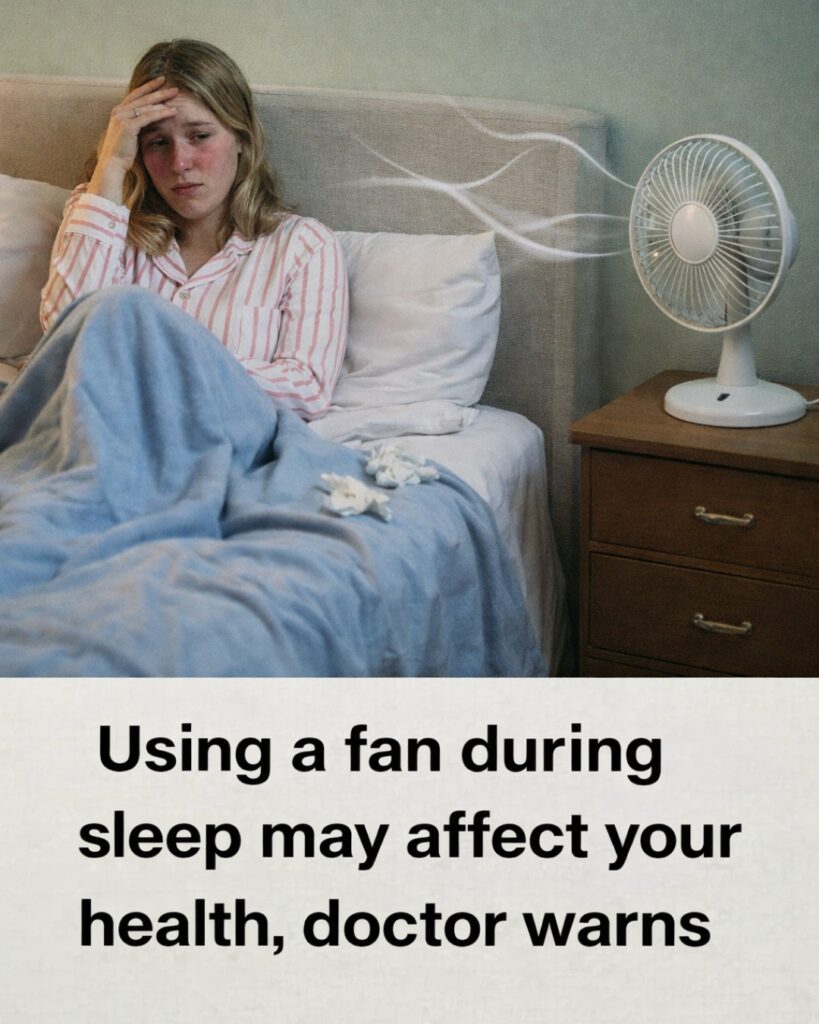
Sleeping With a Fan On All Night: A Common Habit That Could Affect Your Health
Millions of people around the world sleep with a fan running through the night. The gentle breeze and soft “white noise” can make it easier to fall asleep, especially during hot weather. However, health experts warn that this everyday habit may also bring several unexpected side effects if used improperly.
In this article, we’ll explore what really happens when you sleep with a fan on, the possible health issues it may cause, and simple tips to enjoy a cooler night without harming your well-being.
Why So Many People Sleep With a Fan On
Using a fan at night is extremely common because it offers several immediate benefits:
It cools the body and room temperature
It creates a calming background noise that helps some people fall asleep faster
It keeps air circulating in stuffy bedrooms
Airflow and ventilation can improve sleep comfort because excessive heat or poor air circulation can negatively affect sleep quality.
But while fans can help regulate temperature, constant airflow can also create issues that many people don’t notice at first.
5 Hidden Health Problems Linked to Sleeping With a Fan On
1. Dry Skin, Eyes, and Throat
One of the most common side effects of sleeping with a fan all night is dryness. Continuous airflow hitting your body can remove moisture from your skin and mucous membranes.
Experts note that circulating air from a fan can dry out the mouth, skin, and eyes, sometimes leading to irritation or discomfort the next morning.
You may wake up with symptoms such as:
Dry eyes
A scratchy throat

Chapped lips
Tight or irritated skin

People who already suffer from dry eye syndrome or sensitive skin may notice these effects more strongly.
2. Allergy and Sinus Problems
Fans don’t just circulate cool air — they also move dust, pollen, and pet dander around the room.
This means the fan may continuously blow allergens toward your face while you sleep. Studies and medical experts explain that fans can worsen allergy symptoms by stirring up airborne particles.
Possible symptoms include:
Sneezing
Runny nose
Congestion
Itchy eyes
Nighttime coughing
For people with asthma or severe allergies, the irritation may disturb sleep or worsen breathing problems.
3. Sinus Irritation and Mucus Overproduction
Dry air from constant airflow can irritate the nasal passages. When this happens, the body often reacts by producing more mucus to compensate for the dryness.

This reaction may cause symptoms such as headaches, blocked nose, or sore throat.
As a result, you might wake up feeling as if you’re catching a cold—even though the fan itself didn’t cause an illness.
4. Muscle Stiffness and Neck Pain
Sleeping with strong airflow directed at your body can also affect muscles.
Cold air hitting the same spot for hours may cause muscles to tighten or contract during the night.
This can lead to:
Stiff neck
Shoulder pain
Back tension
Many people notice this especially when the fan is pointed directly at their upper body.
5. Disrupted Sleep for Some People
While some people enjoy the white noise produced by a fan, others may find it distracting.
Noise, vibrations, or rattling sounds can disturb sensitive sleepers and interrupt deep sleep cycles.
Poor sleep quality may eventually lead to:
Fatigue
Difficulty concentrating
Reduced energy during the day

Is Sleeping With a Fan Actually Dangerous?
The good news is that sleeping with a fan on is generally considered safe for most people. However, experts say the habit can worsen certain symptoms or discomforts if used incorrectly.
For example, people with allergies, asthma, or sensitive skin may experience more noticeable side effects from continuous airflow.
How to Sleep With a Fan Without Harm
If you love the cool breeze of a fan at night, you don’t necessarily have to stop using it. Instead, try these safer habits:
1. Don’t Aim the Fan Directly at Your Body
Let it circulate air around the room instead of blowing straight onto your face or chest.
2. Clean the Fan Regularly
Dust buildup on fan blades can spread allergens around the room.
3. Use a Timer
Set the fan to turn off after you fall asleep to reduce overnight exposure.
4. Keep the Room Hydrated
A humidifier can help balance dry air caused by constant airflow.
5. Maintain Good Bedroom Ventilation
Fresh air circulation can help prevent stuffy environments without excessive airflow.
The Bottom Line
Sleeping with a fan on is a simple habit many people rely on for comfort. While it can help keep you cool and relaxed, constant airflow may also trigger dryness, allergies, sinus irritation, or muscle stiffness in some individuals.
The key is moderation. By adjusting the fan’s direction, keeping it clean, and using timers, you can enjoy a comfortable night’s sleep while minimizing potential health problems.
