
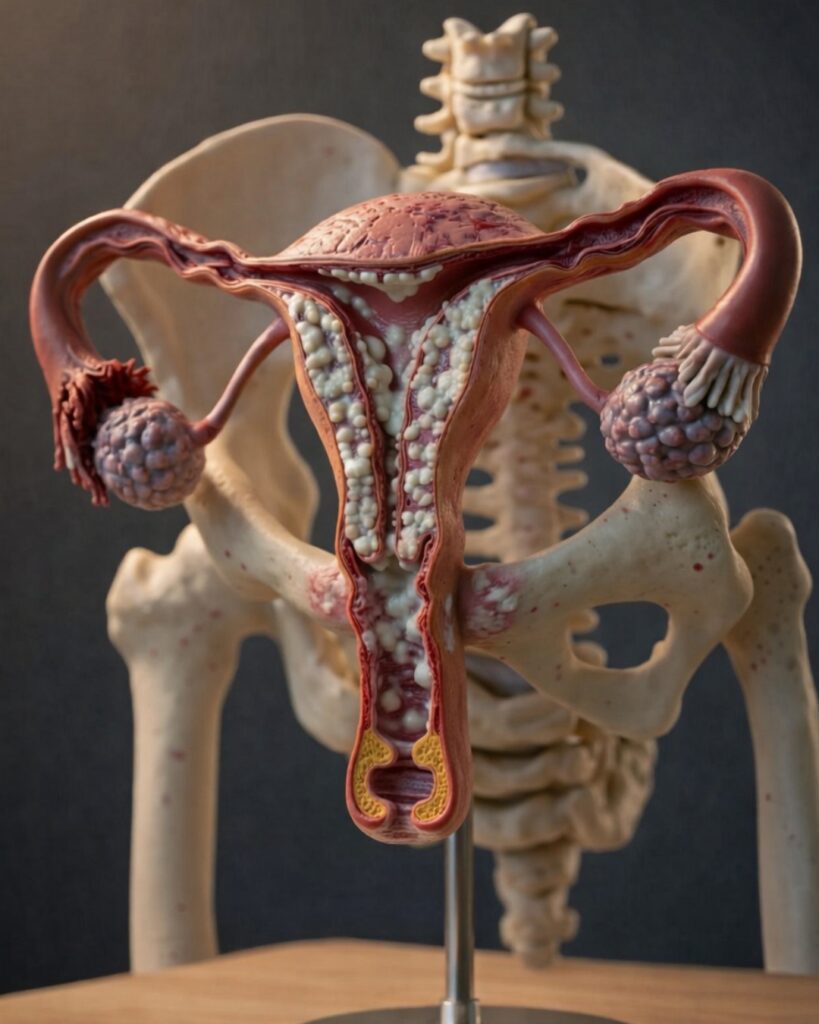
Signs You May Have a Vaginal Infection (And What to Do Early)
Many vaginal infections begin with subtle changes that are easy to overlook. A slight shift in discharge, mild itching, or a different odor might not seem serious at first. However, your body often sends early signals when something is off balance.
Recognizing the early signs of a vaginal infection can help you take action quickly, avoid discomfort, and prevent complications. Here’s what to watch for — and what steps to take next.
1. Unusual Vaginal Discharge
One of the most common signs of a vaginal infection is a noticeable change in discharge.
Healthy vaginal discharge is typically:
Clear or milky white
Mild in scent
Not accompanied by irritation
You may have an infection if your discharge becomes:
Thick and cottage cheese–like
Yellow, green, or gray
Foamy or watery
Strong-smelling
Different infections produce different discharge patterns. For example, yeast infections often cause thick white discharge, while bacterial infections may cause a thin gray discharge with odor.
If the change lasts more than a few days or worsens, it’s time to get evaluated.
2. Persistent Itching or Burning
Occasional mild irritation can happen due to sweating, tight clothing, or new hygiene products. But ongoing itching or burning is often a warning sign.
This symptom is especially common with:
Yeast infections
Allergic reactions
Certain sexually transmitted infections

Burning during urination may also indicate inflammation or infection. If discomfort interferes with daily life, do not ignore it.
3. Strong or Fishy Odor
A noticeable change in vaginal odor — especially a fishy smell — can signal an imbalance in vaginal bacteria.
This symptom is commonly linked to:
Bacterial vaginosis
Trichomoniasis
Odor that becomes stronger after intercourse is another important clue. A healthy vagina has a mild scent, but a strong, unpleasant smell is not typical and should be checked.
4. Pain During Intercourse
Pain or discomfort during intimacy is never something to dismiss. Vaginal infections can cause inflammation, dryness, or swelling that leads to painful intercourse.
This may happen with:
Yeast infections
Bacterial infections
Pelvic inflammatory conditions
If intimacy suddenly becomes uncomfortable and there are other symptoms present, consult a healthcare provider.
5. Redness or Swelling
Visible redness, swelling, or soreness around the vulva can indicate irritation or infection.
You may also notice:
Small cracks in the skin
Rash-like patches
Increased sensitivity
These symptoms are often associated with fungal infections but can also result from allergic reactions to soaps, pads, or detergents.
6. Lower Abdominal Discomfort
Mild cramping isn’t always related to your cycle. In some cases, vaginal infections can spread and cause deeper discomfort.

Seek medical attention urgently if you experience:
Fever
Severe pelvic pain
Nausea
Abnormal bleeding
These symptoms may indicate a more serious condition requiring immediate care.
What Causes Vaginal Infections?
Several factors can disrupt the natural balance of bacteria and yeast in the vagina:
Antibiotic use
Hormonal changes
Poor hygiene habits
Excessive douching
Tight, non-breathable clothing
Unprotected sexual activity
Maintaining balance is key. The vagina is self-cleaning and does not require harsh products.
What To Do If You Notice Symptoms
If you recognize any of these warning signs, take the following steps:
1. Avoid Self-Diagnosing
Different infections can have similar symptoms. Over-the-counter treatments may not always be appropriate.
2. Schedule a Medical Check
A simple exam and lab test can confirm the cause and guide proper treatment.
3. Avoid Douching
Douching can worsen infections by disrupting natural bacteria.
4. Wear Breathable Underwear
Cotton underwear and loose clothing help reduce moisture buildup.

5. Complete Prescribed Treatment
If medication is prescribed, finish the entire course — even if symptoms improve early.
When to See a Doctor Immediately
Seek urgent medical care if you experience:
Fever
Severe pelvic pain
Strong odor with green discharge
Bleeding between periods
Symptoms during pregnancy
Early diagnosis prevents complications and protects reproductive health.
How to Prevent Vaginal Infections
Prevention focuses on supporting the body’s natural balance:
Maintain gentle hygiene
Avoid scented products
Change out of wet clothes quickly
Practice safe intimacy
Support immune health with proper nutrition and sleep
Small daily habits can significantly reduce risk.
Final Thoughts
Many vaginal infections begin with minor changes that are easy to ignore. But your body often gives early warning signs. Paying attention to unusual discharge, odor, itching, or discomfort can help you act before symptoms worsen.
If something feels different or uncomfortable, trust your instincts. Early action makes treatment easier and recovery faster.
Health awareness is not something to overlook — it’s something to prioritize.
