
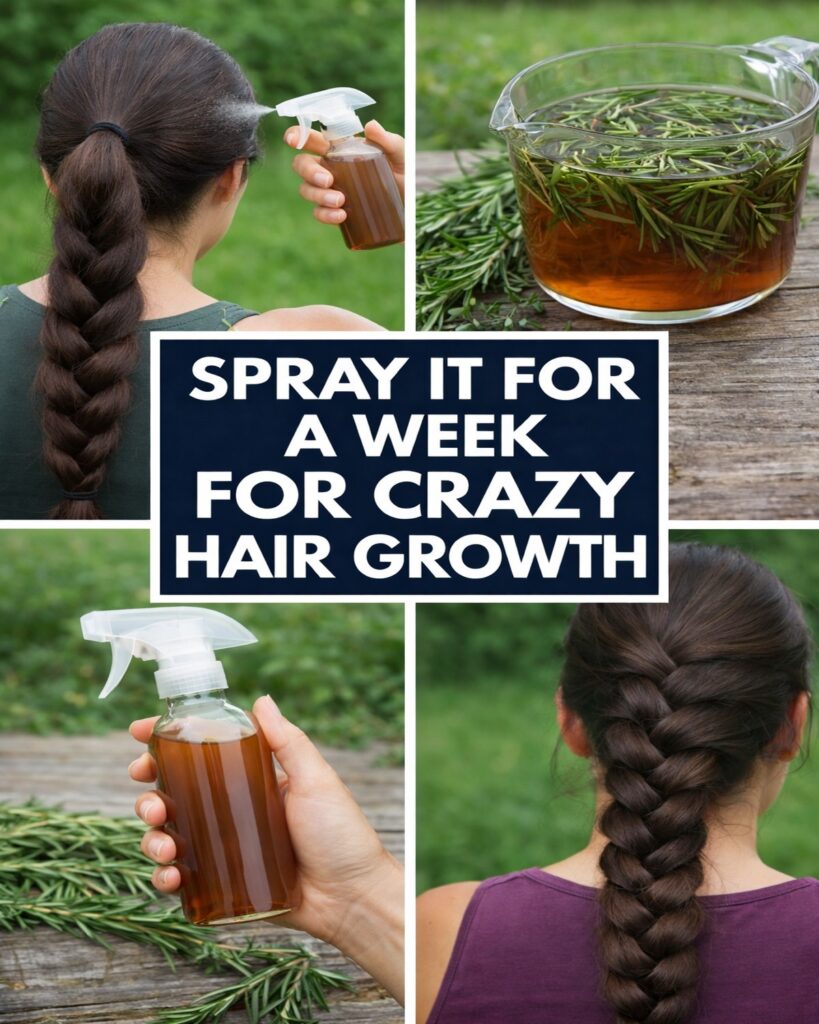
Rosemary Oil for 30 Days: What You May Actually Notice
Have you ever looked at your hairline in bright bathroom light and felt that quiet drop in your stomach?
Maybe your part looks wider. Maybe your ponytail feels thinner. Maybe you avoid mirrors on “bad hair days” because the stress hits before your coffee does.

You are not imagining how emotional this can feel.
Hair thinning can affect confidence, mood, and even how social you feel. That is why so many people are trying gentler routines, especially rosemary oil, hoping for something natural that feels less harsh than strong treatments.
But what can you realistically expect in 30 days?
Not miracles. Not overnight regrowth. But some people do notice meaningful changes, especially in scalp comfort and shedding. And the biggest surprise may be what improves first.
Why Rosemary Oil Became So Popular for Hair

Rosemary oil is not new, but it has exploded in popularity because it feels simple and familiar.
It comes from the rosemary plant and has a strong herbal scent that many people associate with freshness and “clean” care. For people frustrated with complicated hair routines, that alone can feel like a relief.
There is also a science angle behind the trend.
A commonly cited randomized trial compared rosemary oil with 2% minoxidil for androgenetic alopecia and found both groups improved hair count after six months, with less scalp itching reported in the rosemary group. That study has limits, but it is one reason rosemary oil keeps coming up in hair discussions. (PubMed)
You may be thinking, “So it works exactly like minoxidil?”
Not exactly.
The evidence is still limited, and dermatologists often describe rosemary oil as a supportive option, not a guaranteed replacement for medical treatments. Still, for many people, it is a practical starting point, especially when scalp irritation is part of the problem. (Health)
And that is where the 30-day story gets interesting.
What Changes Often Show Up First

Most people start rosemary oil hoping for growth.
But the first changes are often different: less itch, less dryness, less scalp irritation, and less shedding in the shower or on the brush. In other words, the scalp may feel healthier before the hair looks dramatically different.
That matters more than it sounds.
A calmer scalp can make your hair routine feel less stressful. You stop scratching. You stop switching products constantly. You become more consistent. And consistency is often the real engine behind better-looking hair over time.
Cleveland Clinic also emphasizes something important here: rosemary oil should be diluted with a carrier oil and applied to the scalp, not just the hair shaft, because scalp application is the focus of the routine. Patch testing is also recommended. (Cleveland Clinic)
But wait, before we get to the step-by-step method, let’s count down what people often report in the first month.
8 Things You Might Notice in 30 Days

8) Your scalp may feel less itchy or irritated
Lisa, 49, started rosemary oil because her scalp felt tight and itchy by the end of the day.
She was not even focused on growth at first. She just wanted comfort. After a week of diluted rosemary oil scalp massages, she noticed less irritation around the crown and hairline.
That is a common early win.
Rosemary oil is often discussed for its anti-inflammatory and antimicrobial properties, which may help some people feel less scalp discomfort. This does not mean it suits everyone, because essential oils can also irritate sensitive skin if overused or undiluted. (Health)
The key is gentle use.
A calmer scalp may not sound exciting, but it often sets up everything else. When your scalp is less irritated, you are more likely to stay consistent, and consistency is where the next changes can begin.
7) You may notice less shedding in the shower or on your brush
David, 53, said his biggest stress was seeing hair everywhere.
On his pillow. In the sink. On his shirt. He began taking monthly photos, but what he noticed first was the drain: fewer strands after washing, especially by week two or three.
This is one of the most common reports.

It does not always mean new hair is growing yet. Sometimes it means the scalp environment is improving or breakage is decreasing. Either way, it can feel like a huge emotional win.
You may be thinking, “What if I still shed?”
Some shedding is normal. Hair growth cycles naturally include shedding phases. The goal is not zero hair fall. The goal is a healthier pattern over time, and that is why the next change matters so much.
6) Your hair may feel softer or look shinier
This is the “unexpected cosmetic” benefit many people notice first.
Because rosemary oil is usually mixed with a carrier oil, the routine often makes the hair feel smoother and less dry, especially if your ends are brittle. Even before density changes, hair can look healthier and more polished.
That visual shift can be motivating.
When your hair reflects light better and feels softer after washing, you may feel more confident styling it. Some people describe this as “my hair looks more alive,” even if they are still waiting on growth.
But here is the catch.
Too much oil can leave hair limp or greasy, especially for fine hair. That is why proper dilution, scalp-focused application, and thorough shampooing matter. The routine should support your scalp, not coat your hair heavily every day.
5) Your scalp may feel healthier and less flaky

Maria, 58, was convinced she had “dry scalp forever.”
She started rosemary oil slowly, every other day, diluted in jojoba oil. By the end of the month, she said the flakiness around her hairline had decreased and her scalp felt less tight after shampooing.
That kind of improvement can be a big deal.
A healthier-feeling scalp often means less scratching, less picking, and less stress around styling. It can also help you tolerate a more consistent routine without constantly changing products.
But wait, there is something else many people notice around week three.
They start checking the hairline more often. Why? Because the next change, while subtle, can be exciting when it appears.
4) You may see tiny “baby hairs” around the hairline
This is where expectations need to stay realistic.
Some people report seeing short, fine hairs around the temples or hairline after a few weeks. Others notice nothing visible in 30 days. Both outcomes are normal.
Hair growth is slow.
The strongest clinical evidence around rosemary oil looked at six months, not 30 days. So if you do notice tiny new hairs early, think of it as a possible bonus, not a promise. (PubMed)
And be careful not to over-interpret every strand.
Sometimes shorter hairs are simply reduced breakage or normal regrowth cycles becoming more noticeable. Still, even a subtle sign can be encouraging, and that encouragement often helps people stick with the routine long enough to see the next benefit.
3) Your hair may feel a little thicker when you style it
This can happen before you see obvious growth in photos.
A healthier scalp, less breakage, and better moisture balance can make hair feel fuller at the roots or easier to style. Many people describe this as “my ponytail feels a bit stronger” or “my part doesn’t look as harsh.”
It is a texture and density perception shift.
That matters because confidence often returns before dramatic visual changes. You stop obsessing over every angle. You start styling your hair again instead of hiding it under hats or clips.
You may be thinking, “Is this just the oil coating my hair?”
Sometimes, partly yes.
But that is not a bad thing if the routine is also reducing irritation and helping consistency. The goal is healthier-looking hair over time, and a fuller feel is often part of that process.
2) You may become more consistent with hair care than ever before
This is the hidden benefit most people do not expect.

Rosemary oil works best when used consistently, and that consistency often spills into other habits. People start massaging their scalp more gently. They reduce heat styling. They wash more thoughtfully. They stop harsh brushing when stressed.
In other words, rosemary oil can become a ritual.
And rituals change outcomes.
David said he started with rosemary oil but ended up improving sleep, stress, and protein intake because he felt “back in the game” with his hair. That is not a side benefit. That is often the reason the routine helps at all.
Because hair health is never just one product.
It is scalp care, tension, nutrition, stress, and patience all working together, and rosemary oil can be the trigger that gets you moving.
1) You may feel more hopeful and less overwhelmed by your hair
This is the biggest shift of all.
Hair thinning often creates a helpless feeling. You try random products. You quit after a week. You compare photos in bad lighting. You feel discouraged before anything has a chance to work.
A 30-day rosemary routine can change that.
Not because it guarantees dramatic regrowth, but because it gives you a structured, gentle routine with realistic expectations. You start tracking progress. You notice patterns. You make better choices. You feel more in control.
And for many people, that emotional relief is the first real improvement.
Better scalp comfort, less shedding, and a sense of direction may not sound dramatic, but they can completely change how you feel about your hair journey. And that is often what keeps progress going.
How to Apply Rosemary Oil Safely Every Day
Rosemary oil is potent, so dilution matters.
Applying it straight from the bottle can irritate the scalp, especially if you already have sensitivity, eczema, or a compromised skin barrier. Expert guidance commonly recommends mixing rosemary essential oil with a carrier oil before scalp use. (Cleveland Clinic)
Start with a patch test first.
Apply a small diluted amount to your inner arm or behind the ear and wait 24 hours. If you notice burning, rash, or swelling, stop and do not use it on your scalp.
Here is a simple daily method many people use.
- Mix 3–5 drops rosemary essential oil with 1 tablespoon carrier oil (jojoba, argan, or coconut).
- Part your hair in sections.
- Apply the mixture directly to the scalp, not just the hair.
- Massage gently for 5–10 minutes.
- Leave on 30 minutes (or overnight if tolerated).
- Shampoo thoroughly to remove residue.
You do not have to be perfect.
If daily feels too heavy for your scalp or hair type, every other day is still a consistent routine. The best schedule is the one your scalp can tolerate comfortably.
Rosemary Oil and Rice Water: A Smart Pairing or Just Hype?
Rice water is the starchy liquid left after soaking or rinsing rice.
It has a long history in traditional hair care, and many people use it for shine, smoothness, and strength. Scientific evidence for hair growth is still limited, but there is research and historical discussion suggesting rice-derived inositol may help reduce friction and support the hair shaft. (spring8.or.jp)
That is why the pairing makes sense.
Rosemary oil focuses more on the scalp. Rice water is often used more for the hair lengths and shaft feel. Together, they create a routine that supports both scalp health and cosmetic hair quality.
But keep expectations grounded.
Rice water may make hair feel stronger or smoother, but it is not a proven hair-growth treatment. Think of it as a low-cost, low-risk add-on for shine and manageability rather than a miracle rinse.
Simple rice water rinse method
- Rinse 1/2 cup rice.
- Soak in 2–3 cups water for 30 minutes.
- Strain the liquid.
- After shampooing, pour over hair and scalp.
- Leave for 10–20 minutes.
- Rinse well with cool water.
Use it once or twice a week.
Too much protein-like or starchy buildup can make some hair types feel stiff, so pay attention to how your hair feels.
Two 30-Day Case Studies
Case Study 1: Karen, 47, stress shedding and scalp itch
Karen started noticing more shedding during a stressful work season.
Her scalp also felt itchy, which made her scratch unconsciously. She began a diluted rosemary oil routine at night, four times a week, and took photos on day 1 and day 30.

By the end of the month, she did not see dramatic regrowth.
But she did notice less itch, fewer hairs on her pillow, and a calmer scalp after washing. Her photos looked similar overall, but the hair around her part looked slightly less frizzy and healthier.
Her words were honest: “I’m not transformed, but I feel better and I’m finally consistent.”
That is a strong month-one result.
Case Study 2: Michael, 55, thinning temples and brittle hair
Michael was worried about thinning around the temples and a dry scalp.
He used rosemary oil diluted in jojoba oil every other day and added a rice water rinse once weekly. He also reduced blow-drying and started eating more protein at breakfast.
At 30 days, he noticed tiny short hairs at one temple, but he was not sure if they were new growth.
What he was sure about was this: his scalp felt less flaky, and his hair looked shinier and felt stronger when styling. He kept going because the routine felt sustainable, not extreme.
That is the key word: sustainable.
What to Track During Your 30-Day Trial
If you want a fair test, track more than “growth.”
Hair changes are easy to miss in daily mirror checks. You need a better system.
- Take photos on Day 1, Day 15, and Day 30 in the same lighting.
- Track scalp itch (0–10).
- Track shedding (light / moderate / heavy).
- Track flake level (none / mild / noticeable).
- Note any irritation after application.
- Write down your schedule so you know what you actually did.
This helps you avoid two common mistakes.
Quitting too early because you expect too much, or overusing the oil because you think more equals faster results. It usually does not.
Ingredient Comparison and Routine Roles
| Aspect | Rosemary Oil | Rice Water |
|---|---|---|
| Main focus | Scalp support and potential growth support | Hair shaft feel, smoothness, shine |
| Evidence level | Some clinical evidence, still limited | Mostly traditional and anecdotal |
| Best use frequency | Daily or every other day (if tolerated) | 1–2 times weekly |
| Application area | Scalp | Hair lengths + scalp rinse |
| Biggest early win | Less itch or shedding | Smoother feel, less friction |
Safe Use and Troubleshooting Guide
| Step | What to Do | Safety Notes |
|---|---|---|
| 1 | Dilute rosemary oil | Never apply undiluted essential oil to scalp |
| 2 | Patch test first | Wait 24 hours before full use |
| 3 | Apply to scalp only | Focus on roots, not heavy coating on ends |
| 4 | Massage gently | Avoid aggressive rubbing or scratching |
| 5 | Shampoo thoroughly | Remove residue to prevent buildup |
| 6 | Start slower if sensitive | Every other day may work better |
| 7 | Stop if irritation develops | Burning, rash, or worsening shedding needs pause |
| 8 | See a dermatologist for persistent hair loss | Especially if sudden, patchy, or severe |
You may be thinking, “What if I do everything right and still see no change?”
That can happen.
Hair thinning has many causes, including genetics, hormones, thyroid issues, iron deficiency, autoimmune conditions, and stress. If your shedding is sudden, patchy, or worsening quickly, it is worth getting medical advice instead of relying only on home care.
Your 30-Day Rosemary Challenge
If you want to try this, keep it simple.
Choose one carrier oil. Dilute rosemary oil properly. Apply consistently. Take photos. Add one supportive habit, like more protein or less heat styling.
That is enough.
By day 30, you may not have dramatic regrowth, but you may notice a calmer scalp, less shedding, softer hair, or a little more confidence. And those are real improvements worth building on.
The goal is not perfection.
The goal is a routine you can actually keep, because healthier-looking hair usually comes from gentle care repeated for months, not hype repeated for days.
This article is for informational purposes only and does not replace professional medical advice — readers are encouraged to consult a healthcare provider or dermatologist for personalized guidance.
