
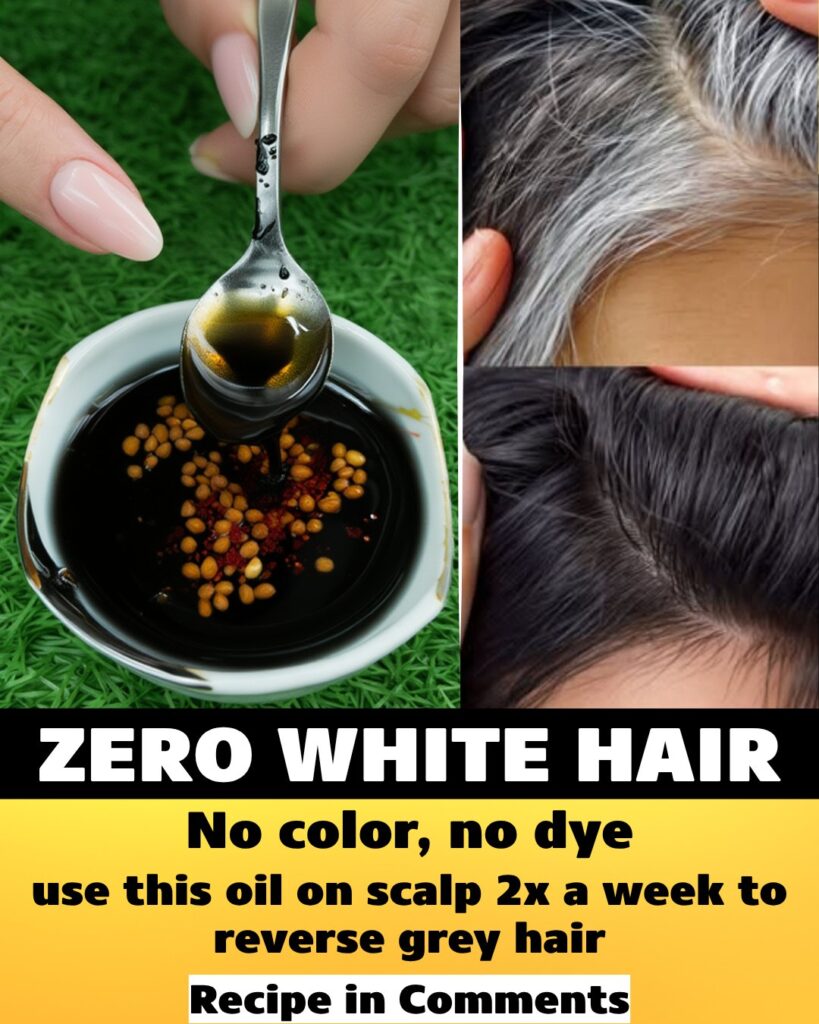
Roasted Onion Peel Oil: Reverse Gray Hair, Extreme Hair Growth
Onion peels—the papery skins we usually toss—are a surprisingly rich source of antioxidants. When slowly infused into hair-friendly oils, these peels can create a powerhouse scalp oil that supports thicker-looking hair, calmer scalps, and healthier strands. While no home remedy can guarantee overnight regrowth or truly “reverse” gray hair, antioxidant-rich infusions may help defend the scalp from oxidative stress (a contributor to premature greying and shedding), and a consistent warm-oil routine can improve the scalp environment so hair looks fuller and stronger over time.
Ingredients Required
Clean, dry onion peels (skins from 6–8 large red or yellow onions)
Coconut oil – penetrates well and helps reduce protein loss from hair
Castor oil – thick, occlusive; great for sealing in moisture
Amla (Indian gooseberry) powder or oil – classic Ayurvedic scalp ally
Fresh curry leaves (a handful) – traditional hair tonic addition

Optional boosters: 1 tsp fenugreek seeds for slip and scalp comfort; 3–4 drops rosemary essential oil after cooling for a fresh aroma
Procedure
Prep the peels. Rinse onion peels to remove dust. Pat completely dry.
Lightly roast (the key). In a dry, wide pan on the lowest heat, add the peels and stir for 3–5 minutes until they turn a touch crisper and deepen slightly in color. Avoid browning—burnt peels can smell harsh.
Build the infusion. Add 1 cup coconut oil + ¼ cup castor oil to the warm pan. Stir in 1–2 tbsp amla powder and the curry leaves (and fenugreek, if using). Keep heat very low; let it gently bubble at the edges (not fry) for 25–30 minutes, stirring occasionally.
Cool & settle. Turn off heat; let herbs steep as the oil cools to room temperature (30–60 minutes).
Optional rosemary. Once cool, strain through a fine sieve/cloth. When the oil is warm, not hot (below ~40°C), add 3–4 drops rosemary essential oil and swirl.
Bottle. Transfer to a dark glass bottle. Shelf life: 8–10 weeks in a cool, dark place.
Why roast? Gentle roasting helps drive off moisture and can open the peel’s structure, encouraging a richer infusion with fewer raw-onion notes.

Instructions (How to Use)
Scalp massage (2–3×/week):
Warm 1–2 teaspoons between your palms. Part hair and massage onto the scalp for 3–5 minutes to encourage micro-circulation. Leave on 45–90 minutes (or overnight if comfortable), then shampoo.Lengths treatment (weekly):
Smooth a pea-to-almond sized amount through mid-lengths to ends pre-wash to boost softness and shine.Consistency: Visible improvements in look/feel typically require 6–8 weeks of routine use.
Patch test first: Apply a dab to the inner elbow/behind the ear for 24 hours. Discontinue if redness or itching occurs.
Scent tip: If onion aroma lingers, finish with a light rinse of diluted apple cider vinegar before conditioner.
Benefits of the DIY
Antioxidant support for scalp & hair: Onion peel infusion offers a concentrated antioxidant hit to help buffer everyday oxidative stress linked with dullness, brittleness, and premature greying look.
Stronger-looking strands: Coconut oil helps reduce protein loss; castor oil locks in moisture, promoting smoother, glossier hair that resists breakage.
Follicle-friendly ritual: Amla and curry leaves are traditional hair allies, and regular massage supports a healthier scalp environment—often the difference between limp and fuller-looking hair.
Better manageability: Fenugreek adds slip and softness, helping with detangling and reducing mechanical breakage during combing.
Cost-effective & low-waste: Uses peels you’d normally discard, turning kitchen scraps into premium-feeling hair care.
Smart Tips
Prefer red onion peels for a richer hue and warmer aroma.
If your scalp is sensitive, increase the coconut-to-castor ratio (e.g., 5:1) and shorten contact time.
To tame scent further, add 2–3 lightly crushed green cardamom pods during infusion and strain.
