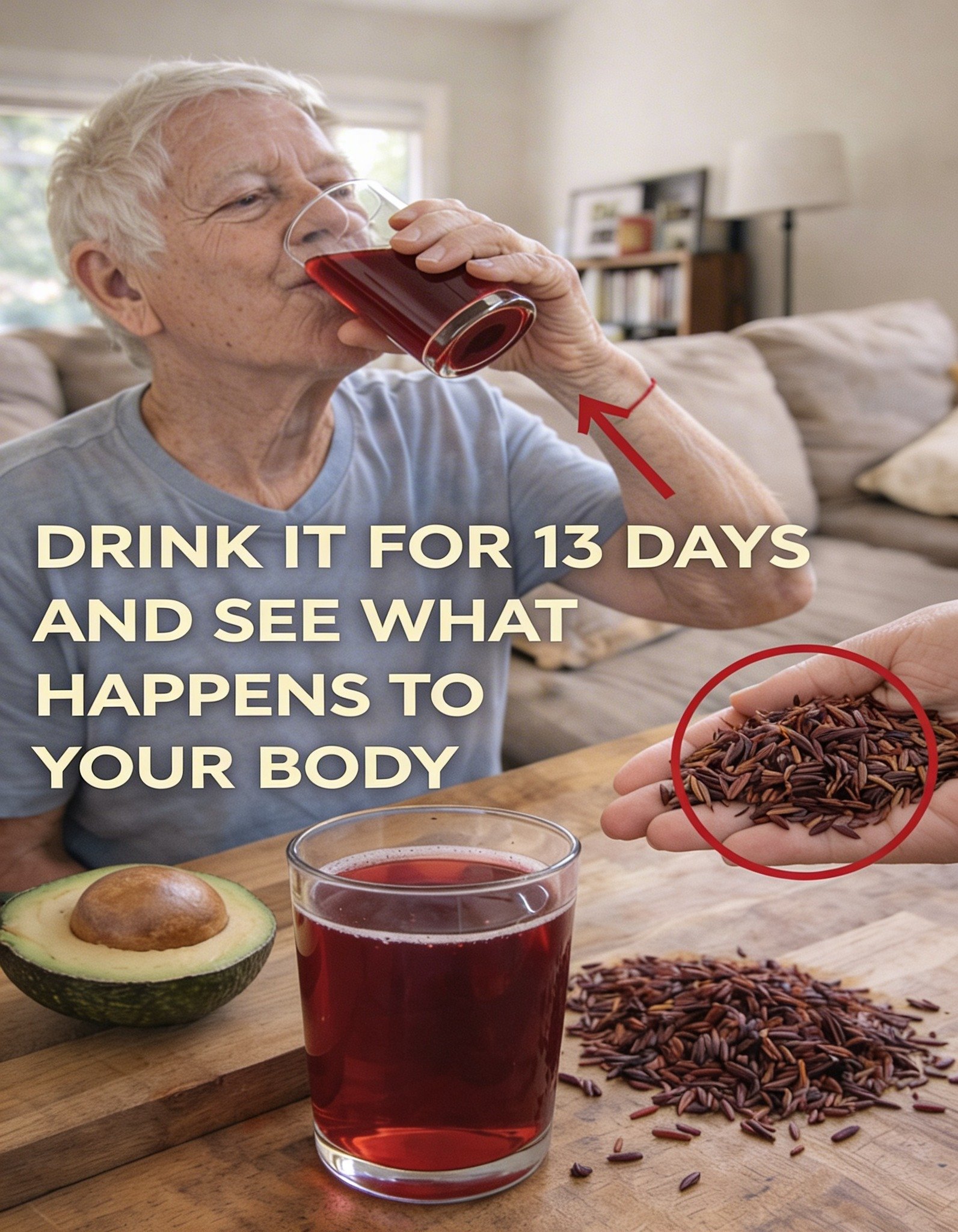
Red Rice Drink Trend Explained Benefits Safety and What Science Actually Says
Feeling tired, worried about blood pressure, or concerned about long term health can make anyone search for simple food based solutions. Social media often promotes a single seed or drink as the answer to everything from blood sugar swings to circulation problems, which only adds to the confusion. The idea of drinking a red rice infusion for a few days and expecting dramatic changes sounds tempting, especially when health information feels overwhelming. But before you pour another glass, there is something important you need to understand about what this trend can and cannot do, and the final section may surprise you.

What Is the Red Rice Drink People Are Talking About
The trending drink is usually made from red rice, sometimes called red yeast rice or whole grain red rice depending on the version used.
Red rice is a type of whole grain that gets its color from natural plant compounds called anthocyanins. These are the same family of antioxidants found in berries and purple vegetables. In some cases, people also refer to red yeast rice, which is rice fermented with a specific type of yeast. That version contains naturally occurring compounds that have been studied for their effect on cholesterol levels.
Here is where it gets interesting.
Not all red rice drinks are the same. Some are simply boiled whole grain red rice water. Others are made from fermented red yeast rice. The nutritional profile and safety considerations can differ significantly.
Understanding the difference matters.
Why This Trend Became So Popular
The idea of a single seed that can empty hospitals is emotionally powerful. It taps into three common fears:
• Fear of chronic illness
• Fear of expensive medical care
• Fear of losing control over your health
When a simple kitchen ingredient promises balance for blood sugar, support for circulation, and help with blood pressure, it feels empowering.
But that is not the whole story.
Many of the health claims circulating online combine small scientific findings with exaggerated conclusions. While research does support certain benefits of whole grains and plant compounds, no single food can replace comprehensive medical care or healthy lifestyle habits.
Still, red rice does have some real nutritional value worth exploring.

Nutritional Profile of Red Rice
Red rice is considered a whole grain. That means it retains its bran and germ layers, which contain fiber, vitamins, and minerals.
Typical nutrients found in red rice include:
• Dietary fiber
• B vitamins
• Iron
• Magnesium
• Antioxidants such as anthocyanins
Fiber is especially important. According to research published in journals focused on nutrition and cardiometabolic health, higher intake of whole grains is associated with better heart health and improved metabolic markers.
But here is what many posts leave out.
The benefits observed in studies come from consistent long term dietary patterns, not from drinking a single food for thirteen days.
Potential Benefits of Red Rice Based on Research
Let us break this down carefully and responsibly.
1. Support for Heart Health
Whole grains, including red rice, have been linked in large population studies to improved cardiovascular markers. Fiber may help maintain healthy cholesterol levels when combined with an overall balanced diet.
Red yeast rice, specifically, has been studied for its natural compounds that influence cholesterol metabolism. However, supplements made from red yeast rice can vary widely in strength and purity, and they are not the same as simply drinking red rice water.
This distinction is crucial.
2. Blood Sugar Balance
The fiber in whole grain red rice slows digestion compared to refined white rice. Slower digestion can support more stable blood sugar responses after meals.
Studies on whole grain consumption suggest that diets rich in fiber are associated with better glucose regulation. However, this does not mean red rice alone can manage diabetes or replace prescribed care.

3. Circulation and Antioxidant Support
Anthocyanins found in red rice act as antioxidants. Antioxidants help protect cells from oxidative stress, which plays a role in many chronic conditions.
Some laboratory and observational research suggests that anthocyanin rich foods may support vascular function. Still, these findings refer to overall dietary patterns, not a short term drink protocol.
And that changes the conversation.
What Red Rice Cannot Do
It is important to say this clearly and responsibly.
There is no high quality scientific evidence showing that any single seed or drink can eliminate complex diseases such as cancer, diabetes, or high blood pressure.

Chronic conditions develop due to a combination of genetics, lifestyle, environment, and other health factors. Managing them usually requires:
• Medical supervision
• Lifestyle adjustments
• Long term dietary changes
• Sometimes medication
Promising that a food can replace all of that is not only misleading but potentially harmful.
But do not stop reading here, because there is a smarter way to think about this trend.
The Real Power of a Simple Habit
Instead of asking whether red rice can solve everything, consider this:
What happens if you use it as part of a healthier routine?
For thirteen days, if someone:
• Replaces sugary drinks with unsweetened red rice water
• Adds more whole grains to meals
• Reduces processed snacks
• Drinks more water
• Moves their body daily
They might notice positive changes.
Not because of magic.
But because of cumulative healthy habits.
This is the part most viral posts ignore.
How to Make a Simple Red Rice Drink at Home
If you are curious and want to try it safely, here is a basic method using whole grain red rice.
Step by Step Guide
- Rinse one half cup of whole grain red rice thoroughly.
- Soak the rice in clean water for four to six hours.
- Boil the rice in three cups of water for about thirty minutes.
- Strain the liquid and let it cool.
- Store in the refrigerator and consume within two days.
Keep it plain. Avoid adding large amounts of sugar or sweetened syrups.
Moderation is key. One small glass per day is more than enough if you choose to include it.
Who Should Be Cautious
While whole grain red rice is generally safe as a food, certain individuals should speak with a healthcare professional before consuming red yeast rice products in particular.
Be cautious if you:
• Take cholesterol lowering medications
• Have liver conditions
• Are pregnant or breastfeeding
• Have multiple chronic conditions
Red yeast rice supplements can contain compounds similar to certain prescription medications. Food versions are different, but confusion between the two is common.
Better safe than sorry.
Comparing Red Rice With Other Whole Grains
Here is a simple comparison to give perspective.
Whole Grain | Fiber Content | Antioxidants | Unique Features
Brown rice | Moderate | Low to moderate | Mild flavor and widely available
Red rice | Moderate | Higher due to anthocyanins | Rich color and nutty taste
Black rice | Moderate | Very high anthocyanins | Deep purple color
Quinoa | Moderate | Moderate | Higher protein content
As you can see, red rice is nutritious, but it is not uniquely superior in every category.
Variety often brings more benefit than focusing on a single grain.

Smart Ways to Maximize the Benefits
If you want to truly support your heart, metabolism, and circulation, consider these evidence informed strategies:
Build a Balanced Plate
Fill half your plate with vegetables, one quarter with whole grains such as red rice, and one quarter with lean protein.
Focus on Fiber Goals
Aim for twenty five to thirty grams of fiber daily from a variety of sources including beans, oats, fruits, and vegetables.
Reduce Ultra Processed Foods
Highly processed snacks and sugary drinks contribute more to long term health risks than the absence of a specific seed.
Stay Physically Active
Research consistently shows that regular physical activity supports cardiovascular and metabolic health.
Prioritize Sleep and Stress Management
Chronic stress and poor sleep affect blood pressure, blood sugar, and overall wellbeing more than many people realize.
Now here is the open loop we mentioned earlier.
The secret is not in the seed itself. It is in the system you build around it.
The Psychological Effect of Health Rituals
There is another layer to this trend.
When someone commits to drinking a specific healthy beverage for thirteen days, they often become more mindful of other choices. That sense of commitment can trigger a chain reaction of better habits.
Behavioral science shows that small, consistent actions can strengthen identity based habits. When you see yourself as someone who prioritizes health, your decisions gradually align with that identity.
That shift is powerful.
And it has nothing to do with miracle claims.
Final Thoughts
Red rice is a nutritious whole grain that contains fiber and antioxidant compounds. Including it in a balanced diet may support overall wellness as part of long term healthy habits.
However, no single food or drink can replace medical care or eliminate complex diseases. Sustainable health comes from consistent lifestyle patterns, not short term challenges.
If you choose to try a red rice drink, view it as one small piece of a bigger picture. Pair it with balanced meals, movement, stress management, and regular medical checkups.
That is where real change begins.
Frequently Asked Questions
Can drinking red rice water daily improve blood pressure
Red rice contains fiber and plant compounds that may support overall heart health when part of a balanced diet. However, it should not replace medical advice or prescribed care for blood pressure management.
Is red yeast rice the same as regular red rice
No. Red yeast rice is fermented with a specific yeast and contains different compounds. Whole grain red rice is simply a colored variety of rice. They have different properties and safety considerations.
How long does it take to notice benefits from whole grains
Research suggests that consistent dietary patterns over weeks and months contribute to measurable changes in health markers. Short term use alone is unlikely to create dramatic results without other lifestyle adjustments.
Disclaimer This article is for informational purposes only and does not replace professional medical advice, diagnosis, or individualized healthcare guidance. Always consult a qualified healthcare provider regarding any concerns about your health.
