
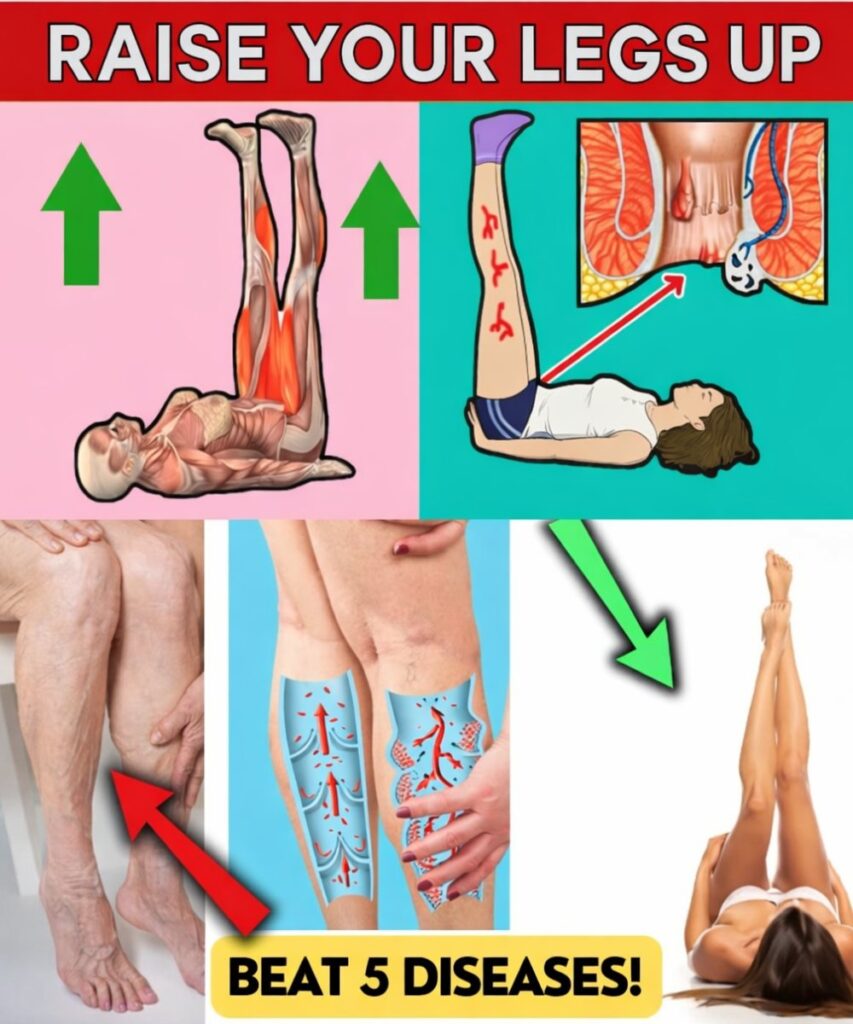
Over 80% of adults deal with tired, heavy legs or swelling by the end of the day. The constant pull of gravity, long hours sitting or standing, and the stress of modern life leave your lower body feeling drained, achy, and uncomfortable. That heaviness doesn’t just stay in your legs—it can affect your back, your sleep, and even your mood.
But here’s the good news: a simple, no-equipment practice called Legs Up the Wall (Viparita Karani in yoga) can help your body reset naturally. Just 10–20 minutes a day may ease discomfort, support circulation, and bring a deep sense of calm. Keep reading to discover exactly how this gentle pose works—and why so many people say it’s a game-changer.
The Hidden Toll of Gravity on Your Body
Gravity is relentless. When you sit or stand for hours, blood and lymph fluid can pool in your lower legs, leading to fatigue, swelling, and that familiar “heavy” feeling.
Research shows that prolonged sitting or standing contributes to lower extremity edema in a significant percentage of adults. Over time, this can add strain to your veins, lower back, and even your digestive system.
The result? You finish the day exhausted, restless at night, and wondering why simple things like walking or relaxing feel harder than they should.
What if reversing gravity for a few minutes each day could help your body drain that buildup and restore balance?
Why Legs Up the Wall Is So Effective
This restorative yoga pose is a mild inversion—meaning your legs are higher than your heart. By flipping gravity’s direction, it encourages fluid to move back toward your core, supports venous return, and activates your parasympathetic nervous system (the “rest and digest” mode).

Experts at the Cleveland Clinic note that elevating the legs helps recirculate stagnant fluids. Studies on gentle inversions also link the practice to reduced stress markers and improved relaxation response.
No special skills or flexibility required. Just a wall and a few quiet minutes.
How to Do Legs Up the Wall Pose (Step-by-Step)
- Find a clear wall space and place a folded blanket or yoga mat on the floor for comfort.
- Sit sideways with one hip touching the wall.
- Swing your legs up the wall as you lower your upper body to the floor. Scoot your hips as close to the wall as feels comfortable (a few inches away is fine).
- Rest your arms by your sides or on your belly. Close your eyes and breathe slowly.
- Stay for 10–20 minutes. To come out, bend your knees, roll to one side, and sit up gently.
Tip: If your hamstrings feel tight, keep a small gap between your hips and the wall or place a folded blanket under your lower back for support.
Ready for the benefits? Let’s dive in.
15 Potential Benefits of Daily Legs Up the Wall Practice
1. Eases Leg Fatigue and Heaviness
Standing or sitting all day overloads your veins. Elevation allows gravity to drain excess fluid, reducing that “lead legs” sensation. Many people notice lighter legs within minutes.

2. Reduces Swelling and Edema
Clinical observations show leg elevation significantly decreases lower-limb volume after prolonged standing. Teachers, nurses, and retail workers often report less ankle and foot puffiness.

3. Supports Healthy Circulation
By improving venous return, the pose may reduce the heart’s workload and deliver fresher blood to tissues.

4. Calms Nervous Tension and Stress

Deep breathing in this position activates the parasympathetic response. Studies on restorative yoga show measurable drops in cortisol and anxiety.
5. Helps Relieve Lower Back Discomfort
The gentle stretch to hamstrings and slight pelvic tilt can ease spinal compression. Many with desk-job back tension find relief.

6. Promotes Better Sleep Quality
Doing the pose before bed helps shift the body into relaxation mode. Research on yoga inversions links them to faster sleep onset and deeper rest.
7. May Ease Menstrual Cramps
Improved pelvic circulation and relaxation can soften discomfort during menstruation for some women.
8. Supports Healthy Digestion
By encouraging abdominal blood flow and parasympathetic activation, the pose may help gentle motility.

9. May Help Prevent or Soothe Hemorrhoids
Better pelvic circulation reduces venous congestion in the area.
10. Improves Pelvic Floor Relaxation
The supported position allows tight pelvic muscles to release.
11. Gently Stretches Hamstrings
A passive, comfortable way to lengthen tight back-of-leg muscles without strain.
12. Encourages Overall Mind-Body Relaxation
The stillness and controlled breathing create a meditation-like state.

13. Builds a Simple Daily Wellness Ritual
10–20 minutes of consistency creates cumulative benefits over weeks.
14. Pairs Beautifully with Other Healthy Habits
Combine with hydration, gentle walking, and deep breathing for amplified effects.
15. Gives You a Free, Accessible Reset Tool
No gym, no equipment, no cost—just profound potential relief.
Common Issues vs. How Legs Up the Wall May Help
| Issue | Common Challenge | How the Pose May Help |
|---|---|---|
| Leg swelling/edema | Fluid pooling from gravity | Encourages drainage and venous return |
| Heavy, tired legs | Prolonged sitting or standing | Reduces pressure on lower veins |
| Daily stress | Overactive sympathetic nervous system | Activates parasympathetic “rest” response |
| Lower back tension | Tight hamstrings and poor posture | Gentle stretch and spinal decompression |
| Poor sleep | Racing mind and physical discomfort | Promotes deep relaxation before bed |
Sample 4-Week Progression Plan
| Week | Duration & Focus | Expected Changes (Individual Results Vary) |
|---|---|---|
| 1–2 | 10 minutes in the evening | Less heaviness, easier unwinding |
| 3–4 | 15–20 minutes, add deep belly breathing | Reduced swelling, calmer nights |
| 5–8 | Consistent timing + optional bolster | Noticeable energy boost, better digestion |
| 9+ | Combine with hydration and short walks | Sustained comfort and overall wellness |
Advanced Tips for Deeper Benefits
- Use support: Place a folded blanket or bolster under your hips for a more restorative angle.
- Add breathing: Inhale for 4 counts, exhale for 6—enhances relaxation response.
- Evening routine: Dim lights and play soft music for faster calm.
- Eye pillow: Blocks light and deepens the meditative effect.
- Start gently: If new to the pose, begin with 5 minutes and gradually increase.
Final Thoughts: Your Simple Daily Reset Awaits
Raising your legs up the wall is one of the easiest ways to give your body a natural break from gravity’s daily demands. With consistent practice, many people experience lighter legs, reduced swelling, calmer nerves, and better rest.
Start tonight—10 minutes is all it takes to feel the difference. Your body will thank you.
Frequently Asked Questions
How long should I hold Legs Up the Wall pose?
Most people feel benefits in 10–20 minutes. Start shorter if you’re new and build up.
Is Legs Up the Wall safe for everyone?
Generally yes, but avoid or modify if you have glaucoma, uncontrolled high blood pressure, or recent neck injury. Always check with your doctor first.
When is the best time to do this pose?
Evening or before bed is ideal for relaxation and sleep support, but anytime you need a reset works.
Disclaimer: This article is for informational purposes only and is not a substitute for professional medical advice, diagnosis, or treatment. Always consult your healthcare provider before starting any new wellness practice, especially if you have existing health conditions. Individual results may vary.
