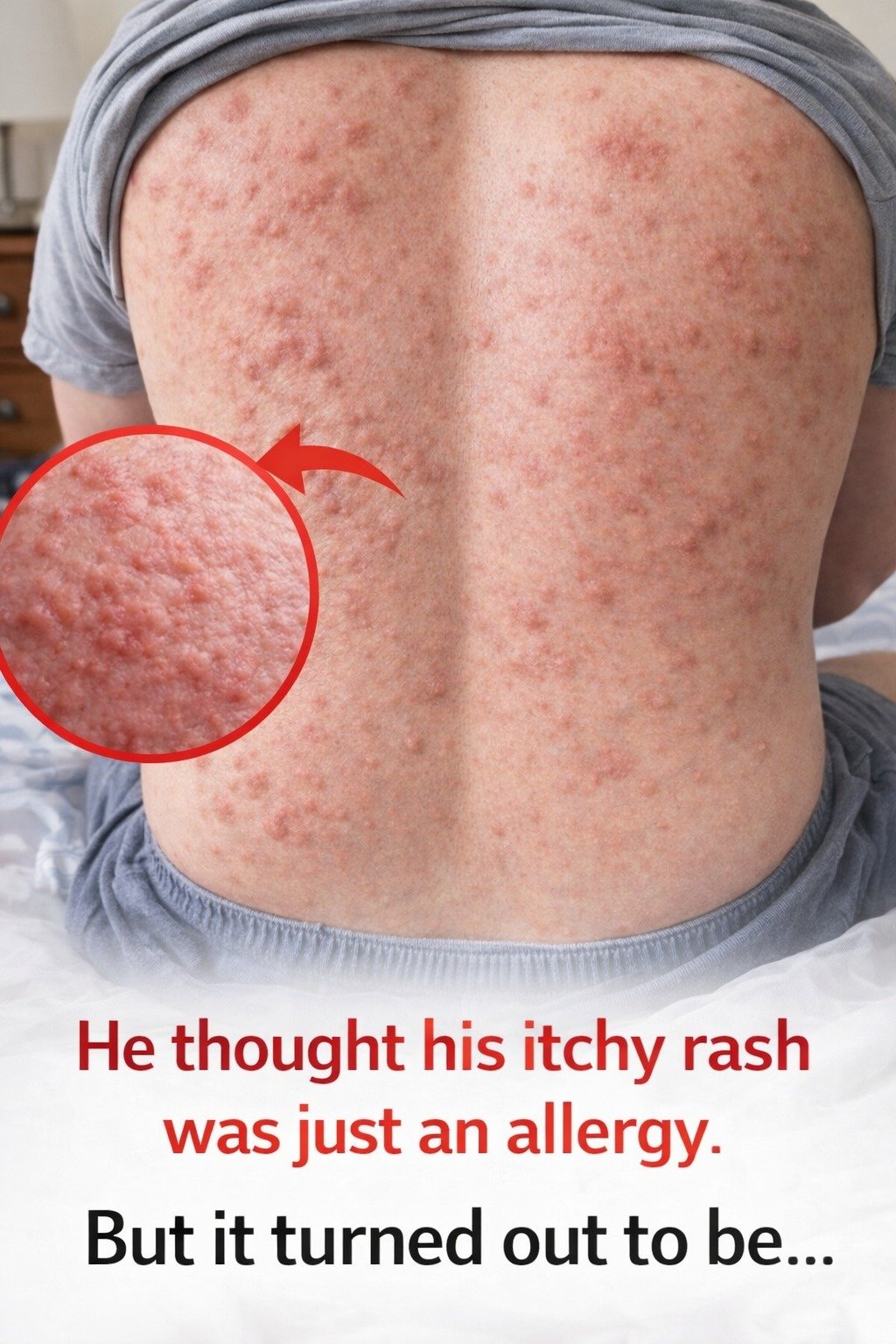
Constant itching can slowly take over your day. At first, it feels minor, something easy to blame on heat, laundry detergent, or a simple allergy. But when the redness spreads, the bumps become more noticeable, and the discomfort refuses to fade, frustration quickly turns into worry. Many people ignore these signs longer than they should, only to discover there is more going on beneath the surface and what that hidden trigger might be could surprise you.
Why an Itchy Rash Is Not Always “Just an Allergy”
It is common to assume that itching equals allergy. After all, allergies are widely discussed and easy to blame. However, the skin is a complex organ, and itching can have many different causes.
Research published in journals such as The Journal of the American Academy of Dermatology shows that persistent itching is often linked to inflammatory skin conditions, infections, environmental irritants, or even internal imbalances. In other words, the surface reaction you see may be only part of the story.
Here is the important part.
When a rash lingers beyond a few days or continues to worsen, it deserves closer attention.
Common Causes of Persistent Itchy Rashes on the Back
The back is a common area for skin flare ups because it traps sweat, friction, and heat. Let us explore some possibilities.
1. Contact Dermatitis
This happens when the skin reacts to something it touches.
Possible triggers include:
- New soaps or body washes
- Laundry detergents
- Fabric softeners
- Synthetic fabrics
- Fragrances
The rash often appears red, patchy, and itchy. Sometimes small blisters form.
2. Heat Rash
Sweat glands can become blocked, especially in hot or humid environments.
Symptoms may include:
- Tiny red bumps
- Prickly sensation
- Increased itching after sweating
This is common during summer months or after intense workouts.
3. Eczema
Also known as atopic dermatitis, eczema can appear on the back in both adults and children. It tends to cause:
- Dry scaly patches
- Intense itching
- Thickened skin over time
Studies suggest eczema is linked to both genetic and environmental factors.
4. Psoriasis
Psoriasis is an immune related skin condition that speeds up skin cell turnover.
Typical signs include:
- Thick raised patches
- Silvery scales
- Redness underneath
Unlike simple irritation, psoriasis patches are often well defined and may recur in cycles.

5. Fungal Skin Infections
Warm moist areas create an ideal environment for fungal growth.
You might notice:
- Ring shaped patches
- Clearer skin in the center
- Persistent itchiness
This type of rash often spreads gradually if not addressed.
6. Shingles
Here is where things get interesting.
Shingles often begins with itching, tingling, or burning before a rash appears. It usually develops on one side of the body and can be painful. According to the Centers for Disease Control and Prevention, shingles is linked to the reactivation of the virus that causes chickenpox.
This is why an itch should not always be dismissed.
Key Differences Between an Allergy and Other Skin Conditions
Understanding patterns can help you decide when to seek medical advice.
Below is a simplified comparison:
Allergy related rash
- Appears soon after exposure
- Often improves when the trigger is removed
- May affect multiple body areas
Inflammatory skin condition
- Can persist for weeks
- May flare without obvious exposure
- Often returns in cycles
Infectious rash
- May spread gradually
- Can be warm or tender
- Sometimes accompanied by mild fever
But that is not all.
The texture, timing, and associated symptoms matter just as much as appearance.
Warning Signs You Should Not Ignore
While many rashes are mild, some signs indicate that professional evaluation is important.
Watch for:
- Severe pain instead of simple itching
- Rapid spreading
- Blistering
- Fever or fatigue
- Rash lasting more than two weeks
If these occur, it is wise to consult a healthcare professional.
Why Itching Feels So Intense
Itching is not just a skin issue. It involves the nervous system.
When your skin becomes inflamed, it releases chemicals such as histamine. These chemicals stimulate nerve endings, sending itch signals to the brain. Scratching may provide temporary relief, but it also damages the skin barrier, making inflammation worse.

This creates what experts call the itch scratch cycle.
The more you scratch, the more the skin reacts.
Breaking that cycle is essential.
Daily Care Habits That Support Skin Recovery
Here is the practical part you can start today.
Step 1 Keep the Area Clean but Gentle
Use lukewarm water instead of hot water.
Choose fragrance free cleansers.
Pat dry instead of rubbing with a towel.
Hot showers may feel soothing, but they can strip natural oils from your skin.
Step 2 Moisturize Consistently
Apply a fragrance free moisturizer within three minutes after bathing. This helps lock in hydration.
Look for ingredients such as:
- Ceramides
- Glycerin
- Hyaluronic acid
These support the skin barrier.
Step 3 Wear Breathable Fabrics
Cotton and other natural fibers reduce friction and allow airflow.
Avoid tight clothing that traps sweat against your back.
Step 4 Manage Sweat
If you exercise frequently:
- Shower soon after workouts
- Change out of damp clothing
- Keep your back dry
Moisture is a common trigger for flare ups.
Step 5 Avoid Over Scratching
Keep nails trimmed.
Consider applying a cool compress instead of scratching.
At night, wearing a soft cotton shirt can reduce direct contact.
Here is the interesting part.
Many people underestimate how much unconscious scratching happens during sleep.
When Lifestyle Adjustments Are Not Enough
Sometimes, home care is not sufficient.
If the rash continues despite consistent skin friendly habits, medical evaluation may help clarify the cause. Healthcare professionals can assess patterns, perform skin examinations, and recommend appropriate management options.

Early attention often prevents complications such as thickened skin or secondary infection from repeated scratching.
Emotional Impact of Persistent Itching
Chronic itching affects more than the skin.
Research shows that ongoing itch can disrupt sleep, reduce concentration, and increase stress. Stress itself can worsen inflammatory skin conditions, creating another cycle that is hard to break.
Addressing both physical and emotional triggers can improve overall comfort.
Consider:
- Practicing relaxation techniques
- Getting consistent sleep
- Reducing exposure to known irritants
Small daily habits add up over time.
How to Talk to a Healthcare Professional About Your Rash
Preparation makes appointments more effective.
Before your visit, note:
- When the rash first appeared
- Recent product changes
- Travel history
- New medications
- Associated symptoms such as pain or fatigue
Clear information helps guide accurate assessment.
The Hidden Factor Many People Overlook
Here is the open loop we hinted at earlier.
Many persistent rashes are not caused by one single trigger. Instead, they result from a combination of factors such as heat, friction, stress, and underlying sensitivity. When these elements stack together, even mild irritation can become an ongoing problem.
This is why focusing only on one suspected cause may not resolve the issue.
Looking at the bigger picture often makes the difference.
Quick Checklist for Self Monitoring
Use this simple guide:
- Has the rash lasted more than two weeks
- Is it getting worse instead of better
- Is there pain or burning
- Are new areas appearing
- Is sleep being disrupted
If you answered yes to several of these, professional advice is recommended.
Conclusion
An itchy rash on the back may seem minor at first, but persistent symptoms deserve thoughtful attention. While allergies are common, other possibilities such as eczema, psoriasis, fungal infections, or shingles can present with similar early signs. Gentle skin care, breathable fabrics, moisture control, and stress management can support recovery. Most importantly, pay attention to patterns and warning signs. Your skin often reflects what is happening both inside and outside your body.