
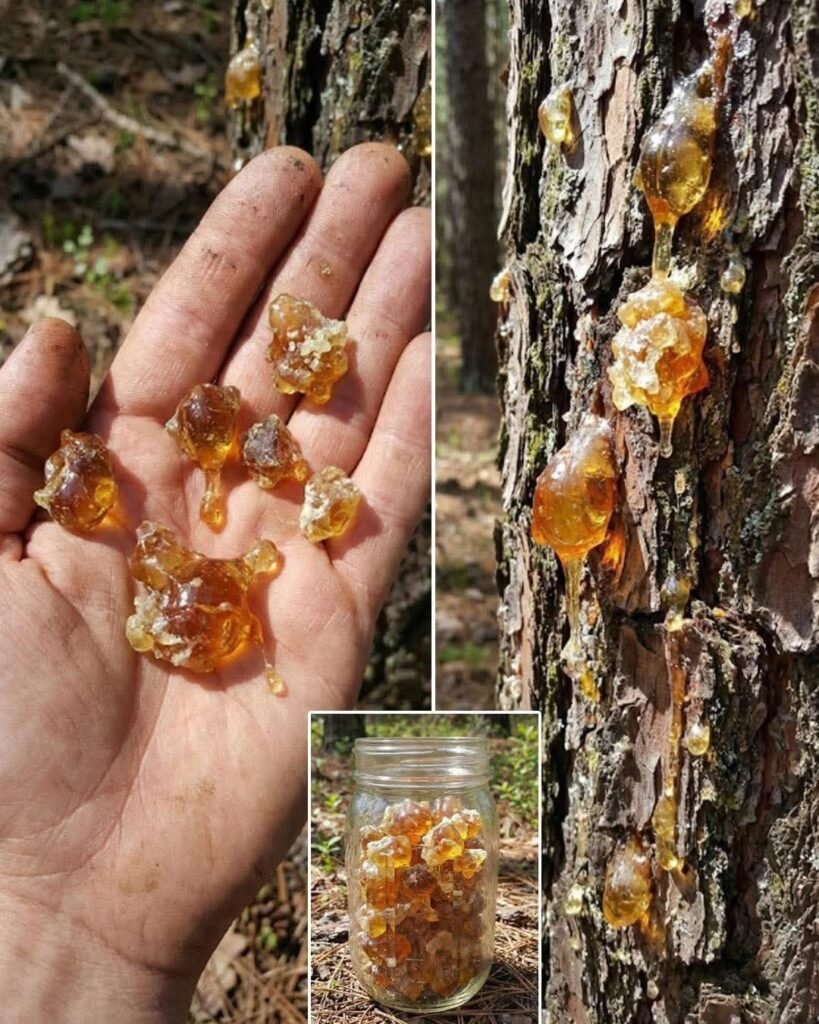
🌳 Natural Tree Resin: Nature’s Protective Gold and Its Traditional Uses
Natural tree resin is a thick, sticky substance that oozes from the bark when a tree is injured or under environmental stress. Often golden or amber in color, this translucent material hardens when exposed to air and acts as the tree’s natural defense system — sealing wounds, preventing infection, and repelling pests.
For thousands of years, humans have valued tree resins for their medicinal, cosmetic, aromatic, and practical applications. From pine resin and cherry gum to acacia gum, mastic, and frankincense, different species produce resins with unique properties and traditional uses.
🌿 What Is Tree Resin and Why Do Trees Produce It?
Tree resin is a protective secretion released when bark is damaged. Its natural functions include:
Sealing cuts and injuries in the tree
Preventing fungal and bacterial infection
Repelling insects and pests
Protecting against environmental stress
Each tree species produces resin with distinct chemical compositions and uses — including pine resin, acacia gum (gum arabic), cherry gum, mastic resin, and frankincense.
⭐ Top Traditional Benefits and Uses of Natural Tree Resin
1️⃣ Natural Antimicrobial Properties
Many resins contain plant compounds that help inhibit the growth of bacteria and fungi. Traditionally, they have been used externally to:
Protect minor cuts and scrapes
Soothe skin irritations
Support basic wound care
Pine resin, in particular, has historically been applied as a natural topical antiseptic in traditional practices.
2️⃣ Anti-Inflammatory Effects
Certain resins have been used externally to help reduce minor inflammation and discomfort. Traditional applications include:
Soothing muscle soreness
Relieving minor joint discomfort

Calming irritated skin or insect bites
Some cultures prepared warmed resin poultices to ease localized swelling.
3️⃣ Traditional Respiratory Support
Aromatic resins such as pine, copal, and frankincense were historically burned as incense. Traditional uses included:
Helping clear airways
Relieving mild congestion
Purifying indoor environments
Their natural aromatic compounds were believed to have expectorant and refreshing effects.
4️⃣ Powerful Natural Adhesive
Resin hardens quickly and forms a strong bond, making it useful for:
Sealing containers
Repairing wooden tools
Waterproofing leather or fabrics
Traditional crafts such as arrows, baskets, and boats
Even today, resin remains an important base material for varnishes and natural glues.
5️⃣ Natural Chewing Gum Alternatives
Certain tree gums — such as mastic, acacia, and cherry gum — have been used historically as natural chewing gum. Traditional benefits include:
Freshening breath
Stimulating saliva production
Supporting oral hygiene
Mastic gum continues to be widely used for digestive and dental support.
6️⃣ Preservative and Thickening Agent
Edible resins like acacia gum (gum arabic) are commonly used in modern food production as:
Stabilizers in beverages
Emulsifiers in syrups
Ingredients in natural candies and desserts
They help improve texture and extend shelf life.
7️⃣ Aromatic and Spiritual Uses
Burning resin has been part of many cultural and spiritual traditions. People have used resin smoke for:
Meditation and relaxation
Spiritual rituals
Cleansing and purifying spaces
Resins like frankincense, pine, and copal produce a rich, grounding aroma believed to uplift mood and atmosphere.
🛠️ Common Practical Applications of Tree Resin
🌼 Herbal Balms and Salves
Mixed with oils or fats, resin has been used in natural skincare products for:
Cracked or dry skin
Minor wounds
Insect bites
Protective salves

🔥 Natural Fire Starter
Dried resin burns hot and long, making it useful for camping, survival kits, and outdoor cooking.
🪵 Crafting and Woodworking
Traditional uses include:
Waterproofing seams
Sealing wood
Natural glues and finishes
🌬️ Aromatherapy and Fragrance
Resin is burned or heated to produce natural scents that support relaxation and grounding.
🍬 Edible Uses (Species-Specific)
Only certain resins, such as acacia gum and mastic resin, are safe for consumption. Proper identification is essential before any edible use.
⚠️ Safety and Precautions
Never consume tree resin unless you are certain it comes from an edible species.
Some individuals may experience allergic reactions or skin sensitivity — always test a small area first.
Resin is highly flammable; use caution when burning.
Avoid ingesting wild plant materials without proper knowledge or expert guidance.
🌟 Final Thoughts
Natural tree resin is far more than a sticky substance on bark — it’s a remarkable natural resource with antimicrobial qualities, traditional healing uses, crafting applications, and aromatic significance.
From ancient remedies to modern industrial uses, tree resin continues to play an important role in natural living, craftsmanship, and cultural traditions around the world.
