
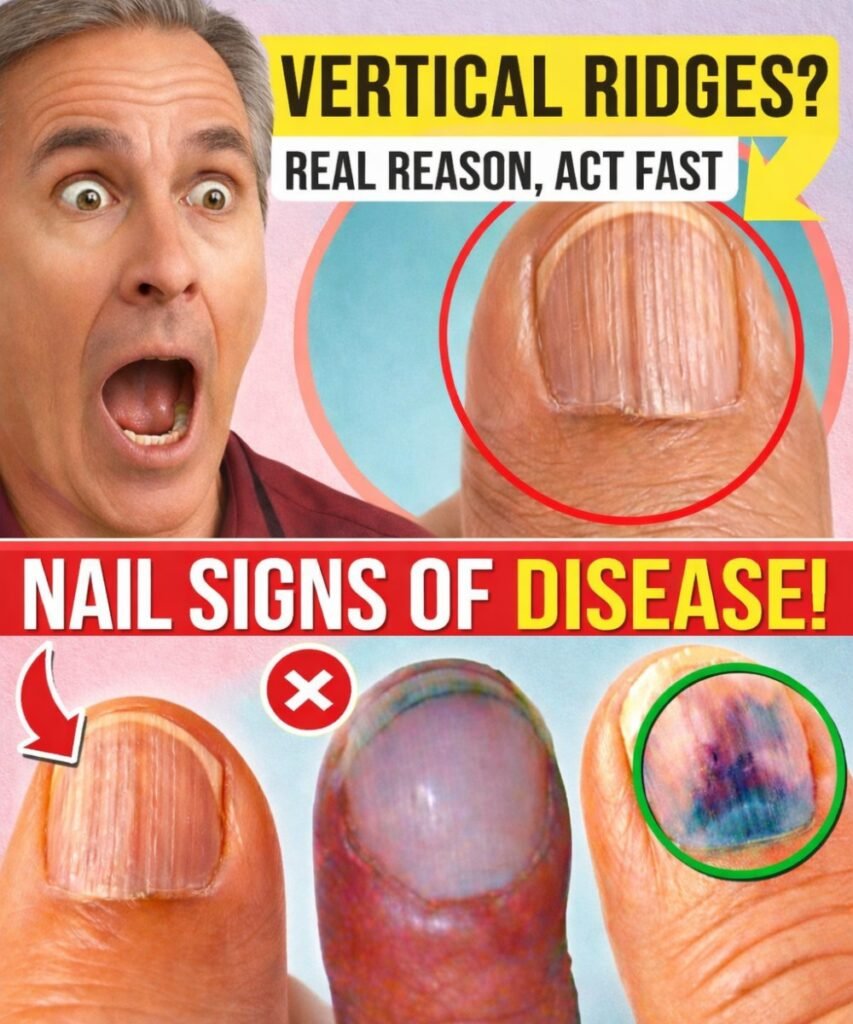
Imagine glancing down at your hands one morning and spotting those faint lines running across your nails that seem deeper than before. You might dismiss them as a sign of getting older or just dry skin, like so many people do. But those subtle ridges could be your body’s way of highlighting imbalances inside, often appearing long before other noticeable issues arise.
Your nails can reflect nutrient levels, circulation, and overall health in quiet but telling ways. Ready to understand the five common ridge patterns, what they might indicate, and practical steps many have used to support smoother nails? Let’s dive in.
Why Your Nails Reflect Your Inner Health (And Why They’re Often Overlooked)
Nails grow from the matrix under the cuticle, a sensitive area influenced by nutrition, blood flow, inflammation, and hormones. Disruptions here—like low nutrients or stress—can create visible lines, similar to growth rings in a tree.
Many doctors quickly attribute ridges to normal aging. Yet research shows nail changes can sometimes point to underlying issues. Studies from sources like the Cleveland Clinic and the American Academy of Family Physicians note these signs may link to deficiencies or conditions, though they’re not always diagnostic on their own.
You’ve likely buffed or covered them up before. But addressing potential root causes early can make a difference. Here’s what to look for.
Pattern 1: Vertical Ridges – Common Lines That Aren’t Always Just Aging
Vertical ridges run from cuticle to tip and become more noticeable with age as nails naturally thin. They’re common in older adults due to slower cell turnover.
But deeper or pronounced ones might relate to:
- Iron deficiency (linked to spoon-shaped nails or ridges in some cases)
- B-vitamin shortages, like B12
- Thyroid imbalances
- Dehydration or reduced moisture
Quick self-check: Gently run your finger over the nail surface. Feel raised lines? Note if they’re mild or more prominent.
Many find that staying hydrated and eating nutrient-rich foods helps maintain nail smoothness over time.

Pattern 2: Horizontal Ridges (Beau’s Lines) – Grooves Indicating a Temporary Pause in Growth
These deeper indentations run across the nail and often mean growth slowed or stopped briefly, usually from:
- Illness with high fever or infection
- Major stress or trauma
- Uncontrolled blood sugar issues
- Malnutrition or low zinc
Beau’s lines typically appear weeks to months after the event, according to reviews from Cleveland Clinic. The groove’s depth can reflect the intensity.
If new ones keep forming, it’s worth discussing with a doctor to explore ongoing factors.
Pattern 3: Nail Pitting – Small Dents Often Tied to Inflammation
Pitting looks like tiny depressions or an uneven texture on the nail surface. It’s frequently seen in:
- Psoriasis (affecting a significant portion of cases)
- Alopecia areata
- Other inflammatory conditions
These pits form when the nail matrix experiences disruption. Research in dermatology journals notes pitting as one of the earliest visible signs in some autoimmune processes.
But here’s the interesting part: Many people notice improvement in texture when underlying inflammation is managed.
Pattern 4: Spoon-Shaped Nails (Koilonychia) – Concave Curves Linked to Key Nutrients
These nails curve upward at the edges, creating a dipped center. The most common association is:
- Iron deficiency (often seen in chronic low levels)
- Sometimes protein or other nutrient shortages
Sources like Mayo Clinic and Healthline highlight koilonychia as a classic sign prompting checks for anemia.
Supporting iron intake through diet can help nails gradually regain shape as new growth emerges.
Pattern 5: Terry’s Nails – Mostly White With Pink Tips, Pointing to Organ Stress
This pattern shows nails appearing white overall, with a narrow pink band at the tips. It’s associated with:

- Advanced liver conditions (seen in many cirrhosis cases)
- Chronic kidney issues
- Heart failure or low protein levels
The change relates to altered blood flow and protein balance, per studies.
If accompanied by fatigue or swelling, prompt medical evaluation is key.
Quick Nail Health Self-Assessment
Take a moment to reflect:
- Which pattern best matches your nails?
- How noticeable are any changes on a scale of 1-10?
- Do you have other signs like tiredness or hair thinning?
Higher scores might motivate closer attention.
Nutrient-Rich Foods That Support Stronger Nails
Certain foods provide building blocks for healthy growth:
| Nutrient Focus | Food Examples | Potential Benefit Timeline |
|---|---|---|
| Iron | Spinach, lentils, red meat | 4–12 weeks |
| B Vitamins (including B12 & Biotin) | Eggs, salmon, nuts, avocados | 6–12 weeks |
| Zinc | Pumpkin seeds, chickpeas, oysters | Ongoing |
| Overall Support | Colorful veggies, healthy fats | Consistent |
Many report smoother new growth after incorporating these regularly.
Your Simple 30-Day Plan to Support Nail Health
Start small for noticeable changes:
- Week 1: Take close-up photos of your nails as a baseline. Track any depth in ridges.
- Week 2: Focus on balanced meals with the foods above. Stay hydrated.
- Week 3: Note energy or other improvements alongside nail observations.
- Week 4: Re-photo and consider a check-up if changes persist.
Consistency matters—nails grow slowly, so patience pays off.
When to Seek Professional Advice Promptly
See a doctor soon if you notice:
- Sudden deep horizontal grooves
- Pitting with joint discomfort or hair loss
- Spoon-shaped nails plus ongoing fatigue
- Mostly white nails with swelling or skin changes
These could warrant quicker checks.
The Value of Paying Attention Early
Ignoring subtle signs might let imbalances linger. Listening and acting—through diet, lifestyle, or medical guidance—often leads to better outcomes and regained vitality.
Your nails are reliable indicators worth noticing. Take a fresh look tonight, snap a photo, and start supporting them tomorrow.
Frequently Asked Questions
1. Are vertical ridges always a cause for concern?
No, mild ones are common with aging. Deeper or sudden changes deserve a closer look.
2. Can diet alone fix nail ridges?
It can help support healthier growth, especially for nutrient-related ones, but consult a professional for personalized advice.
3. How long until I see improvements in my nails?
New growth takes 3–6 months for fingernails, so changes appear gradually from the base.
Disclaimer: This article is for informational purposes only and is not medical advice. Nail changes can have many causes, including benign ones. Always consult a healthcare professional for proper evaluation, diagnosis, and guidance, especially if changes are sudden or accompanied by other symptoms.
