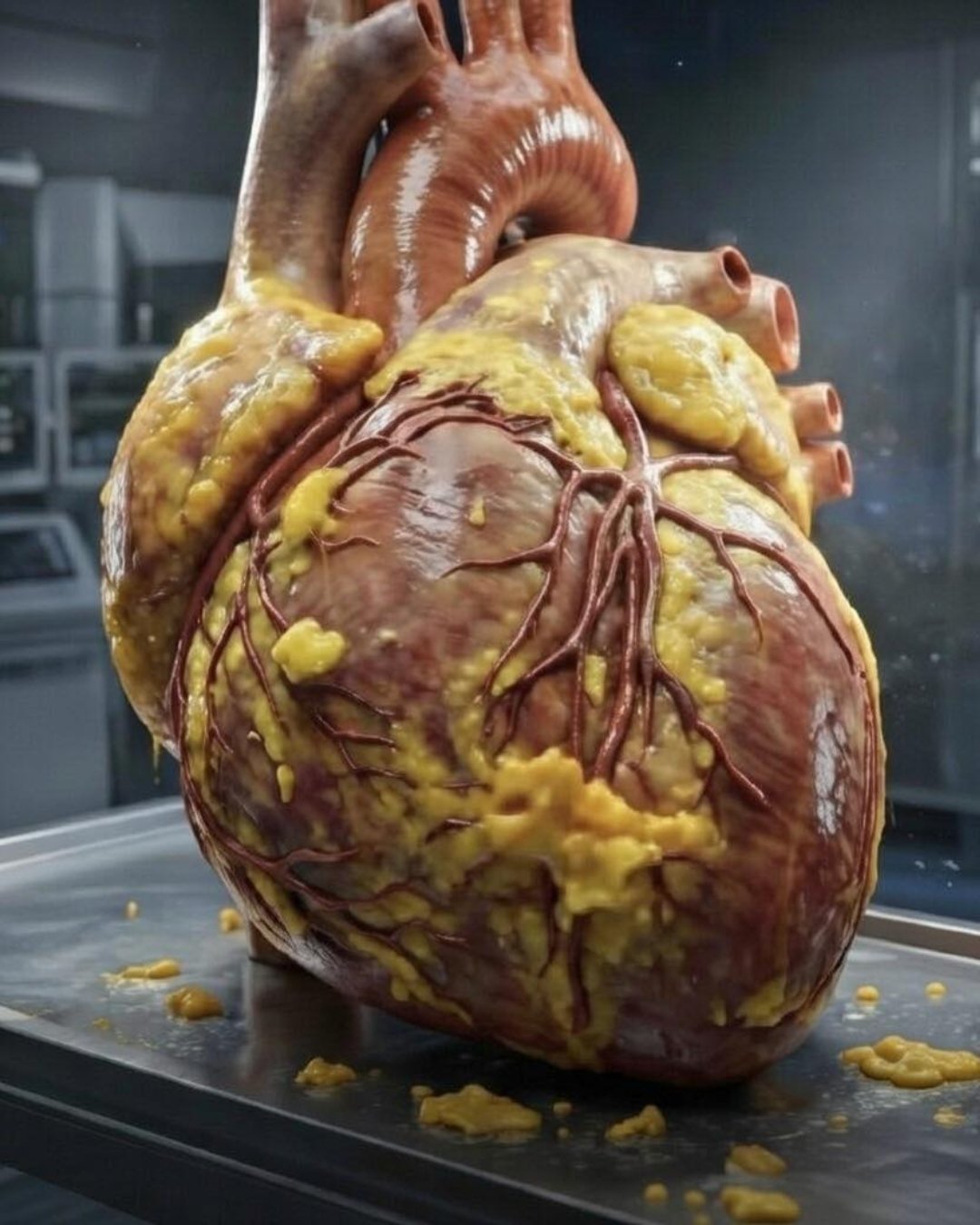
Many People Have Died of Heart Attacks — But What Really Happens When Your Heart Is Under Attack?
Heart attacks are one of the leading causes of death worldwide. You’ve probably heard the phrase “many people have died of heart attacks,” but what does that actually mean? What happens inside the body when a heart attack occurs, and more importantly, how can you recognize the warning signs and protect yourself?
Understanding how heart attacks work isn’t just for doctors. It’s useful knowledge for anyone who wants to take better care of their health and possibly save a life — including their own.
What Is a Heart Attack?
A heart attack, also called a myocardial infarction, happens when blood flow to part of the heart muscle is suddenly blocked. The heart is a muscle that needs a constant supply of oxygen-rich blood to work properly. When that supply is cut off, even for a short time, the affected part of the heart starts to suffer damage.
In most cases, the blockage is caused by a buildup of fatty deposits (called plaque) inside the coronary arteries. Over time, these arteries can become narrow. If a plaque breaks open, a blood clot can form around it and completely block the blood flow. That’s when a heart attack happens.
The longer the blockage lasts, the more damage occurs. This is why heart attacks are medical emergencies and need fast treatment.
What Happens in the Body During a Heart Attack?
When blood can’t reach part of the heart muscle:
The heart muscle doesn’t get enough oxygen.
The affected area becomes weaker and can’t contract properly.
The heart’s pumping ability may drop.
If the blockage isn’t removed quickly, permanent damage can occur.
This can lead to serious complications, such as heart rhythm problems or long-term heart weakness. In severe cases, the heart may not be able to keep up with the body’s needs.
The good news is that modern medicine can often restore blood flow if treatment starts in time. That’s why recognizing symptoms early is so important.

Common Warning Signs of a Heart Attack
Heart attack symptoms don’t always look the same in everyone, but some warning signs are very common. These include:
Chest discomfort or pain: Often described as pressure, tightness, squeezing, or heaviness in the center or left side of the chest.
Pain spreading to other areas: The discomfort may move to the arms, shoulders, neck, jaw, or back.
Shortness of breath: This can happen with or without chest pain.
Cold sweat, nausea, or dizziness: Some people feel suddenly weak, lightheaded, or sick to their stomach.
Unusual fatigue: Extreme tiredness without a clear reason can sometimes appear before or during a heart attack.
Not everyone has the same symptoms, and some people may have milder or less obvious signs. That’s why it’s important to take any sudden, unusual chest discomfort or breathing trouble seriously.
Who Is at Higher Risk?
Several factors can increase the risk of having a heart attack. Some you can’t change, but many you can.
Common risk factors include:
Smoking or using tobacco products
High blood pressure
High cholesterol

Diabetes
Being overweight or physically inactive
Unhealthy diet (high in salt, sugar, and unhealthy fats)
Long-term stress
Family history of heart disease

The more risk factors someone has, the higher their chance of developing heart problems over time.
How to Protect Your Heart
While no one can reduce their risk to zero, there are many powerful ways to protect your heart and lower your chances of a heart attack.
1. Eat a Heart-Healthy Diet
Focus on foods that support your cardiovascular system, such as:
Fruits and vegetables
Whole grains
Lean proteins (fish, chicken, beans)
Healthy fats (like olive oil and nuts)
Try to limit processed foods, sugary drinks, and foods high in salt and unhealthy fats.
2. Stay Physically Active
Regular movement helps keep your heart strong and your blood vessels healthy. Even simple activities like walking, cycling, or light sports can make a big difference if done consistently.
3. Avoid Smoking
Smoking is one of the strongest risk factors for heart disease. Quitting smoking can significantly improve your heart health, even if you’ve smoked for many years.
4. Manage Stress
Long-term stress can affect your blood pressure, sleep, and habits like eating and exercise. Finding healthy ways to relax — such as deep breathing, hobbies, or talking with someone you trust — helps protect your heart.
5. Get Regular Checkups
Checking your blood pressure, cholesterol, and blood sugar can help catch problems early. Many heart-related issues develop silently over time, so regular health checks matter.
What to Do If You Suspect a Heart Attack
If you or someone near you shows signs of a heart attack, it’s critical to get medical help immediately. Quick action can save heart muscle and lives.
Do not ignore symptoms or “wait it out.” The earlier treatment starts, the better the chances of recovery.
The Bottom Line
Many people have lost their lives to heart attacks, but many others survive because they recognize the warning signs and take action in time. A heart attack is a serious medical emergency, but it’s also often preventable.
By understanding what causes heart attacks, knowing the warning signs, and taking care of your heart through healthy daily habits, you can greatly reduce your risk. Your heart works for you every second of your life — taking care of it is one of the smartest investments you can make.