
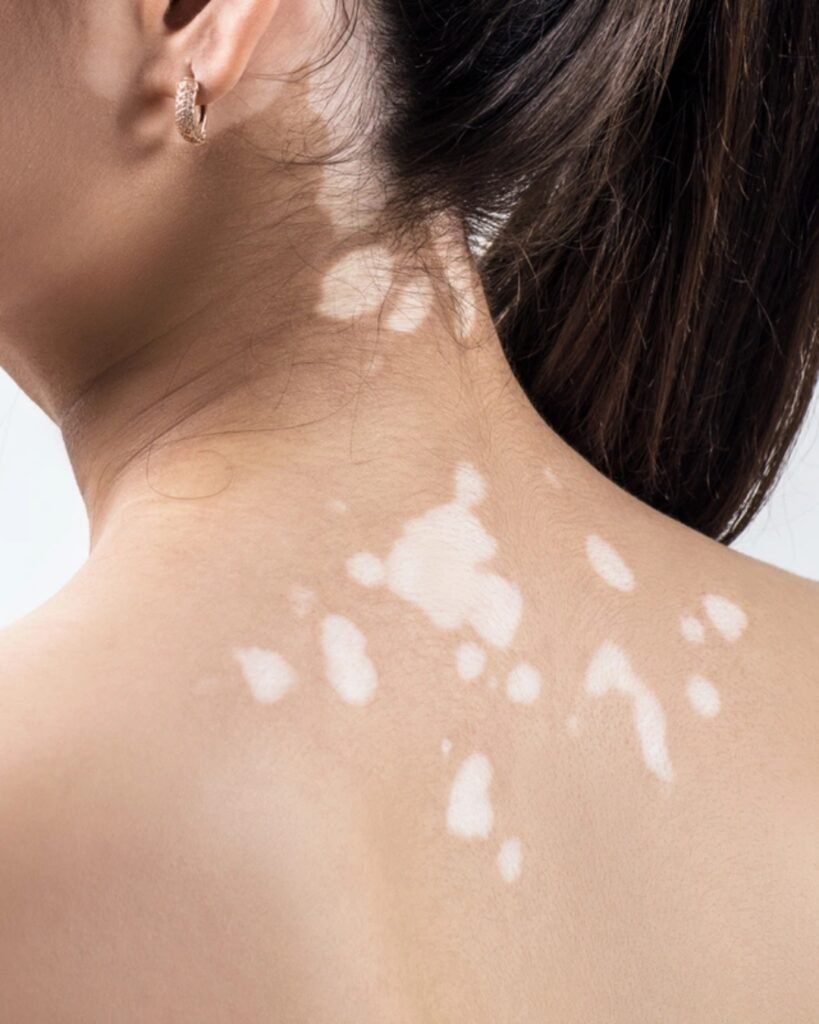
Many People Call This Eczema — But It’s NOT (And That’s Why It Keeps Coming Back)
If you’ve been treating recurring light or dark patches on your skin as eczema and seeing little to no improvement, you’re not alone. This is a very common — and costly — misunderstanding.
In many cases, what looks like eczema is actually Tinea Versicolor, a stubborn fungal skin infection. And because fungi require a completely different treatment approach, mislabeling it is exactly why the condition keeps returning.
Let’s clear the confusion once and for all and explain how to treat it properly.
What Is Tinea Versicolor?
Tinea Versicolor, also known as pityriasis versicolor, is a common fungal infection caused by Malassezia, a yeast that naturally lives on the skin.
Under certain conditions, this yeast grows out of control and interferes with normal skin pigmentation. The result? Discolored patches that don’t tan normally and often spread over time.
This condition is not dangerous, but it is persistent and can be frustrating if not treated correctly.
What Does Tinea Versicolor Look Like?
Tinea Versicolor doesn’t look the same on everyone, which is another reason it’s frequently mistaken for eczema or other skin conditions.
Common visual signs include:
Small patches that are white, pink, red, or brown
Irregular or slightly scaly texture
Patches that merge into larger areas over time
These spots usually appear on the:
Chest
Upper back
Neck
Upper arms
Face (especially in children and teens)


One key giveaway: the affected areas don’t darken in the sun, making them more noticeable after sun exposure.
Who Is Most at Risk?
Tinea Versicolor thrives in specific environments and body conditions. You’re more likely to develop it if you:
Live in a warm, humid climate (for example, tropical regions like Nigeria)
Sweat excessively
Have oily skin
Have a weakened immune system
Are a teenager or young adult
Hormonal changes during adolescence increase oil production, which explains why this condition is especially common in younger people.
Symptoms to Watch Out For
Unlike eczema, Tinea Versicolor usually causes minimal inflammation, which can make it harder to recognize.
Typical symptoms include:
Discolored skin patches that may be:
Slightly itchy
Dry or scaly
Uneven skin tone that becomes more obvious after sun exposure
Mild flaking when the skin is scratched
Important note: Itching is usually mild or absent, unlike eczema, which often causes intense itchiness.
How Is Tinea Versicolor Diagnosed?
A healthcare professional can usually diagnose Tinea Versicolor quickly using one or more of the following methods:

Visual Examination
The pattern and color changes are often distinctive.Skin Scraping Test
A small sample is examined under a microscope to confirm fungal overgrowth.Wood’s Lamp Examination
Under ultraviolet light, affected areas may glow a yellow-green color, helping confirm the diagnosis.
How Is Tinea Versicolor Treated?
Because this condition is fungal, treatments meant for eczema (like steroid creams) will not work and may even worsen it.
Effective treatment includes antifungal medications, such as:
Antifungal creams or lotions
Antifungal shampoos used on the skin
Oral antifungal tablets (for more widespread or stubborn cases)
Treatment typically lasts at least two weeks, and sometimes longer depending on severity.
Important to Know
Even after successful treatment:
The fungus may be gone
Skin color can take weeks or months to normalize
This does not mean the treatment failed.
Why Does Tinea Versicolor Keep Coming Back?
Like many fungal infections, Tinea Versicolor has a high recurrence rate. This is because the yeast that causes it naturally lives on the skin and can regrow under the right conditions.
Stopping treatment too early or skipping preventive care almost guarantees recurrence.
What Should You Do?
To reduce the risk of relapse:
Treat for at least 2 full weeks, even if patches fade earlier
Follow your treatment plan exactly as prescribed
Combine treatment with long-term prevention strategies

Consistency is key.
How to Prevent Tinea Versicolor from Returning
Prevention focuses on limiting the conditions that allow the fungus to thrive.
Practical Prevention Tips
Maintain good personal hygiene
Shower promptly after sweating
Avoid excessive heat and humidity when possible
Wear loose-fitting, breathable clothing
Stick to your treatment plan — don’t stop early
Maintain a healthy body weight
Eat immune-boosting foods to support overall skin health
In some recurrent cases, doctors may recommend using antifungal shampoos periodically as maintenance therapy.
Final Thoughts
Tinea Versicolor is often mistaken for eczema — and that mistake is the reason so many people struggle with recurring skin discoloration for years.
The good news?
Once correctly identified and treated as a fungal infection, it becomes much easier to manage and prevent.
If your “eczema” keeps coming back despite treatment, it may be time to rethink the diagnosis — and finally give your skin the solution it actually needs.
