
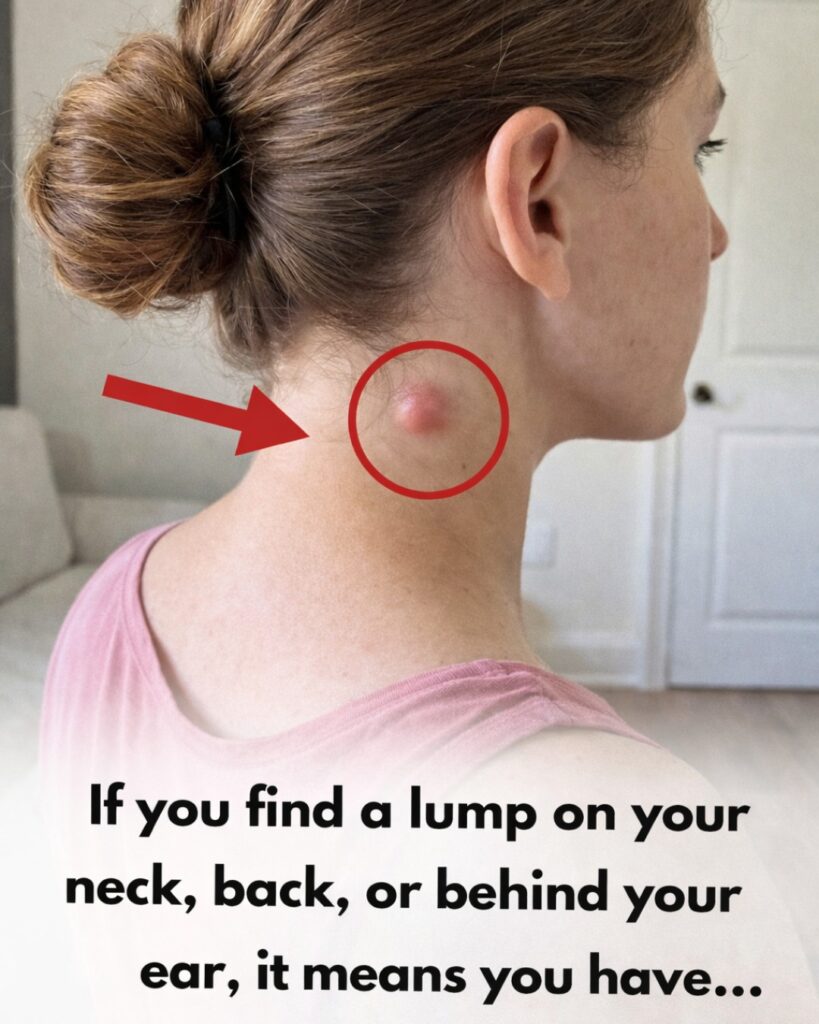
Discovering a lump or cyst under your skin can spark immediate worry and a flood of questions about what it means for your health. Many people feel anxious when they first notice these small nodules—whether on the neck, back, armpits, or behind the ears—wondering if it’s something minor or a sign of a bigger issue. The fear often builds because lumps can appear suddenly, and without clear information, it’s easy to imagine the worst. But here’s the reassuring truth: the vast majority of these lumps and cysts are benign (non-cancerous) and pose no serious threat.
Understanding the common types, their causes, and key warning signs empowers you to respond with calm confidence rather than panic. In this guide, we’ll break down everything you need to know in a straightforward way. And stay with me—toward the end, I’ll share practical daily steps that many find surprisingly helpful for monitoring and peace of mind.
Common Types of Lumps and Cysts
Most skin lumps fall into a few well-known categories, and research from sources like the Mayo Clinic and Cleveland Clinic shows that recognizing their features helps distinguish harmless ones from those needing attention.
- Epidermoid cysts (often called sebaceous cysts, though technically distinct): These round, firm bumps form when keratin—a protein in skin cells—builds up under the surface, usually from blocked hair follicles or minor trauma. They feel like small peas under the skin and are typically painless unless inflamed.
- Lipomas: Soft, rubbery, movable lumps made of fatty tissue. Studies indicate they grow slowly and are extremely common in adults aged 40-60. You can often slide them around under the skin with your fingers.
- Swollen lymph nodes: These tender, pea-sized nodes appear in areas like the neck, armpits, or groin during infections or inflammation. They usually shrink as the body fights off the issue.
- Other sebaceous-related cysts: Similar to epidermoid types, these arise in oil-producing glands and may become red or sore if irritated.
But that’s not all—some lumps feel unusually hard, irregular, or fixed in place. These warrant prompt evaluation to rule out rarer concerns.
Here’s a quick comparison to help you spot differences:

- Texture: Lipomas feel soft and doughy; cysts often firmer.
- Mobility: Lipomas move easily; many cysts stay more fixed.
- Pain level: Most are painless; pain often signals infection or inflammation.
- Growth speed: Slow for lipomas and cysts; rapid changes raise flags.

What Causes These Lumps to Form?
Lumps and cysts often stem from everyday skin processes gone slightly awry. Blocked glands, trapped skin cells, or fatty tissue overgrowth play key roles. For instance, epidermoid cysts commonly follow skin injuries or acne, while lipomas may have a genetic component—family history increases likelihood in some cases.
Swollen lymph nodes typically react to nearby infections, like a cold or skin irritation. Hormonal shifts, chronic friction (from clothing or activities), or even metabolic factors can contribute too. Research shows adults, particularly men in certain age groups, notice these more often, but anyone can develop them.
The good news? Knowing potential triggers helps you take preventive steps, like gentle skin care.

When Pain Enters the Picture
Painless lumps tend to cause less alarm, but discomfort changes things. If a cyst becomes infected or inflamed, you might notice warmth, redness, swelling, or pus-like discharge. This isn’t uncommon—many resolve with basic care—but monitor closely.
Key changes to watch:
- Sudden size increase
- Shift in color or texture
- Increasing tenderness or heat
- Foul-smelling fluid
The truth is, pain often signals the body asking for help, so don’t brush it off.
Warning Signs: When to See a Doctor
While most lumps stay harmless, certain red flags mean it’s time for professional input. Medical experts at places like Cleveland Clinic and WebMD emphasize these signs:
- Rapid growth over days or weeks
- Hard, irregular, or fixed (non-movable) texture
- Persistent or worsening pain
- Accompanied by fever, unexplained weight loss, or night sweats
- Discharge, bleeding, or skin changes over the lump
If any apply, consult a healthcare provider soon—they can examine, possibly ultrasound, and provide reassurance or next steps. Early checks often bring quick peace of mind.

Safe Home Care and Monitoring Tips
You can’t “cure” most lumps at home, but gentle habits support skin health and help spot issues early. Warm compresses may ease mild discomfort from inflamed cysts (apply 10-15 minutes, a few times daily). Keep the area clean with mild soap and moisturize to prevent irritation.
Actionable steps you can start today:
- Perform a gentle monthly self-exam in good lighting—feel for new or changing lumps.
- Track details: Note size (measure with a ruler), photos for comparison, and any symptoms in a journal.
- Avoid squeezing, popping, or picking—this risks infection and scarring.
- Wear loose clothing to reduce friction in prone areas.
- Maintain overall health: Balanced diet, hydration, and managing stress support skin resilience.
These simple routines often make a noticeable difference in staying proactive.
Factors That May Increase Your Risk
Certain elements make lumps more likely:
- Family history of similar growths
- History of acne or skin trauma
- Repeated friction or injury to an area
- Age-related changes (more common in adulthood)
- Rare genetic conditions (like Gardner syndrome for multiple cysts)
Awareness helps you stay vigilant without unnecessary worry.
Final Thoughts
Finding a lump or cyst can feel unsettling, but armed with knowledge, most people handle it calmly and effectively. The majority turn out benign, and paying attention to changes ensures anything needing care gets addressed early. Prioritize your well-being—regular monitoring and professional guidance when needed keep you in control.
