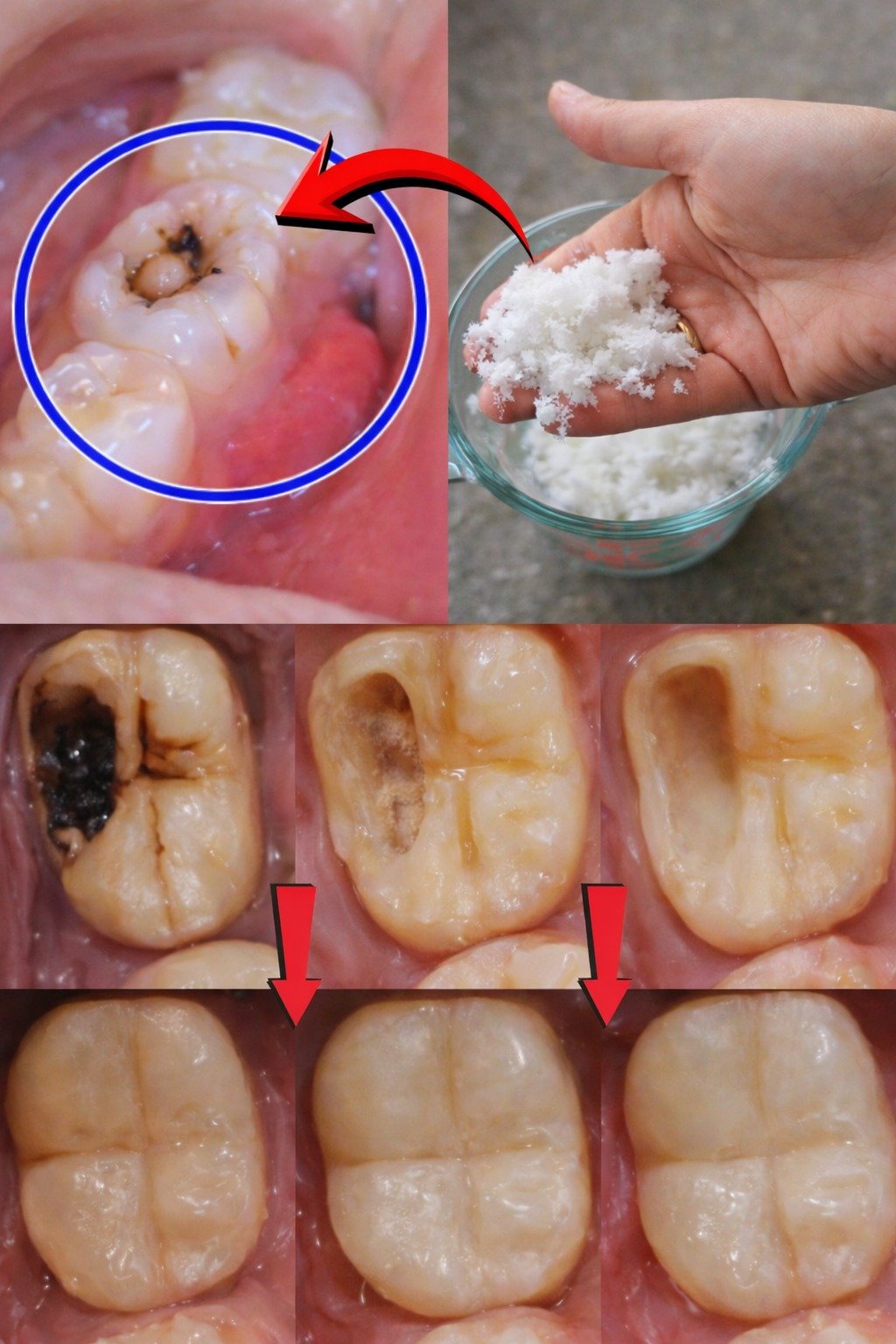
Early-stage cavities (also called white spot lesions or incipient caries) are areas where the enamel has begun to demineralize but hasn’t yet formed a full hole. At this point, the damage is reversible in many cases because enamel can remineralize naturally when the right conditions are created in the mouth.
The goal is to tip the balance from demineralization toward remineralization by:
- Supplying minerals (especially calcium and phosphate)
- Raising oral pH (making it less acidic)
- Reducing acid-producing bacteria
- Strengthening enamel with trace elements like fluoride (naturally occurring or low-dose)
Here are the most effective, evidence-informed natural habits and remedies that support early cavity repair — ranked by strength of clinical and laboratory support.
1. Remineralizing Toothpaste or Powder (Highest Impact)
Best options:
- Toothpaste with nano-hydroxyapatite (n-HA) or CPP-ACP (casein phosphopeptide-amorphous calcium phosphate, found in products like MI Paste or Recaldent)
- Hydroxyapatite is literally the mineral enamel is made of → directly fills microscopic defects and rebuilds surface layers.
- Evidence: Multiple clinical trials show n-HA toothpaste reverses early white spots as effectively as (or better than) fluoride in many cases, with no risk of fluorosis.
How to use
- Brush twice daily for 2 minutes with a pea-sized amount.
- Do not rinse after brushing — spit only (leaves active minerals on teeth longer).
2. Xylitol (The #1 Sugar Substitute for Cavity Prevention & Repair)
Why it’s powerful
Xylitol is a natural sugar alcohol that:

- Starves acid-producing bacteria (Streptococcus mutans) → they can’t ferment it.
- Raises oral pH → promotes remineralization.
- Increases saliva flow → natural buffer and mineral delivery.
Evidence
- Dozens of clinical trials show 5–10 g/day xylitol (gum, mints, or powder) reduces new cavity formation by 40–85% and helps reverse early lesions.
How to use
- Chew xylitol gum (100% xylitol, no sorbitol) for 5–10 minutes after meals — aim for 6–10 g/day total.
- Or dissolve 1–2 tsp xylitol powder in water as a rinse.
3. Oil Pulling with Coconut Oil (Supports Bacterial Balance)
Why it helps
Coconut oil contains lauric acid — converts to monolaurin, which has strong antibacterial activity against Streptococcus mutans.
Reduces plaque and bacterial load → less acid attack on enamel.
Evidence
- Several small clinical trials show oil pulling with coconut oil reduces plaque index and S. mutans counts comparably to chlorhexidine in some cases.
How to use
- 1 tbsp virgin coconut oil → swish gently for 10–15 minutes first thing in the morning → spit into trash (not sink).
- Rinse mouth with warm water.
4. Arginine-Rich Foods or Toothpaste (Boosts Remineralization)
Why it works
Arginine (an amino acid) + oral bacteria produce alkali → raises local pH → favors remineralization over demineralization.
Evidence

- Clinical trials show 1.5% arginine + fluoride toothpaste reverses early caries lesions more effectively than fluoride alone.
Natural sources
- Turkey, chicken, pumpkin seeds, soybeans, peanuts, dairy
- Or use arginine-containing toothpaste (e.g., Tom’s of Maine or Colgate Cavity Protection with arginine).
5. Vitamin D + K2 + Magnesium (Internal Support for Enamel Strength)
Why it matters
- Vitamin D → regulates calcium absorption and directs it to teeth/bones.
- Vitamin K2 (MK-7) → activates osteocalcin and matrix Gla protein → prevents calcium from depositing in soft tissues and directs it to enamel/bone.
- Magnesium → essential for converting vitamin D to active form and for enamel crystal formation.
Evidence
- Low vitamin D is linked to higher caries risk.
- K2 supplementation improves remineralization markers in some studies.
Practical target
- Vitamin D: 2,000–5,000 IU D3 daily → aim for blood level 40–60 ng/mL
- K2: 100–200 mcg MK-7 daily
- Magnesium: 300–400 mg glycinate at night
Quick Daily Routine to Support Early Cavity Repair
Morning
- Oil pull with coconut oil (10 min)
- Brush with hydroxyapatite or arginine toothpaste → spit, don’t rinse
Throughout day
- Chew xylitol gum after meals/snacks (5–10 g total xylitol/day)
- Sip water with lemon/lime (citrate boost)
Evening

- Brush again with remineralizing toothpaste
- Take vitamin D + K2 + magnesium
Most people notice
- Reduced sensitivity within 1–2 weeks
- Smoother, less rough spots in 3–6 weeks
- Arrested or reversed early white lesions in 2–6 months (confirmed by dentist)
Bottom Line
Early cavities are reversible in most cases with the right conditions: consistent mineral delivery, pH balance, bacterial control, and enamel protection. These 5 habits — remineralizing toothpaste, xylitol, oil pulling, arginine-rich foods, and bone-supporting vitamins — are among the most effective, safe, and dentist-recommended natural approaches.
Quick Start Tomorrow
- Buy hydroxyapatite toothpaste + xylitol gum + virgin coconut oil.
- Start oil pulling + xylitol chewing + remineralizing brushing routine.
- Take photos of suspicious spots today and again in 30 days.
Disclaimer
This article is for informational purposes only and is not dental or medical advice. Early cavity repair requires professional monitoring (dentist visits, X-rays). These methods support remineralization but do not replace fluoride toothpaste, professional cleanings, sealants, or fillings when needed. Persistent tooth pain, sensitivity, visible cavities, or dark spots require immediate dental evaluation. Personalized dental guidance is essential for safety and effectiveness. Daily fluoride toothpaste and regular dental check-ups remain the foundation of healthy teeth.