
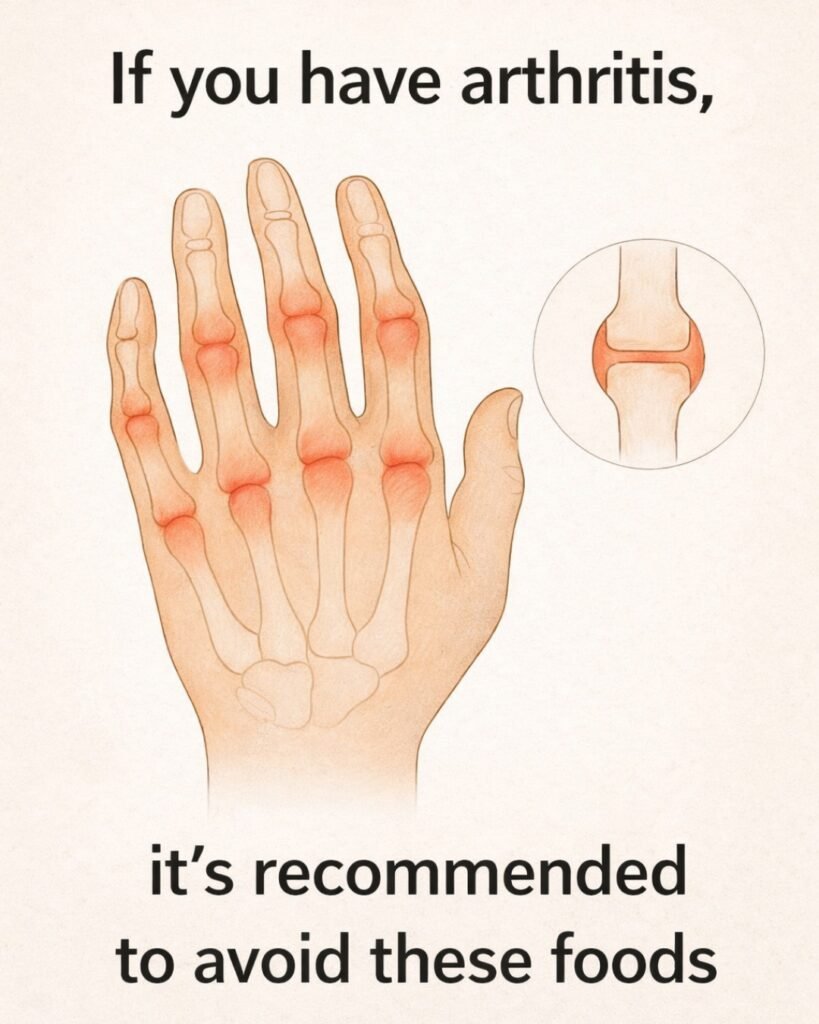
If You Suffer from Arthritis, Avoid These Foods to Reduce Pain and Inflammation
Arthritis has no definitive cure, but research consistently shows that what you eat can strongly influence how intense your symptoms become. The right diet can help reduce inflammation, ease joint pain, and improve daily mobility. On the other hand, certain foods can make swelling, stiffness, and discomfort much worse.
With a few smart adjustments to your eating habits, it’s possible to support your joints and feel more comfortable in everyday life.
What Is Arthritis and How Does It Affect the Body?
Arthritis is not a single disease, but a term that covers more than 100 different conditions affecting the joints. The most common types include:
Osteoarthritis, caused by the gradual wear and tear of cartilage
Rheumatoid arthritis, an autoimmune condition where the immune system attacks the joints
Psoriatic arthritis, associated with psoriasis
Gout, caused by a buildup of uric acid in the body
These conditions often lead to joint pain, swelling, morning stiffness, and reduced range of motion. Factors such as aging, excess body weight, family history, previous injuries, and poor diet can increase both the risk of developing arthritis and the severity of symptoms.



The Link Between Diet and Inflammation
Inflammation is a natural defense mechanism, but when it becomes chronic, it can damage tissues—especially the joints. Certain foods are known to trigger or worsen inflammatory processes, while others help calm them down.
A diet high in refined sugars, unhealthy fats, excess salt, and alcohol is strongly associated with more frequent and more intense inflammatory flare-ups. Over time, this can mean more pain, more stiffness, and less mobility.
That’s why choosing the right foods—and avoiding the wrong ones—plays a key role in managing arthritis symptoms.
Foods You Should Avoid If You Have Arthritis
1. Refined Sugars and Refined Carbohydrates
Foods like candy, cakes, cookies, pastries, and white bread cause rapid spikes in blood sugar. These spikes promote the release of inflammatory substances in the body, which can worsen joint pain and swelling.
High sugar intake is also linked to weight gain, and extra weight puts more stress on already sensitive joints—especially the knees, hips, and ankles.
2. Trans Fats and Refined Oils
Fried foods, fast food, margarine, and many ultra-processed snacks contain trans fats or highly refined vegetable oils. These fats are known to increase inflammation and negatively affect overall health.
They also contribute to weight gain and cardiovascular problems, both of which can complicate arthritis management and increase physical discomfort.
3. Red and Processed Meats
Red meats and processed meats (such as sausages, bacon, and deli meats) are high in saturated fat and often contain preservatives and additives. These substances can promote inflammatory responses in the body and may worsen joint pain and swelling in people with arthritis.
Some studies also suggest that certain compounds formed when meat is cooked at high temperatures can further increase inflammation.



4. Full-Fat Dairy and Aged Cheeses
For some people, full-fat dairy products and aged cheeses can increase joint stiffness and discomfort. While not everyone reacts the same way, dairy can be inflammatory for individuals who are sensitive to lactose or certain milk proteins.
If you notice your symptoms worsen after consuming these foods, it may be worth reducing or avoiding them and seeing how your body responds.
5. Alcohol and Sugary Drinks
Alcohol can interfere with the body’s normal metabolism, interact with medications commonly used for arthritis, and increase inflammation. In conditions like gout, alcohol is especially problematic because it can raise uric acid levels.
Sugary drinks, such as sodas and sweetened juices, have a similar effect due to their high sugar content, promoting inflammation and weight gain.
6. Ultra-Processed and High-Sodium Foods
Packaged snacks, instant meals, and many ready-to-eat products are loaded with sodium. Excess salt can lead to fluid retention, which may increase pressure in already sensitive joints and worsen discomfort.
These foods are also typically low in nutrients and high in unhealthy fats and additives, making them a poor choice for anyone trying to manage arthritis symptoms.
Foods That Can Help Relieve Arthritis Symptoms
While avoiding certain foods is important, adding anti-inflammatory foods to your diet is just as crucial.
Fruits and vegetables rich in antioxidants, such as strawberries, blueberries, broccoli, spinach, and kale, help protect joint tissues from damage.
Fatty fish like salmon, sardines, and tuna are excellent sources of omega-3 fatty acids, well known for their anti-inflammatory effects.
Whole grains, legumes, nuts, seeds, and olive oil support overall health and help maintain a balanced inflammatory response.
Natural spices such as turmeric, ginger, and garlic have been shown to help reduce inflammation and may ease joint pain over time.


Practical Strategies for Everyday Life
Planning your meals for the week makes it much easier to stick to healthy choices and avoid impulse eating. Simple swaps can make a big difference, such as:
Choosing baked or grilled foods instead of fried ones
Drinking water or unsweetened tea instead of soda
Prioritizing fresh, minimally processed foods
Portion control and weight management are also essential. Even small reductions in body weight can significantly decrease the pressure on your joints and improve mobility and comfort.
Conclusion
Adopting a balanced, anti-inflammatory diet is one of the most effective ways to help control arthritis symptoms. When combined with gentle physical activity, proper hydration, and stress management, the right nutrition can reduce pain, improve joint function, and help preserve long-term joint health.
While food alone won’t cure arthritis, it can make a real and noticeable difference in how you feel every day—and that’s a powerful step toward a better quality of life.
