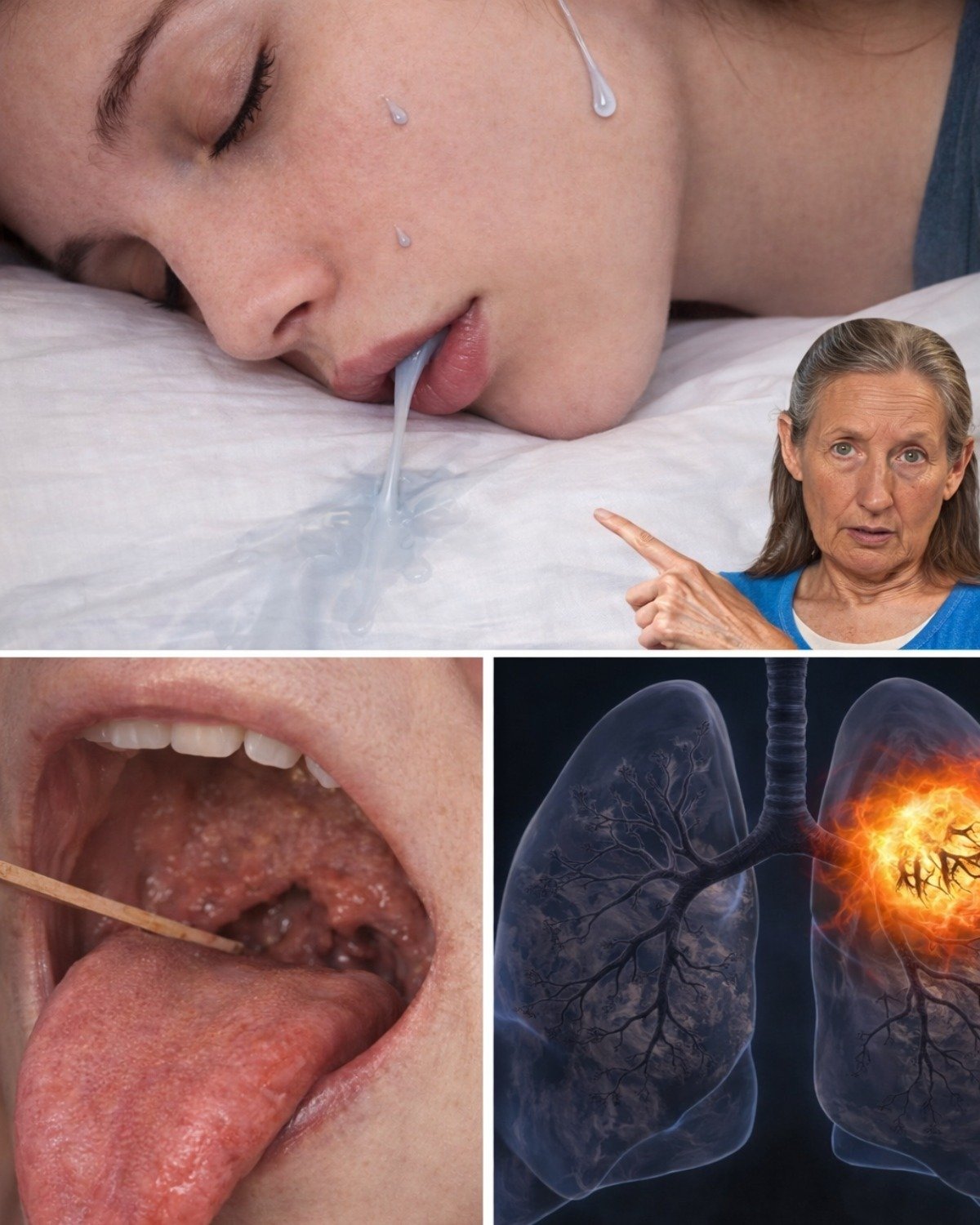
Waking up to a damp pillow isn’t just annoying—it’s a clue your body might be signaling something deeper. That familiar wet spot could stem from simple habits, but for many adults, persistent nighttime drooling points to underlying issues affecting breathing, swallowing, or saliva control. You’ve probably dismissed it as “just how I sleep,” yet research shows excessive drooling (medically called sialorrhea) often ties to treatable conditions that quietly impact energy, mood, and long-term health.
Millions experience this nightly ritual, yet few connect the dots. What starts as mild embarrassment can reveal hidden patterns in your sleep or digestion. Curious if your drooling is more than innocent? Let’s explore the most common medical links, countdown-style, starting with everyday culprits and building to more serious ones. Understanding these could spark real change—keep reading to see which might fit your experience.
Why Drooling Happens More at Night
During sleep, facial muscles relax deeply, swallowing slows, and gravity takes over. If your mouth opens slightly—often from nasal blockage or poor positioning—saliva escapes easily. Studies highlight that mouth breathing amplifies this, turning normal saliva flow into noticeable drool.
But when it becomes excessive or new, it may signal irritation, obstruction, or impaired control. Ever wonder why some nights are worse? The answer often lies in these hidden triggers.
The Top 8 Conditions Linked to Nighttime Drooling
Here’s a countdown of eight conditions frequently associated with drooling during sleep. Each draws from clinical observations and research—some are common and manageable, others warrant prompt attention.
8. Nasal Congestion from Allergies or Sinus Issues Seasonal allergies or a lingering sinus infection inflame nasal passages, forcing mouth breathing. This opens the door for saliva to leak out. Many report wet pillows during allergy seasons, with relief after clearing congestion. Simple fixes like saline rinses often help. But if congestion persists, it might point to bigger patterns—next up is a digestive twist.

7. Gastroesophageal Reflux Disease (GERD) Stomach acid creeping up irritates the throat, prompting extra saliva to neutralize it. Lying flat worsens this, leading to drooling as the body protects itself. People often notice heartburn or sour taste alongside. Lifestyle tweaks like elevating the head can ease symptoms. Yet, ignoring it risks more discomfort—what’s the sleep-disrupting condition ahead?
6. Upper Respiratory Infections (Colds, Strep Throat, Tonsillitis) Infections swell tissues, making swallowing painful and breathing nasal impossible. Excess saliva builds as the body fights inflammation. Temporary drooling usually fades with recovery, but recurring episodes deserve a look. Imagine clearer nights ahead—but the next one links directly to breathing pauses.
5. Teeth Grinding (Bruxism) Clenching or grinding overnight stimulates salivary glands for protection, while mouth opening increases leakage. Stress or jaw misalignment often fuels this. Many wake with jaw soreness and damp pillows. Custom night guards can quiet both grinding and drool. But hold on—the following condition affects millions silently.
4. Obstructive Sleep Apnea (OSA) Pauses in breathing force mouth opening, leading to snoring, gasping, and drooling. Research ties OSA to chronic mouth breathing and excess saliva escape. Daytime fatigue, loud snoring, or morning headaches often accompany it. CPAP therapy frequently reduces drooling dramatically. Feel tired despite “enough” sleep? This could explain it. Neurological links are next.
3. Medication Side Effects Certain drugs—like antipsychotics, sedatives, or those for neurological issues—boost saliva production or relax muscles excessively. If drooling started after a new prescription, this might be key. Doctors can adjust doses or suggest alternatives. Always check first. But the next two involve deeper muscle and nerve control.

2. Neurological Conditions (e.g., Parkinson’s Disease, Stroke Aftereffects) Impaired swallowing reflexes from conditions like Parkinson’s or post-stroke changes make saliva harder to manage. Drooling often worsens at night due to reduced automatic swallowing. Studies show this affects many with these diagnoses. Management includes therapies or targeted treatments. Ever notice swallowing feels off? This could connect. The final one often surprises people.
1. Other Neurological or Neuromuscular Disorders (e.g., Cerebral Palsy in Adults, ALS) These impact facial and throat muscle coordination, leading to persistent drooling even in sleep. While more common in diagnosed cases, subtle onset might first appear as nighttime wetness. Early awareness empowers better management. This top spot highlights why sudden or worsening drooling deserves professional eyes.
How These Conditions Often Overlap
Many overlap—like allergies worsening sleep apnea, or GERD amplifying sinus issues. A multi-factor chain can intensify drooling. Tracking patterns (when it started, other symptoms) helps pinpoint causes.
| Condition | Key Mechanism | Common Accompanying Signs | Potential Management Ideas |
|---|---|---|---|
| Allergies/Sinus Issues | Mouth breathing from blockage | Stuffy nose, sneezing, itchy eyes | Antihistamines, nasal irrigation |
| GERD | Acid irritation triggers extra saliva | Heartburn, sour taste, throat clearing | Elevate head, avoid late meals |
| Infections | Inflammation + painful swallowing | Sore throat, fever, congestion | Rest, hydration, medical treatment if needed |
| Bruxism | Jaw stimulation + open mouth | Jaw pain, headaches, worn teeth | Night guard, stress reduction |
| Sleep Apnea | Breathing pauses → mouth opening | Loud snoring, daytime fatigue, gasping | CPAP, weight management |
| Medication Side Effects | Increased saliva or muscle relaxation | Started after new drug, dry mouth otherwise | Consult prescriber for adjustments |
| Parkinson’s/Stroke | Reduced swallowing reflexes | Tremors, stiffness, speech changes | Therapy, medications |
| Other Neuromuscular | Muscle control loss | Weakness, coordination issues | Specialized neurological care |
Safe Steps to Consider Exploring
Simple adjustments might help while you investigate further. Try sleeping on your back with a supportive pillow to keep saliva in place. Address congestion with humidifiers or saline sprays. For suspected GERD, smaller evening meals and head elevation can make a difference.
| Step | How to Try It | Safety Notes |
|---|---|---|
| Position Change | Sleep on back, use body pillow | May take time to adjust; avoid if uncomfortable |
| Nasal Care | Saline rinse or humidifier nightly | Use distilled water; stop if irritation occurs |
| Hydration & Diet | Stay hydrated, avoid heavy late meals | Monitor for any digestive changes |
| Professional Evaluation | Track symptoms, see doctor if persistent | Essential for ruling out serious issues |
These are general suggestions—individual results vary widely.
Don’t Let a Wet Pillow Hold You Back
Overlooking persistent drooling means potentially missing chances to improve sleep quality, reduce embarrassment, and catch treatable conditions early. From better breathing to restored confidence, addressing the root cause can transform nights—and days.
Why not note your symptoms and discuss them with a healthcare provider soon? You deserve restful, dry mornings. Share this with someone who wakes up to the same surprise—they might thank you.

P.S. Fun fact: Deep sleep often increases relaxation (and drooling potential)—but when it’s excessive, it’s your body’s gentle nudge to check in.
This article is for informational purposes only and is not a substitute for professional medical advice—readers are encouraged to consult their healthcare provider for personalized guidance.