
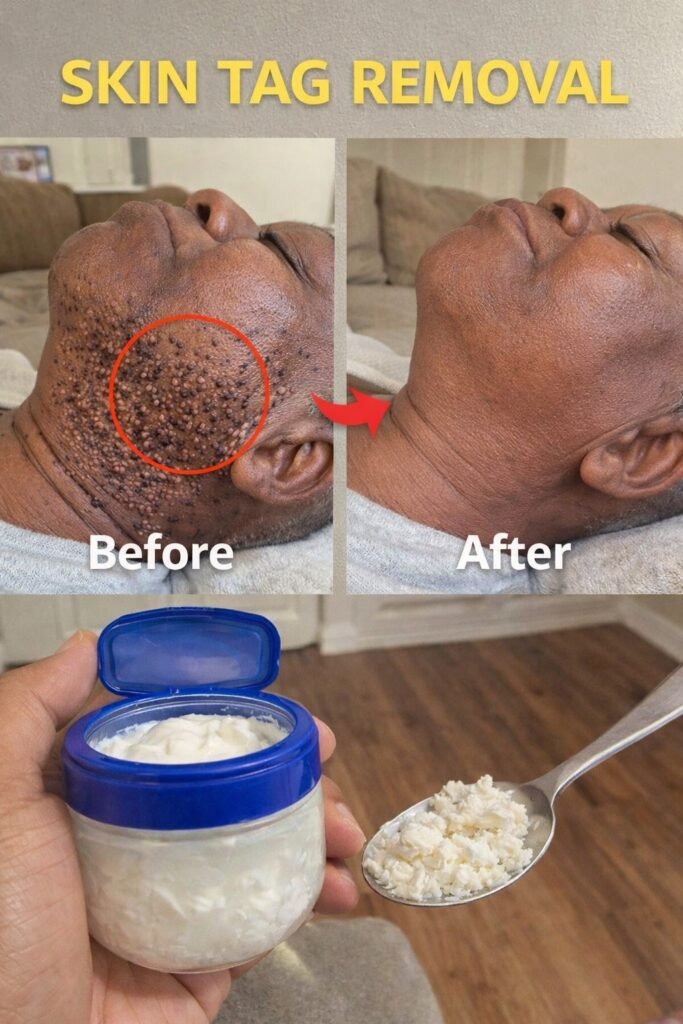
Dealing with annoying skin tags on your neck, armpits, or groin can feel incredibly frustrating as these small, fleshy growths snag on clothing or jewelry and make you self-conscious in everyday situations. The irritation builds quickly when they multiply over time due to age, weight changes, or friction, leaving many people desperate for a fast, inexpensive fix they can try right from their bathroom cabinet without a doctor visit. That’s exactly why the viral Vaseline skin tag removal trend has exploded online with dramatic before-and-after photos promising overnight results. But here’s the surprising part: while it sounds like an easy natural solution, the real story involves safer, evidence-based options that actually deliver lasting peace of mind—and we’ll reveal exactly what works (and what doesn’t) before you finish reading.
What Exactly Are Skin Tags and Why Do They Appear?
Skin tags, also known medically as acrochordons, are benign overgrowths of skin cells that feel soft and fleshy, often attached by a thin stalk. They commonly show up in warm, moist areas where skin rubs together, such as the neck, underarms, eyelids, or groin. Factors like aging, excess weight, genetics, pregnancy, or conditions such as diabetes can increase your chances of developing them.
The good news is they are completely harmless and non-cancerous. Most cause no pain unless they become irritated by clothing or jewelry. Still, many people seek removal purely for cosmetic reasons or everyday comfort. But here’s what most online claims miss: true removal requires interrupting the tag’s blood supply or physically excising it—processes that simply don’t happen overnight from a common household product.
The Vaseline Skin Tag Removal Myth: What Those Viral Photos Hide
You’ve probably seen the eye-catching images: a cluster of skin tags circled in red on someone’s neck, followed by smooth, tag-free skin the next day, with a jar of Vaseline prominently featured. Proponents claim that applying thick petroleum jelly overnight “suffocates” the tag by cutting off its blood flow, causing it to dry up and fall off by morning.
But here’s the reality check dermatologists consistently share: Vaseline creates an occlusive barrier that locks in moisture rather than drying anything out. Experts from trusted sources like Medical News Today and leading dermatology associations explain that petroleum jelly actually helps protect and heal skin after professional removal—it prevents dryness, supports recovery, and reduces scarring risk. It contains no active ingredients capable of dissolving tissue, interrupting blood supply, or removing growths.
Those dramatic “after” photos? Changes often result from better lighting, different angles, photo editing, temporary swelling reduction, or even natural variation over time. Some skin tags do eventually fall off on their own after weeks or months, but not because of Vaseline. No scientific studies support this method for removal, and anecdotal stories online frequently overlook irritation, placebo effects, or coincidental timing.

Why “Overnight” Natural Skin Tag Removal Claims Raise Red Flags
Skin tags are living tissue with their own blood supply, so any genuine removal process—whether freezing, tying off, or cutting—takes days to weeks for the tag to detach safely. Claims promising instant overnight results usually rely on harsh irritation that inflames the area, sometimes causing the tag to darken or drop—but at the potential cost of burns, infection, or permanent scarring.
Dermatologists strongly caution against most DIY attempts. Misidentifying a growth (it could be a mole, wart, or something else) increases complication risks. The FDA has not approved most at-home remedies for proven safety or effectiveness. If a tag suddenly changes color, bleeds, grows rapidly, or becomes painful, consult a healthcare professional right away, as it may signal a different issue.
Safer Professional Options for Skin Tag Removal
When you want reliable results with minimal risk, professional removal stands out as the gold standard. Board-certified dermatologists can confirm the diagnosis first and choose the best method for your skin type and tag location. Here are the most common approaches:
- Cryotherapy: Liquid nitrogen freezes the tag, causing it to fall off within 1–2 weeks.
- Snip excision: A sterile tool quickly removes small tags at the base, often with immediate results.
- Electrosurgery or ligation: The base is burned or tied off to cut off blood flow safely.
These procedures are quick, low-risk when performed in a medical setting, and help minimize scarring. Many people notice smoother skin within days and enjoy long-term confidence.
Natural Home Approaches: What Shows Promise (and What Doesn’t)
While you wait for a professional appointment or manage very small, non-bothersome tags, gentle home care can make a difference. Keep the area clean and dry, avoid picking or twisting the tags, and consider friction-reducing powders in high-rub zones. But here’s the part that surprises most readers: even popular natural drying agents come with important caveats and none guarantee one-night results.
For those exploring cautious at-home options, common suggestions include diluted tea tree oil (which may gradually dry tissue over weeks) or carefully applied apple cider vinegar (an acidic approach that could irritate the area). Always perform a patch test on a small skin area first and stop immediately if redness, pain, or swelling appears. Over-the-counter freezing kits mimic professional cryotherapy but are less powerful and still require careful use.
To help you compare methods at a glance, here’s a clear overview based on dermatologist insights:

| Method | How It Works | Typical Timeframe | Evidence Level | Key Risks |
|---|---|---|---|---|
| Professional Cryotherapy | Freezes tag with liquid nitrogen | 1–2 weeks | Strong (medical standard) | Minor blistering, temporary pigment change |
| Snip Excision | Cuts off at base with sterile tools | Immediate | Strong | Slight bleeding (rare) |
| Diluted Tea Tree Oil | Potential drying through irritation | Several weeks | Anecdotal | Allergic reactions, skin irritation |
| Apple Cider Vinegar | Acidic effect to dry tissue | Variable | Anecdotal | Burns or scarring if over-applied |
| Vaseline Alone | Moisturizes and protects | No removal | None for removal | Ineffective for tags |
This comparison highlights why evidence-based professional care consistently outperforms viral home hacks.
Actionable Tips You Can Start Today for Smoother Skin
Ready to take safe next steps? Follow these simple, dermatologist-approved actions:
- Schedule a quick consultation with a board-certified dermatologist to confirm your skin tags and discuss personalized removal options.
- While waiting, gently cleanse the area daily with mild soap and water, then pat completely dry to reduce moisture that encourages new growth.
- Apply a thin layer of plain petroleum jelly around (not on) any treated area if you later choose an at-home kit—it protects surrounding healthy skin.
- Wear loose-fitting clothing to minimize friction and monitor your skin monthly for any changes in size, color, or number of tags.
- Maintain a healthy weight and manage conditions like diabetes through diet and exercise, as research links these factors to fewer new skin tags over time.
These small habits build confidence and prevent future frustration without risky shortcuts.
Building a Long-Term Strategy Against Skin Tags
Prevention matters just as much as removal. Focus on reducing skin friction with breathable fabrics and keeping high-risk areas dry. Studies show that addressing underlying factors like excess weight can slow new tag formation dramatically. And here’s the encouraging truth many people overlook: many skin tags naturally fade or detach over years with simple observation alone—no intervention required.
FAQ: Your Most Common Skin Tag Questions Answered
Can skin tags really disappear overnight with Vaseline?
No. Petroleum jelly moisturizes and protects skin but does not remove tags. Viral claims lack scientific support, and dermatologists confirm it works best for healing after professional treatment.
Are there any truly effective natural remedies for skin tags at home?
Some people try diluted essential oils or apple cider vinegar with anecdotal reports of gradual drying, but results vary widely and risks like irritation remain high. Professional methods deliver faster, safer outcomes.
When should I see a doctor about skin tags?
Visit a dermatologist if tags bleed easily, change rapidly, appear in sensitive areas like the face or genitals, or if you have many of them—especially with a history of diabetes or rapid weight gain.

Final Thoughts: Choose Evidence-Based Care for Clearer, Confident Skin
The appeal of an overnight Vaseline fix is understandable, yet the evidence shows it simply moisturizes without removing skin tags. Professional options like cryotherapy or excision provide quick, reliable results with minimal downtime, while cautious home care supports healthy skin in the meantime. By focusing on proven methods and prevention, you can enjoy smoother skin without unnecessary risks or disappointment.
You deserve solutions that actually work and bring lasting confidence. Talk to a dermatologist for personalized guidance tailored to your skin.
Disclaimer: This article is for informational purposes only and is not a substitute for professional medical advice. Always consult your healthcare provider for diagnosis and treatment recommendations specific to your health needs.
